
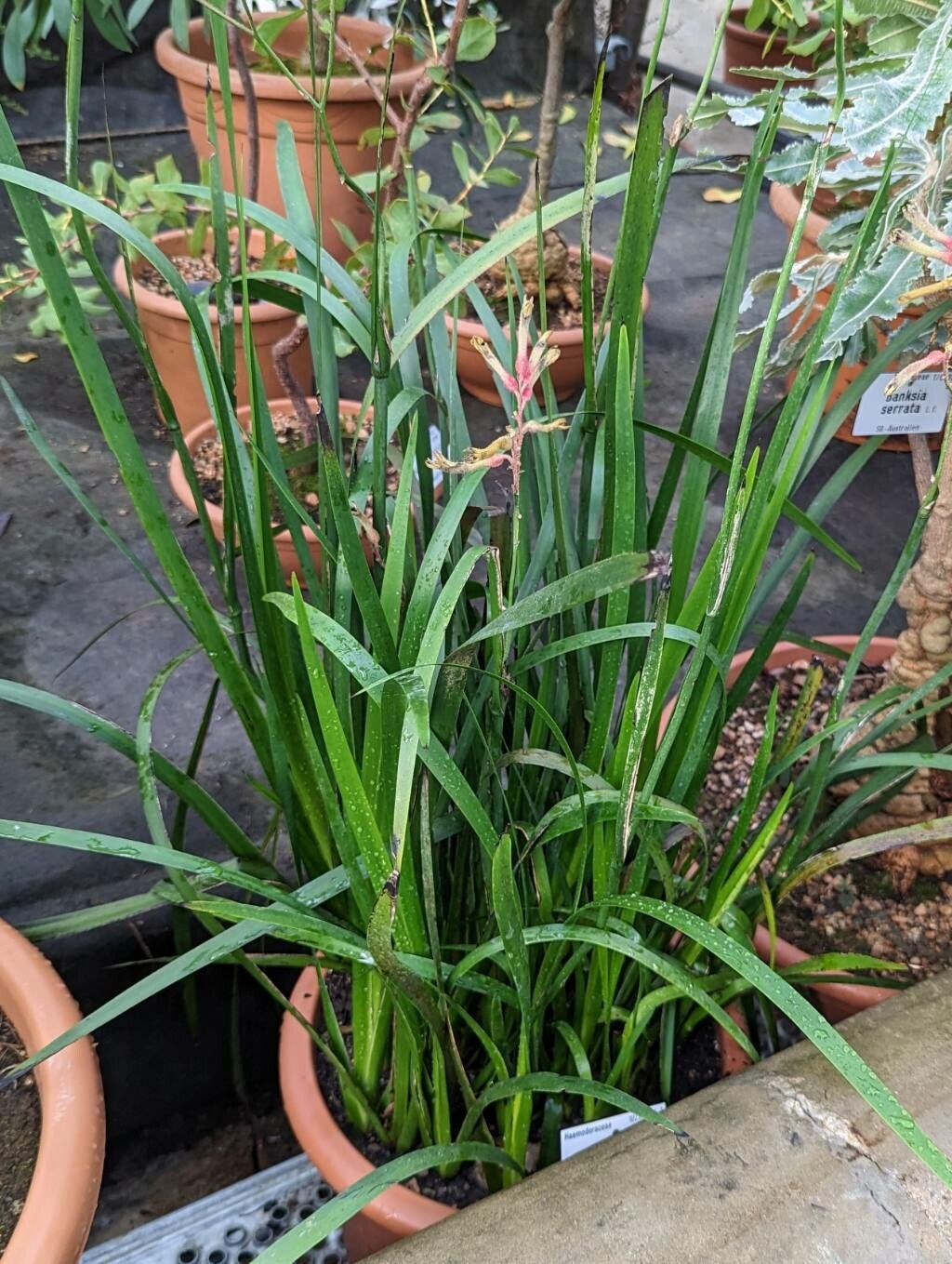
Unleashing the Fiery Beauty: Propagating Kangaroo Paws (Anigozanthos flavidus)
Kangaroo paws, with their fuzzy, vibrant flowers resembling, well, kangaroo paws, are a show-stopping addition to any garden. Native to Australia, Anigozanthos flavidus, also known as the tall kangaroo paw, brings a touch of exotic charm with its fiery red and green blooms. While admiring their beauty is easy, you might wonder, “Can I multiply this wonder?” The answer is a resounding yes! Propagating kangaroo paws is an achievable feat, even for budding gardeners.
There are two primary methods to propagate Anigozanthos flavidus:
1. Seed Propagation: A Dance with Patience
Propagating from seeds offers a rewarding experience, allowing you to witness the entire life cycle of this unique plant. Here’s how:
- Harvesting Seeds: After the flowers fade, seed pods will form. Collect these pods once they turn brown and dry. Crack them open to reveal tiny black seeds inside.
- Sowing the Seeds: Sow your kangaroo paw seeds in a well-draining seed-raising mix. Sprinkle them lightly on the surface and cover them with a thin layer of the mix. Water gently and keep the soil consistently moist.
- Warmth and Light: Kangaroo paw seeds love warmth for germination. Find a spot with bright, indirect light and a temperature around 70-75°F (21-24°C).
- Germination Patience: Be prepared to wait – germination can take anywhere from 2 weeks to several months. Don’t lose hope!
- Transplanting: Once the seedlings develop a few sets of true leaves, they are ready to be transplanted into individual pots or directly into your garden.
2. Division: Giving Your Kangaroo Paws Room to Grow
For a quicker and often more successful method, dividing established clumps of Anigozanthos flavidus is the way to go. This method is best done in early spring or fall:
- Digging Up: Carefully lift the entire clump from the ground using a garden fork, ensuring you get as much of the root system as possible.
- Dividing the Clump: Gently tease apart the plant into smaller sections, making sure each section has a good amount of roots and shoots attached.
- Replanting: Prepare your planting holes with well-draining soil. Place the divided sections at the same depth they were originally growing and water them thoroughly.
Caring for Your New Kangaroo Paws
Regardless of the propagation method, providing your new plants with the right care is crucial for their survival and success:
- Sunlight and Soil: Kangaroo paws thrive in full sun to partial shade and require well-drained soil. Amending the soil with compost or sand can improve drainage.
- Watering Wisely: While they tolerate some drought, consistent watering is key, especially during the first year. Aim for moist but not waterlogged soil.
- Fertilization: Feed your kangaroo paws with a balanced, slow-release fertilizer during the growing season (spring and summer) to promote healthy foliage and blooming.
Propagating your Anigozanthos flavidus is a rewarding process that allows you to share the beauty of this unique plant. Whether you choose the patience of seeds or the immediacy of division, you’ll soon have a garden abloom with the fiery charm of kangaroo paws.