
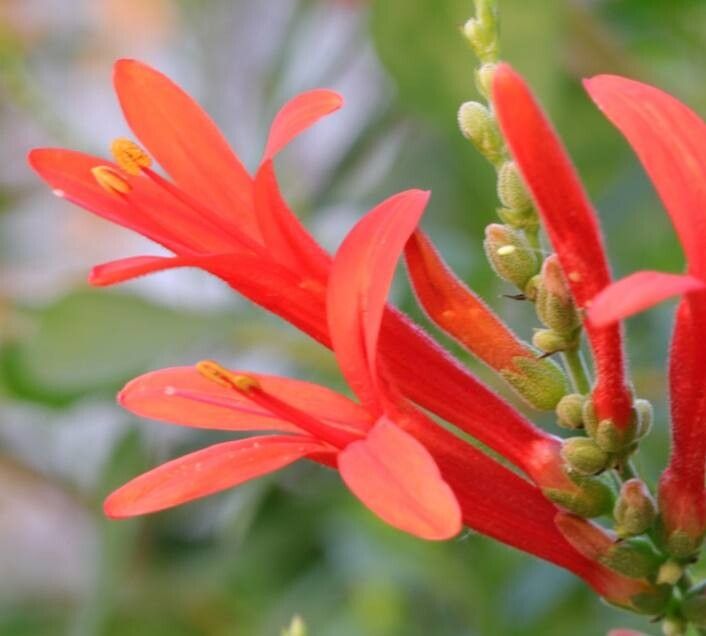
Propagating Firecracker Flower (Anisacanthus quadrifidus): A Gardener’s Guide
Introduction:
Anisacanthus quadrifidus, commonly known as firecracker plant, is a captivating shrub prized for its vibrant, tubular flowers that resemble bursts of fireworks. Native to the southwestern United States and Mexico, this drought-tolerant species boasts striking crimson, orange, or pink blooms, attracting hummingbirds and adding a dramatic flair to xeriscapes and desert gardens. Its popularity among gardeners stems from its relatively low maintenance needs and its ability to thrive in harsh conditions. However, propagation can present some unique challenges. This article explores various methods for propagating Anisacanthus quadrifidus, weighing their pros and cons.
Seed Germination:
Currently, there are no known reliable methods for seed germination propagation of Anisacanthus quadrifidus. While seeds may be produced, their germination rate is notoriously low, often resulting in poor success even under ideal conditions. Further research into specific seed pretreatment techniques might reveal potential avenues for future improvement, but currently, seed propagation is not a practical method for most gardeners.
Cuttings:
Cuttings offer a considerably more reliable method for propagating Anisacanthus quadrifidus.
Challenges: The success of cutting propagation depends on several factors, including the timing (best done in spring or early summer), the quality of the cutting material (semi-hardwood cuttings are ideal), and the use of rooting hormone. Overwatering can lead to rot, while underwatering hinders root development.
Practical Tips: Take 4-6 inch cuttings from healthy, non-flowering stems. Remove lower leaves to prevent rot. Dip the cut end in rooting hormone powder. Plant cuttings in a well-draining potting mix, keeping the soil consistently moist but not soggy. High humidity, achievable through propagation domes or regular misting, significantly improves success rates. Place cuttings in bright, indirect light.
Rewards: Cuttings provide a faster and more reliable method of propagation compared to other methods. They replicate the parent plant’s exact characteristics, ensuring consistency in flower color and plant form.
Division:
Division is a viable method, particularly for established plants.
Challenges: Division can be slightly disruptive to the parent plant, potentially causing temporary stress. It’s best performed during the dormant season or early spring, before new growth commences. Improper division can damage roots, significantly reducing the chances of successful establishment.
Practical Tips: Carefully dig up the mature plant. Use a sharp, clean spade or knife to divide the root ball into several sections, ensuring each division has healthy roots and stems. Replant the divisions immediately in well-prepared soil, ensuring adequate spacing for proper growth. Water thoroughly after planting.
Rewards: Division is relatively simple and provides a quick way to increase the number of plants. It avoids the need for specialized equipment or materials.
Tissue Culture:
Tissue culture propagation of Anisacanthus quadrifidus is possible but typically reserved for large-scale commercial nurseries due to the specialized equipment and expertise required.
Challenges: Establishing sterile conditions is crucial to prevent contamination. The process requires specialized equipment, media, and knowledge of plant tissue culture techniques. It can also be quite expensive.
Practical Tips: This method is not recommended for home gardeners. It’s best left to professionals with the necessary resources and training.
Rewards: Tissue culture allows for mass production of genetically identical plants, providing consistency and a high success rate. It also provides a means of preserving rare or endangered cultivars.
Conclusion:
Propagating Anisacanthus quadrifidus presents various challenges depending on the chosen method. While seed germination is unreliable, cuttings offer an accessible and viable option for home gardeners. Division provides an alternative for established plants, while tissue culture remains a specialist technique. The unique satisfaction of successfully cultivating this beautiful plant, despite the hurdles, is a rewarding experience. For beginners, starting with cuttings is the most recommended approach. Patience, careful attention to detail, and a little experimentation will significantly increase your chances of success. Remember to provide the proper environment – well-draining soil, bright, indirect light, and consistent moisture – and you’ll be handsomely rewarded with a flourishing display of fiery blooms.