
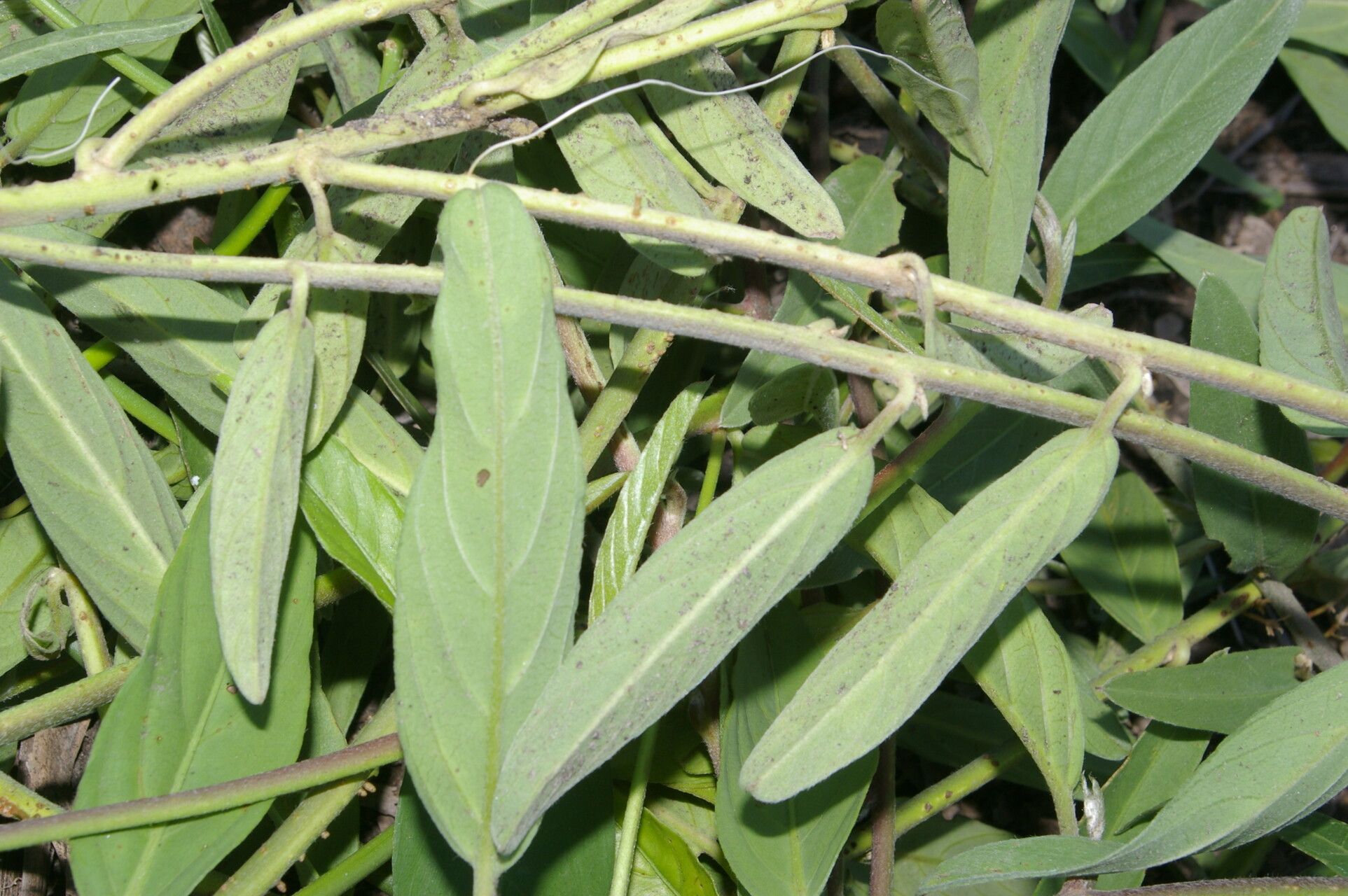
From Seed to Success: Propagating the Climbing Beauty, Aniseia martinicensis
Have you ever seen a plant with vibrant purple flowers that resemble tiny trumpets, cascading down a fence or wall? That’s likely Aniseia martinicensis, also known as the “Starflower,” a fast-growing, vining wonder that adds a splash of color to any garden. But how do you bring this beauty into your own space? The answer lies in propagation, and it’s easier than you might think!
Aniseia martinicensis can be propagated through two main methods: seeds and cuttings. Let’s explore each method in detail:
1. From Seed to Sprout:
- Collecting Seeds: Once your Aniseia martinicensis plant blooms, it will produce small, round seed pods that turn brown when mature. Collect these pods and let them dry completely. Once dried, gently shake the pods to release the tiny black seeds inside.
- Sowing the Seeds: Fill small seed trays or pots with a well-draining seed-starting mix. Sow the seeds thinly, spacing them about an inch apart. Gently press the seeds into the soil but avoid burying them too deep.
- Creating the Right Environment: Cover the seed trays with a clear plastic dome or wrap to create a humid environment. Keep the soil moist and place the trays in a warm, sunny location.
- Sprouting Time: Germination typically occurs within 1-2 weeks, depending on the temperature and humidity. Once the seedlings have a few true leaves, they can be transplanted into individual pots or a larger container.
2. The Cuttings Approach:
- Choosing the Right Cuttings: Take cuttings from healthy, non-flowering stems. Aim for pieces that are around 4-6 inches long with at least two sets of leaves.
- Prepping the Cuttings: Use a sharp knife or pruning shears to make a clean cut, about half an inch below a leaf node. Remove any lower leaves that will be submerged in the rooting medium.
- Rooting Hormone (Optional): Dip the cut end of each stem in rooting hormone to encourage root development.
- Planting the Cuttings: Fill small pots or trays with a well-draining, sterile rooting mix. Gently insert the cuttings into the rooting medium, making sure the nodes are covered.
- Creating a Humid Environment: Cover the pots with a transparent plastic bag or dome to maintain humidity. Place them in a warm, bright location, but avoid direct sunlight.
- Roots Emerge: Regularly check the moisture of the rooting mix and keep it slightly moist. After a few weeks, your cuttings should develop roots and can be transplanted into larger containers or the garden.
Tips for Success:
- Patience is Key: Propagation takes time. Don’t be discouraged if your seeds or cuttings don’t show results immediately.
- Maintain Moisture: Both seeds and cuttings need consistent moisture to germinate and root. Don’t let the soil completely dry out.
- Provide Adequate Light: While seedlings and cuttings prefer bright locations, avoid direct sunlight, which can quickly dehydrate them.
- Regular Inspection: Keep a close eye on your plants for signs of disease or pest infestations.
Enjoy Your Starflower: Whether you choose to propagate your Aniseia martinicensis from seeds or cuttings, the process is an enjoyable and rewarding experience that allows you to grow beautiful, colorful vines. By following these simple tips, you can easily create your own vibrant display of this captivating plant.