
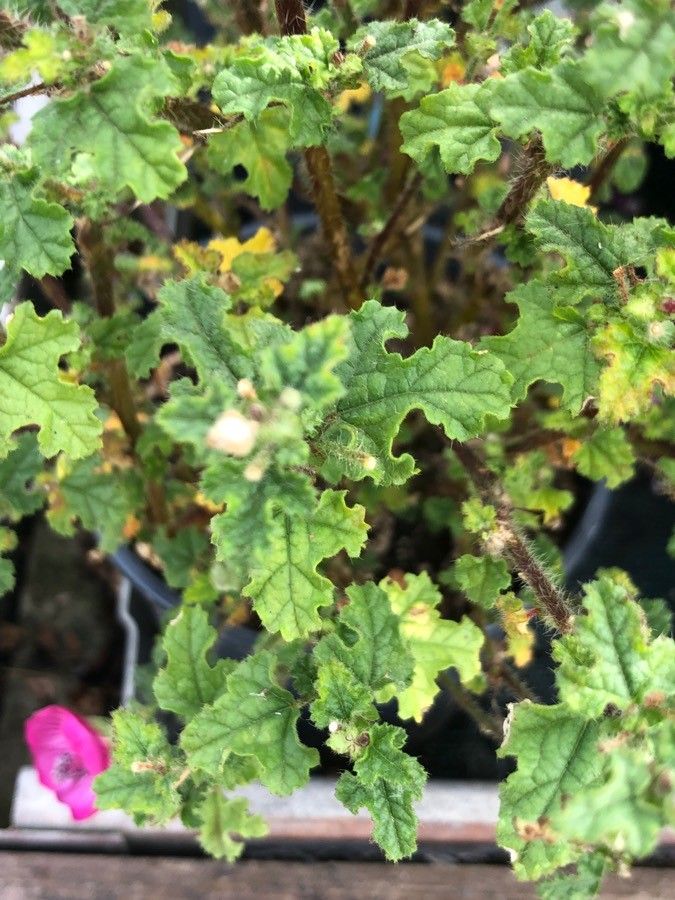
Multiply Your Mallows: The Simple Joys of Propagating Anisodontea Elegans
Anisodontea elegans, with its cheerful, hibiscus-like blooms and almost effortless care requirements, is a beloved addition to sunny gardens. Often referred to as the Cape Mallow, this South African native brings a touch of exotic beauty to any landscape. But did you know that multiplying your mallow magic is easier than you think? Let’s dive into the accessible world of Anisodontea elegans propagation and discover how you can create a flurry of these floral delights!
Two Paths to Propagation:
Anisodontea elegans readily propagates through two primary methods: seed sowing and taking cuttings. Each approach has its own nuances and benefits:
1. Seed Starting for Beginners:
- Timing is Key: Sow seeds in spring after the last frost has passed, providing ample warmth for germination.
- Sowing Simplicity: Scatter seeds on the surface of a well-draining seed-starting mix and lightly press them down. Ensure they receive ample light, and keep the soil consistently moist but not waterlogged.
- Patience is a Virtue: Germination can take anywhere from a few weeks to a couple of months. Once seedlings develop a few sets of true leaves, they are ready for transplanting into individual pots.
2. Cuttings for Clones:
- Summer Snipping: Take cuttings from healthy, actively growing stems in late spring or early summer. Aim for cuttings about 4-6 inches long, making a clean cut just below a leaf node.
- Hormonal Help: While not strictly necessary, dipping the cut end in rooting hormone powder can encourage faster and more successful rooting.
- Potting Up: Insert the cuttings into a pot filled with a well-draining potting mix. Keep the soil consistently moist and provide indirect sunlight.
- Rooting Revelation: In a few weeks, you should notice new growth, indicating successful rooting. Once the cuttings are established, you can plant them out into the garden.
Tips for Thriving Propagations:
- Well-Draining Delight: Anisodontea elegans thrives in well-draining soil, whether you’re sowing seeds or rooting cuttings. A soilless seed starting mix or a general-purpose potting mix amended with perlite or vermiculite works well.
- Light is Life: Place your seedlings or cuttings in a location with bright, indirect light. Avoid direct sunlight, which can scorch young plants.
- Hydration Station: Keep the soil consistently moist but not soggy. Water when the top inch of the soil feels dry to the touch.
- Pinching for Perfection: Once your Anisodontea elegans from either method establishes, pinching back the growing tips encourages bushier growth and more abundant blooms.
The Rewards of Propagation:
Beyond the sheer pride of cultivating your own plants, propagating Anisodontea elegans offers a cost-effective way to expand your garden, share its beauty with friends and family, and ensure a continuous supply of its delightful blooms. So, why not give it a try? You’ll find that spreading the joy of Anisodontea elegans is as easy as enjoying its captivating beauty.