
Propagating Anisomeles heyneana: A Gardener’s Guide to the Indian False Horehound
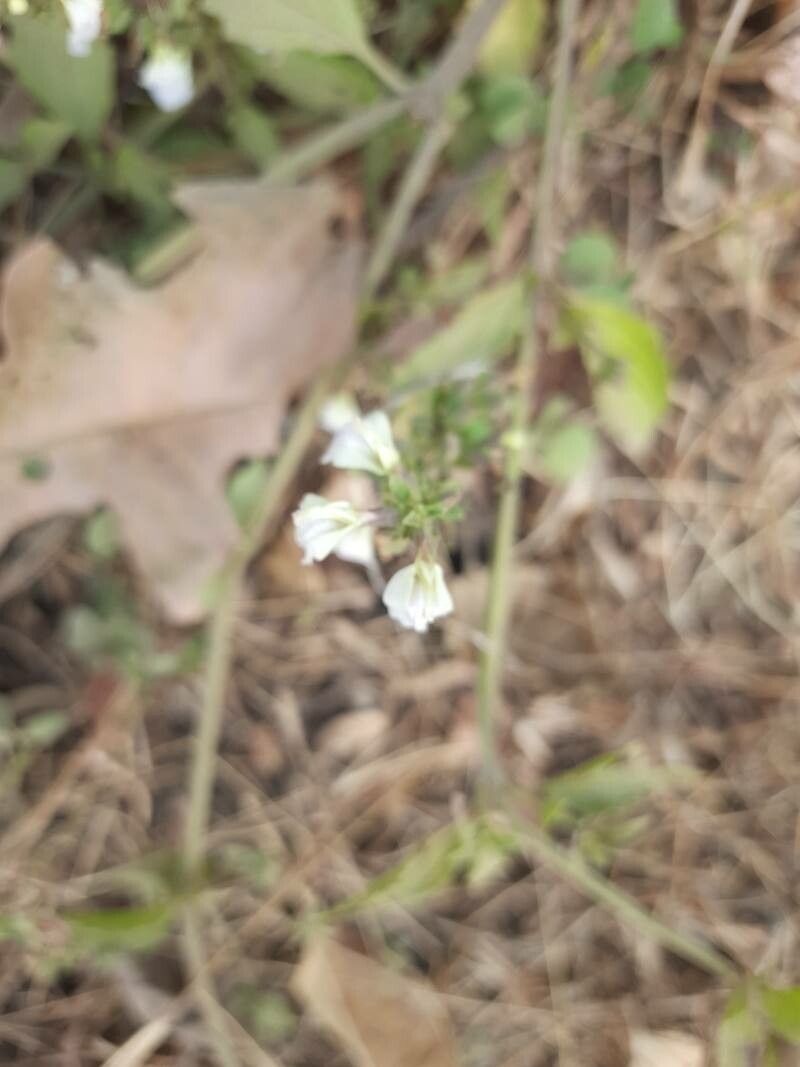
Anisomeles heyneana, commonly known as Indian False Horehound or Malabar Nut, is a fascinating aromatic herb native to India and Southeast Asia. Its striking, vibrant purple flowers and distinctively scented foliage make it a popular choice amongst gardeners seeking unique additions to their landscapes or herbal gardens. The plant’s medicinal properties add another layer of appeal, further fueling its growing popularity. However, propagating Anisomeles heyneana can present certain challenges. This guide explores the various methods available, outlining their viability and providing practical tips for success.
Seed Germination:
Currently, there are no known reliable methods for seed germination propagation of Anisomeles heyneana. While the plant produces seeds, their germination rate is extremely low, and even under ideal conditions, consistent success remains elusive. Further research into specific stratification techniques or pre-treatment methods might be necessary to unlock the potential of seed propagation in the future.
Cuttings:
Cuttings offer a much more reliable method for propagating Anisomeles heyneana.
Challenges: The success rate can vary depending on the timing and the technique employed. Older, woody stems are less likely to root compared to younger, semi-hardwood cuttings.
Tips: Take 4-6 inch cuttings from healthy, non-flowering stems in late spring or early summer. Remove lower leaves, dip the cut end in rooting hormone, and plant in a well-draining potting mix. Maintain consistent moisture and high humidity (using a propagation dome or plastic bag can help). Avoiding direct sunlight during the rooting phase is crucial.
Rewards: This method produces genetically identical plants, ensuring that desirable traits are retained. It’s also relatively straightforward and allows for the rapid multiplication of a favored cultivar.
Division:
Division is a viable propagation method suitable for established, mature Anisomeles heyneana plants.
Challenges: This method requires a fairly mature plant, limiting its use for new gardeners or those with limited space. Incorrect division can damage the plant, reducing its chances of survival.
Tips: Carefully dig up the mature plant in early spring or autumn. Divide the root ball into smaller sections, ensuring each has healthy roots and sufficient above-ground growth. Replant the divisions immediately, providing adequate watering and ensuring they are protected from extreme weather conditions.
Rewards: Division offers a quick way to increase the number of plants, and it’s less technically demanding than other methods.
Tissue Culture:
Tissue culture represents a potentially highly effective yet more complex method of propagation.
Challenges: This technique requires specialized equipment, a sterile environment, and considerable technical expertise. It’s usually more expensive and time-consuming than other methods.
Tips: Sterile techniques are crucial to prevent contamination. A suitable growth medium and appropriate hormonal balances are necessary for optimal callus formation and shoot multiplication.
Rewards: Tissue culture offers the potential for mass propagation of genetically uniform plants, free from diseases and pests. It allows for the rapid multiplication of desirable genotypes, making it ideal for large-scale commercial production.
Conclusion:
Propagating Anisomeles heyneana presents a mix of challenges and rewards. While seed germination remains unreliable, cuttings and division offer viable options for the home gardener, with cuttings generally being the most straightforward and reliable method. Tissue culture is an advanced option suited for commercial production or specialized propagation efforts. The unique satisfaction of successfully propagating this aromatic herb arises from overcoming the challenges associated with each method and nurturing the plant from its initial propagation stage to a mature, flowering specimen. The fragrant flowers and rich foliage will serve as a testament to your horticultural endeavors. For aspiring propagators, we encourage patience, careful attention to detail, and persistence – the rewards of successfully cultivating this captivating plant are well worth the effort.