
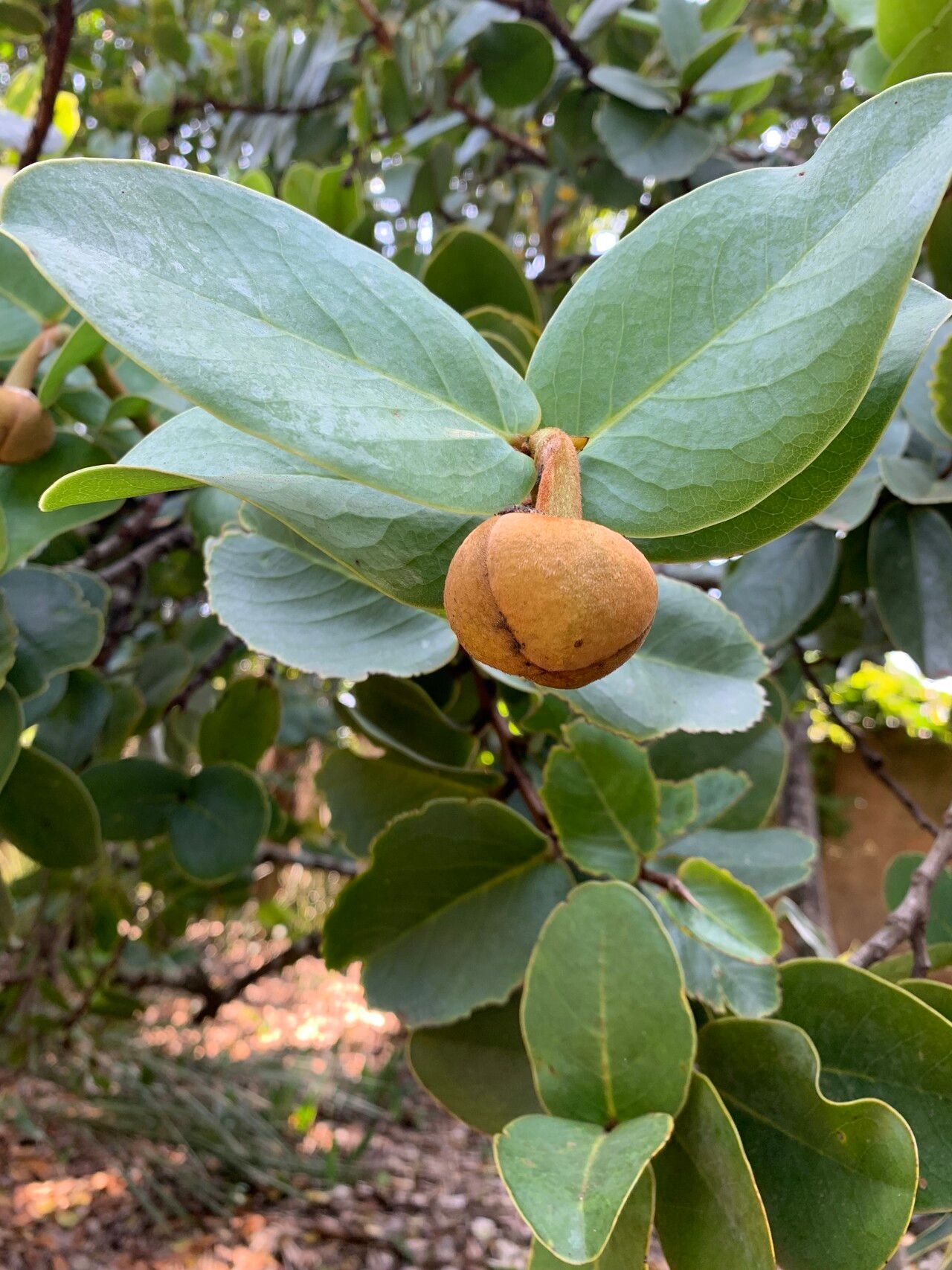
Propagating the Araticum: Unveiling the Secrets of Annona coriacea
Introduction
Annona coriacea, commonly known as araticum, is a captivating tropical fruit tree prized for its delicious, custard-like fruit. Native to South America, araticum boasts a uniquely rugged beauty with its leathery leaves and attractive, fragrant flowers. While not as widely cultivated as some other Annona species, its growing popularity among gardeners stems from its adaptability, relatively pest-resistant nature, and the delightful taste of its fruit. However, propagating araticum presents unique challenges, making successful propagation a rewarding endeavor for even seasoned cultivators.
Seed Germination
Seed germination is a viable, albeit challenging, method for propagating Annona coriacea. Challenges include relatively low germination rates and the need for specific environmental conditions. Fresh seeds are crucial; viability diminishes rapidly after seed extraction.
Challenges: Low germination rates, sensitivity to moisture levels (prone to damping off), long germination time.
Practical Tips: Seeds should be sown immediately after extraction, ideally in a well-draining, slightly acidic medium (pH 5.5-6.5). A warm temperature (25-30°C) and high humidity are essential. Shallow planting is recommended to avoid hindering the emerging radicle. Direct sowing in individual containers is preferable to prevent transplant shock. Seed pre-treatment methods like scarification might improve germination success but require further research.
Rewards: This method offers high genetic diversity, potentially leading to more resilient and productive trees. It allows for large-scale propagation, if germination rates can be improved through experimentation and optimized techniques.
Cuttings
Propagating Annona coriacea from cuttings is generally considered less successful compared to seed germination or more advanced techniques.
Challenges: Low rooting success rate, susceptibility to fungal infections, slow rooting process.
Practical Tips: Semi-hardwood cuttings taken from new growth in late spring or early summer might show a better rooting success. The use of rooting hormones and a well-ventilated propagation environment with high humidity are crucial. A bottom-heat propagation system can be beneficial for speeding rooting.
Rewards: Faster fruit production compared to seedlings (if successful), propagation of superior individuals with desirable traits if taken from a parent plant that displays these traits.
Division
Division is not a viable method for propagating Annona coriacea. This species does not readily form suckers or offsets that can be easily separated.
Tissue Culture
While not widely practiced for Annona coriacea, tissue culture holds significant promise as a propagation method, offering the potential for rapid and large-scale multiplication of superior genotypes.
Challenges: Requires specialized equipment, sterile laboratory conditions, a skilled technician, and a significant initial investment.
Practical Tips: Establishment of suitable growth media, selection of appropriate explants (e.g., nodal segments), and optimization of hormonal regimes are critical for successful tissue culture propagation. Regular subculturing and acclimatization protocols are needed for successful plant development.
Rewards: Offers the opportunity to mass-produce disease-free clones of superior araticum varieties. Allows for conservation and preservation of genetically valuable individuals.
Conclusion
Propagating Annona coriacea presents a unique set of challenges, varying across different techniques. While seed germination offers the possibility of generating diverse offspring, it requires patience and precise conditions to achieve satisfactory results. Cuttings present a quicker route to fruiting trees, but success is not guaranteed. Tissue culture provides the most efficient route to mass propagation but demands considerable expertise and resources. The rewards, however – the satisfaction of nurturing these beautiful trees from seed or cutting, and finally enjoying the fruits of your labor – far outweigh the initial difficulties. Aspiring propagators are encouraged to explore these methodologies, adapting techniques based on their available resources and experience. The journey itself, with its inherent learning and observation, is as rewarding as savoring the unique flavor of the araticum fruit.