
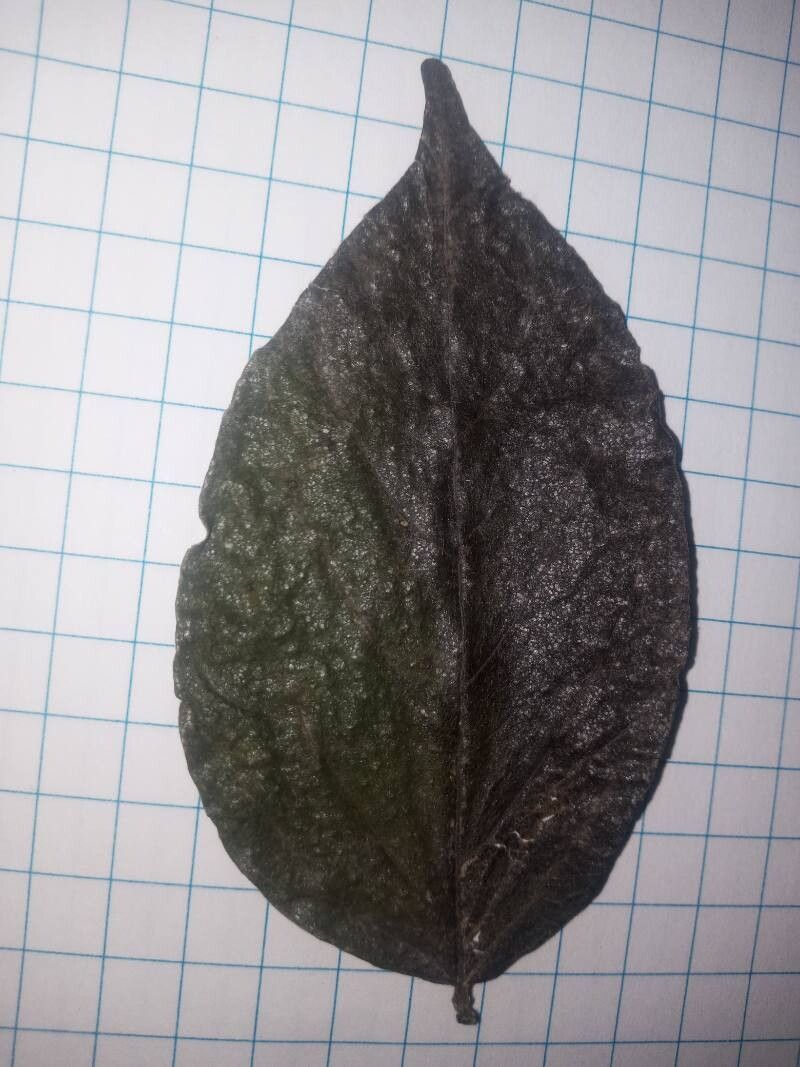
Propagating Annona cuspidata: A Guide to Cultivating the Cherimoya Relative
Annona cuspidata, commonly known as the pinã or small cherimoya, is a captivating shrub or small tree belonging to the Annonaceae family. Native to parts of South America, this relative of the cherimoya boasts attractive, leathery foliage and produces small, aromatic fruits with a creamy, slightly acidic pulp. While less widely cultivated than its more famous cousin, A. cherimola, A. cuspidata is gaining popularity among gardeners seeking unique and relatively low-maintenance fruiting plants. Its resilience and adaptability to diverse climates present both challenges and rewards to aspiring propagators. The relative ease of some propagation methods contrasted with the difficulties of others contributes to its unique appeal.
Seed Germination:
Seed germination is a viable method for Annona cuspidata propagation. However, it presents challenges. Seeds of Annona cuspidata have a relatively short viability period, requiring fresh seeds for optimal germination rates. Pre-sowing treatment, such as scarification (slightly nicking the seed coat) may improve germination success. Sowing should be done in a well-draining potting mix kept consistently moist but not waterlogged. A warm growing environment (around 25-30°C) is essential. Germination can take several weeks to months.
Challenges: Low germination rates if seeds are not fresh, susceptibility to fungal diseases in moist conditions.
Tips: Use fresh, ripe seeds; ensure good drainage; maintain consistent warmth and moisture; consider using a fungicide.
Rewards: Genetic diversity in the resulting plants; potential for large-scale propagation with sufficient seed sources.
Cuttings:
Propagation via cuttings is a successful method for Annona cuspidata. Semi-hardwood cuttings, taken from new growth in late spring or early summer, are most effective. Rooting hormones significantly improve the success rate. Cuttings should be planted in a moist, well-draining rooting medium, ideally under high humidity conditions, such as a propagation chamber or covered container.
Challenges: Relatively low rooting success rate if appropriate techniques (hormones, humidity control) are not followed; susceptibility to fungal infections.
Tips: Use rooting hormone; maintain high humidity; provide bottom heat.
Rewards: Faster establishment compared to seed-grown plants; preservation of desirable traits from parent plants.
Division:
Division of established plants is a viable method, particularly for small, clump-forming varieties of Annona cuspidata. This involves carefully separating the plant into several smaller divisions, each with its own root system, and replanting them.
Challenges: Requires established plants suitable for division; potential for root damage during separation.
Tips: Properly prepare the plant before division, ensuring healthy roots in each division. Plant carefully and water thoroughly to aid re-establishment.
Rewards: Relatively fast establishment of new plants; low failure rates when done correctly.
Tissue Culture:
While tissue culture is theoretically possible for Annona cuspidata, it’s not a commonly practiced method at the home level due to the specialized equipment, sterile environment, and technical expertise required. Research on optimized protocols for A. cuspidata tissue culture remains limited.
Currently, there are no widely known reliable methods for tissue culture propagation of Annona cuspidata readily available for home enthusiasts.
Conclusion:
Propagating Annona cuspidata presents a unique blend of challenges and rewards. Seed germination offers genetic diversity but requires patience and attention to detail. Cuttings represent a faster, albeit less genetically diverse, option. Division offers the simplest method for established plants. While tissue culture remains a largely unexplored avenue for home growers, cuttings and division provide reliable if not always guaranteed methods for successful propagation. The satisfaction of nurturing these plants from propagation through to fruiting, however, is undeniable. For those willing to tackle the nuances of each method, the journey of cultivating this fascinating species is richly rewarding. Remember patience, precision and consistent care are key to successfully propagating Annona cuspidata, and the sweet fruit of your efforts will make it all worthwhile.