
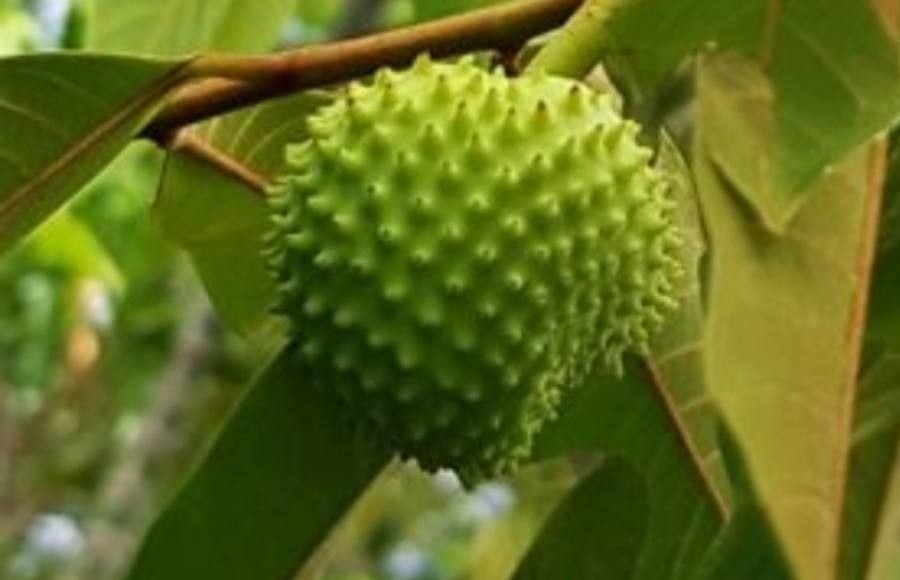
From Seed to Success: Propagating the Tropical Delight of Annona paludosa
The Annona paludosa, also affectionately known as the “Pond Apple” or “Water Apple,” is a fascinating tropical fruit tree that’s becoming increasingly popular amongst fruit enthusiasts. Its unique, sweet, and slightly tangy fruit is a real treat, but the real joy comes with growing these trees yourself. That’s where propagation comes in.
Propagation is the process of creating new plants from an existing one. For the Annona paludosa, there are two main methods: seed propagation and vegetative propagation.
Seed Propagation: A Journey from Seed to Sapling
This is the most common method and often the easiest for beginners. Here’s how you can bring a Pond Apple tree to life from a seed:
- Source Your Seeds: Grab fresh, ripe fruits from a healthy Annona paludosa tree. The seeds should be dark brown and smooth.
- Clean and Dry: Gently remove the seeds from the fruit pulp, wash them thoroughly, and allow them to dry completely in the shade. This helps with germination.
- Prepare the Seedbed: You can either directly sow the seeds in well-draining soil or start them in individual pots filled with a seed-starting mix. Ensure the soil is kept moist but not soggy.
- Sowing and Germination: Sow the seeds about half an inch deep and cover them lightly with soil. Keep the seedbed warm and humid, mimicking the tropical environment. Germination typically takes 2-3 weeks.
- Transplanting: Once the seedlings have grown a few sets of true leaves, they are ready to be transplanted into larger pots or directly into the ground.
Vegetative Propagation: Speeding Up the Process
Vegetative propagation involves using parts of an existing plant, like cuttings, to produce new plants that are genetically identical to the parent. This allows you to bypass the lengthy seedling stage and enjoy quicker fruit production.
1. Cuttings: Softwood cuttings taken during the growing season are often successful. Take 4-6 inches long sections from healthy stems, remove the leaves from the bottom two inches, and dip the cut ends in rooting hormone. Plant them in a well-draining, moist potting mix and cover them with a transparent plastic dome or bag to maintain humidity.
2. Air Layering: This technique involves creating a wound on a branch and encouraging it to develop roots before separating it from the parent plant. It’s a bit more complex but yields very robust offspring.
Tips and Tricks for Success
- Choose the Right Location: Pond Apples thrive in warm, sunny locations with well-draining soil.
- Water Wisely: Water regularly, especially during the establishment phase, but avoid overwatering.
- Provide Nutrients: Fertilize your trees regularly with a balanced fertilizer to ensure healthy growth and fruit production.
- Be Patient: These trees are slow-growing, but with proper care, you’ll be rewarded with delicious fruit in 3-5 years.
A Taste of the Tropics:
Growing your own Annona paludosa isn’t just about enjoying the fruit. It’s a rewarding experience that connects you with nature and brings a touch of the tropics to your home. So, go ahead and try your hand at propagation. You might just be surprised at how easily you can create your own little tropical paradise.