
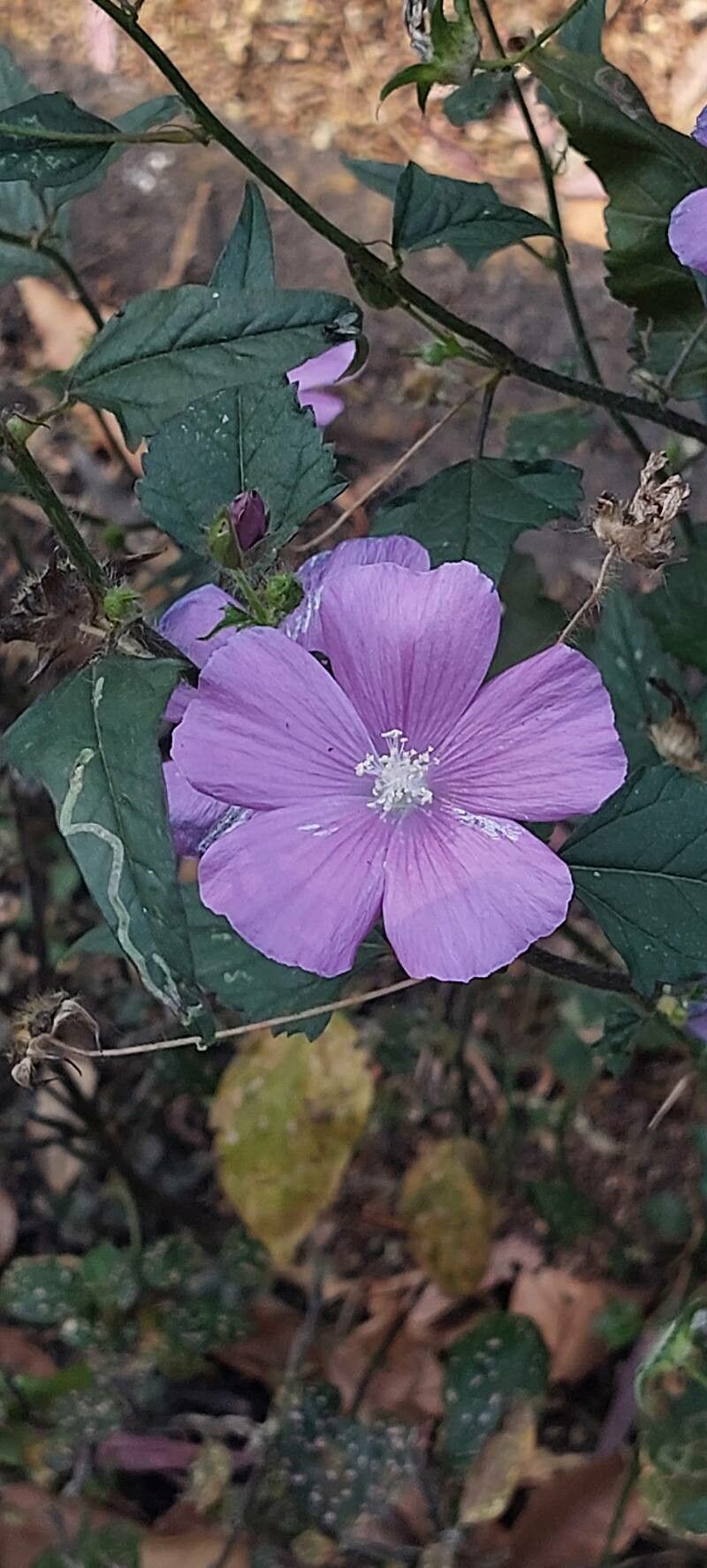
Propagating Anoda acerifolia: A Guide to Cultivating the Red-flowered Anoda
Anoda acerifolia, commonly known as Red-flowered Anoda or Maple-leaved Anoda, is a charming annual or short-lived perennial boasting vibrant red, rose, or pink flowers. Its palmate leaves, resembling those of a maple tree, contribute to its ornamental appeal, making it a popular choice amongst gardeners seeking a splash of color in beds, borders, or containers. Its relatively easy cultivation makes it accessible to beginner gardeners, yet propagating this plant presents its own set of unique challenges and rewards. Its prolific self-seeding habit in ideal conditions hints at the potential for seed propagation, but other methods may be necessary to guarantee success.
Seed Germination:
Seed germination is a viable method for propagating Anoda acerifolia, though success isn’t always guaranteed. Challenges include a relatively low germination rate and potential for slow emergence.
Challenges: Seed dormancy can be a significant hurdle. While Anoda acerifolia seeds are not typically known for requiring specific stratification (cold treatment), some sources suggest improving germination by lightly nicking the seed coat to aid water uptake. Improper sowing depth (too deep) can also hinder germination.
Practical Tips: Sow seeds directly outdoors after the last frost in well-draining soil. Maintain consistently moist (but not waterlogged) soil until germination. A warm sunny location is preferable. Consider sowing seeds thinly to avoid overcrowding. Experiment with direct sowing versus starting indoors 4-6 weeks before the last expected frost.
- Rewards: Successful seed germination offers the greatest possibility of genetic diversity within your propagated plants and represents a cost effective method for large-scale propagation, ideal for establishing a significant number of plants in a garden setting.
Cuttings:
Currently, there are no known reliable methods for propagating Anoda acerifolia from cuttings. The plant’s soft, herbaceous stems do not readily root from tip or basal cuttings, even with the aid of rooting hormones. Further research is needed to explore potential techniques that might be successful.
Division:
Division is not a practical method for propagating Anoda acerifolia. As it’s primarily an annual or short-lived perennial, it does not develop the extensive root system necessary for successful division and subsequent regrowth.
Tissue Culture:
Tissue culture propagation of Anoda acerifolia is largely unexplored. While it holds the potential for rapid and large-scale propagation, creating a sterile environment and mastering the specific nutrient and hormone requirements for this plant would require significant expertise and resources within a controlled laboratory setting. This method is not recommended for home gardeners.
Conclusion:
Propagating Anoda acerifolia presents both challenges and opportunities. Seed germination, though unpredictable, offers the potential for genetic diversity and quantity. Other methods, such as cuttings and division, remain impractical with currently available information. The unpredictability of seed germination adds a layer of intrigue to the cultivation process; overcoming these challenges and eventually witnessing the emergence of vibrant red blooms is profoundly satisfying. For aspiring propagators, patience and persistence are vital. Begin with sowing seeds and don’t be discouraged by initial setbacks; the success of cultivating these alluring plants from seed offers a unique and rewarding gardening experience. Remember to provide optimal growing conditions to maximize your chances of success.