
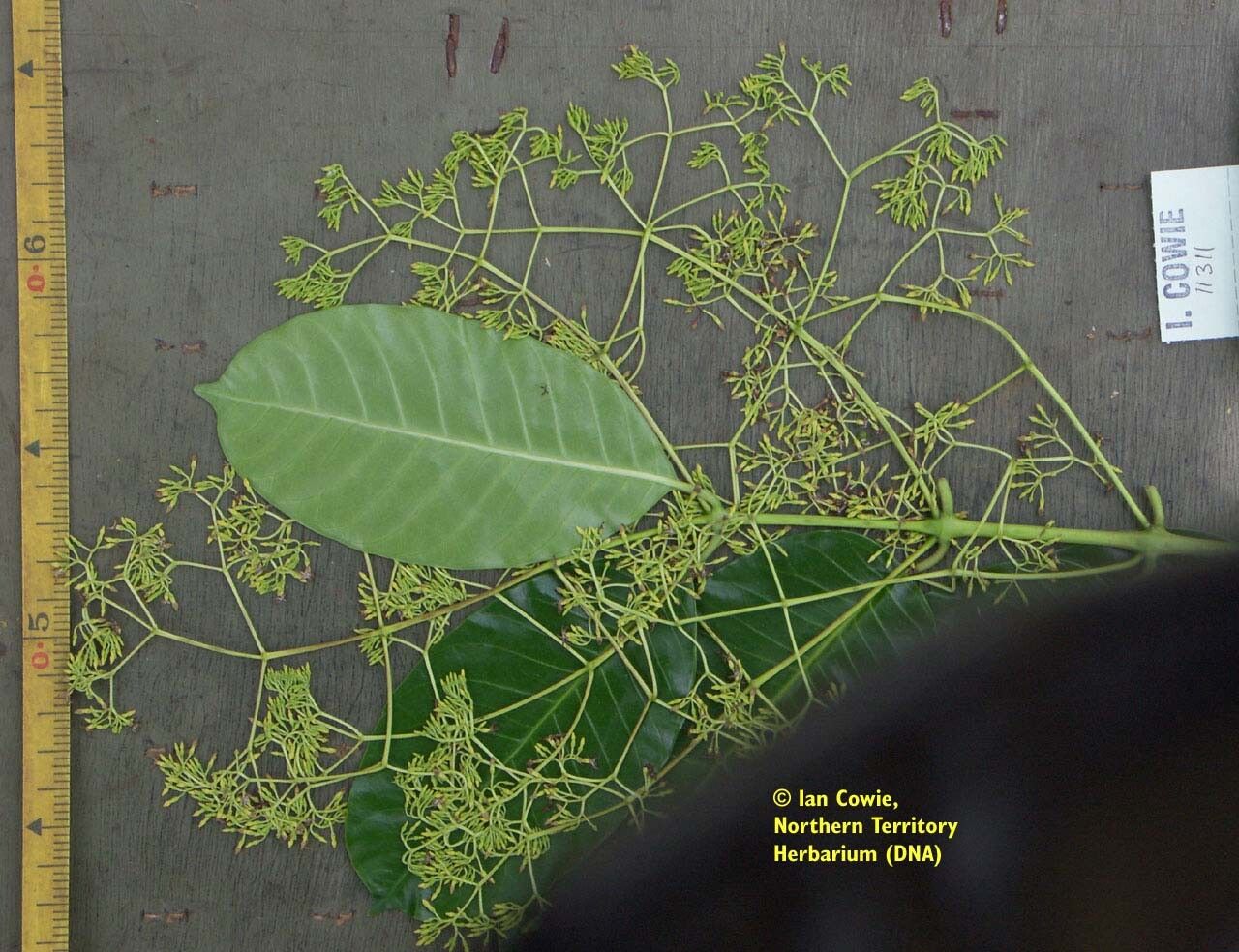
Propagating Anodendron parviflorum: A Gardener’s Guide to the Little-Known Vine
Anodendron parviflorum, also known as the Small-flowered Anodendron or sometimes simply as the Rope Vine due to its strong, twining stems, is a relatively underappreciated climber in the horticultural world. Its delicate, fragrant flowers and the potential for robust growth make it a rewarding, albeit challenging, plant to cultivate. Its propagation, however, presents unique obstacles and demands patience and skill. This article provides a comprehensive guide to the various propagation methods available.
Seed Germination:
Currently, there are no known reliable methods for seed germination propagation of Anodendron parviflorum. While seeds may be produced, their viability and germination rate are reportedly very low, often proving frustratingly unpredictable for even experienced propagators. Further research is needed to determine optimal germination conditions, including potential stratification techniques or the use of specific germination mediums.
Cuttings:
Cuttings offer a more promising approach to propagating Anodendron parviflorum.
Challenges: Rooting can be slow and inconsistent. Success depends heavily on environmental conditions, including humidity and temperature. The use of rooting hormone is highly recommended.
Practical Tips: Semi-hardwood cuttings (taken in late summer or early fall) generally show the highest success rate. Cuttings should be approximately 4-6 inches long with several nodes. Dip the cut ends in rooting hormone and plant them in a well-draining mixture of perlite and peat moss. Maintain high humidity using a humidity dome or propagator. Bottom heat can also significantly improve rooting success.
Rewards: Cuttings allow for the preservation of desirable genetic traits from a parent plant. This is particularly advantageous if you have a particularly healthy or uniquely-flowered specimen. The method is relatively simple once you achieve success.
Division:
Division is not a practical method for propagating Anodendron parviflorum. The plant’s strong, deep root system makes it difficult to divide successfully without causing significant damage to the mother plant.
Tissue Culture:
Tissue culture presents a potentially viable, albeit specialized, method for propagating Anodendron parviflorum.
Challenges: Tissue culture requires sterile laboratory conditions, specialized equipment, and expertise in plant tissue culture techniques. Developing a successful protocol for this species would require significant experimentation.
Practical Tips: Establishing a successful protocol typically involves identifying appropriate media formulations, growth regulators, and sterilization methods. It requires a laboratory setting with laminar flow hoods and autoclaves.
Rewards: Tissue culture allows for the mass production of genetically identical plants, an ideal method for large-scale propagation and conservation efforts.
Conclusion:
Propagating Anodendron parviflorum presents significant challenges. While seed germination is currently unreliable, cuttings offer the most accessible method for the home propagator, although patience and attention to detail are crucial. Tissue culture, while demanding in terms of resources and expertise, offers a powerful approach for large-scale propagation or for researchers. The rewards, however, are well worth the effort. The satisfaction of successfully nurturing a cutting into a robust, flowering vine cannot be overstated. For aspiring propagators, don’t be discouraged by initial setbacks. Experiment with different techniques, meticulously record your results, and celebrate each small success along the way. The journey to cultivating this fascinating vine is as rewarding as the beautiful plant itself.