
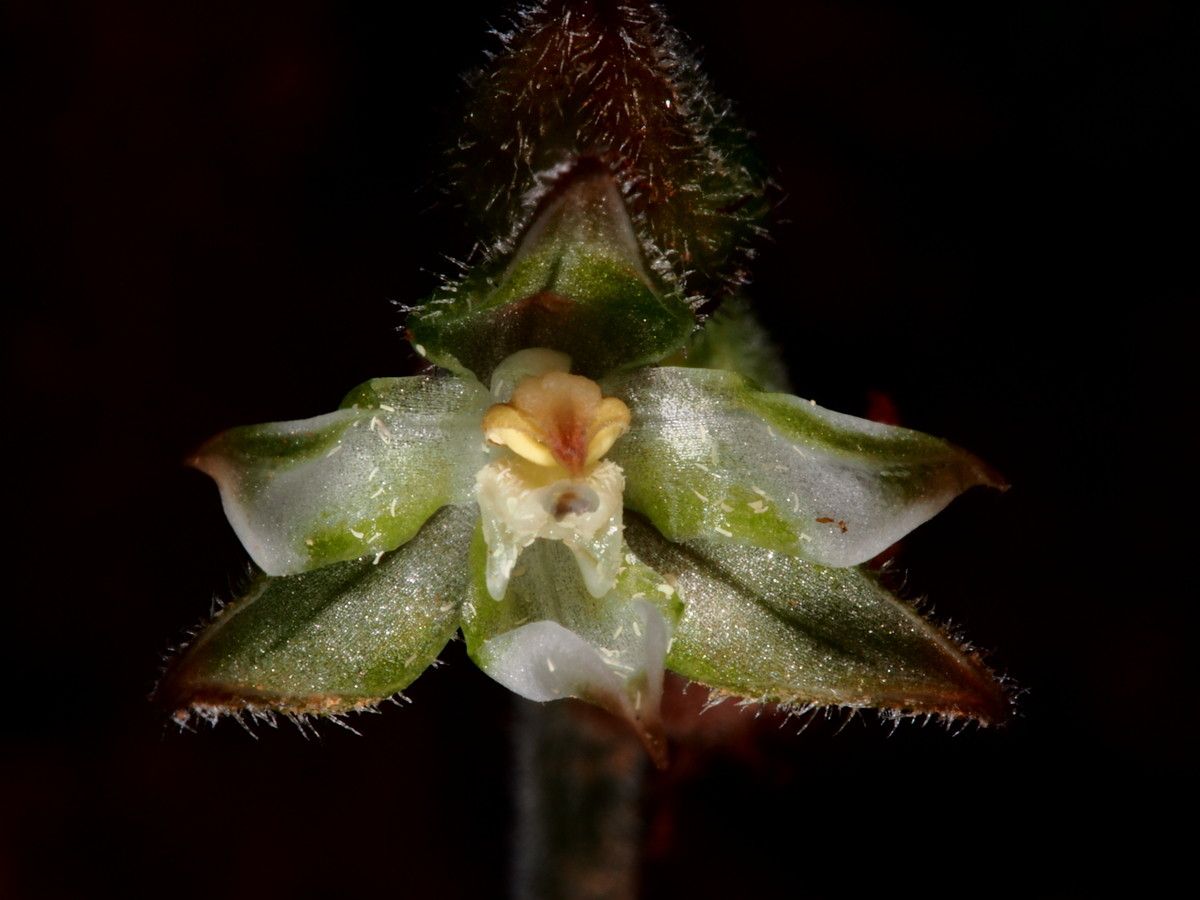
Unveiling the Secrets of Anoectochilus subregularis Propagation: A Jewel Orchid’s Journey
The world of orchids is filled with stunning diversity, from the flamboyant Cattleyas to the delicate Phalaenopsis. Yet, few possess the quiet elegance and captivating allure of the Jewel Orchids, specifically the species Anoectochilus subregularis. These terrestrial gems, with their velvety leaves adorned with shimmering veins, are a sight to behold. But their beauty isn’t the only intriguing thing about them. Propagating Anoectochilus subregularis can be a rewarding challenge, one that dedicated plant parents can master with the right knowledge.
Understanding the Basics: A Plant with Specific Needs
Before embarking on the propagation journey, it’s crucial to understand the unique needs of this jewel orchid. Anoectochilus subregularis thrives in warm, humid environments reminiscent of its natural rainforest habitat. Unlike many epiphytic orchids that prefer airy bark mixes, this terrestrial species prefers a well-draining yet moisture-retentive substrate. A blend of sphagnum moss, perlite, and fine bark chips can provide the ideal balance.
Two Paths to Propagation: Seeds vs. Division
Seed Propagation: While possible, propagating Anoectochilus subregularis from seed is a long and arduous process, often best left to experienced growers or commercial breeders. The seeds are incredibly small, requiring sterile conditions and specialized nutrient mediums to germinate. Additionally, it can take several years for seedlings to mature and develop their signature foliage.
- Division: This method, involving the separation of mature plant clumps, offers a more accessible and faster route to success. Look for healthy plants with multiple growths or “crowns.”
Mastering the Art of Division:
Timing is Key: The best time to divide your Anoectochilus subregularis is during the active growing season, preferably in spring or early summer. This allows the divided sections to establish themselves quickly in their new pots.
Gentle Hands & Sharp Tools: Carefully remove the plant from its pot and inspect the root system. Using a sterilized, sharp knife or pair of shears, carefully separate the plant into sections, ensuring each division has at least two healthy growths and an intact root system.
Potting Up for Success: Choose small pots with drainage holes to prevent waterlogging. Fill them with a well-draining orchid mix and gently place each division, ensuring the crown sits slightly above the soil line. Water thoroughly but avoid overwatering.
- Patience is a Virtue: Place the newly potted divisions in a warm, humid location with indirect light. Avoid direct sunlight which can scorch their delicate leaves. Maintain consistent moisture and observe their growth. It may take a few weeks for the divisions to adjust and show signs of new growth.
A Rewarding Undertaking:
Propagating Anoectochilus subregularis may require patience and dedication, but the reward of witnessing new life emerge from the divisions is truly gratifying. With the right care and attention, you can successfully multiply your collection of these exquisite orchids, spreading their captivating beauty and adding a touch of the rainforest to your home.