
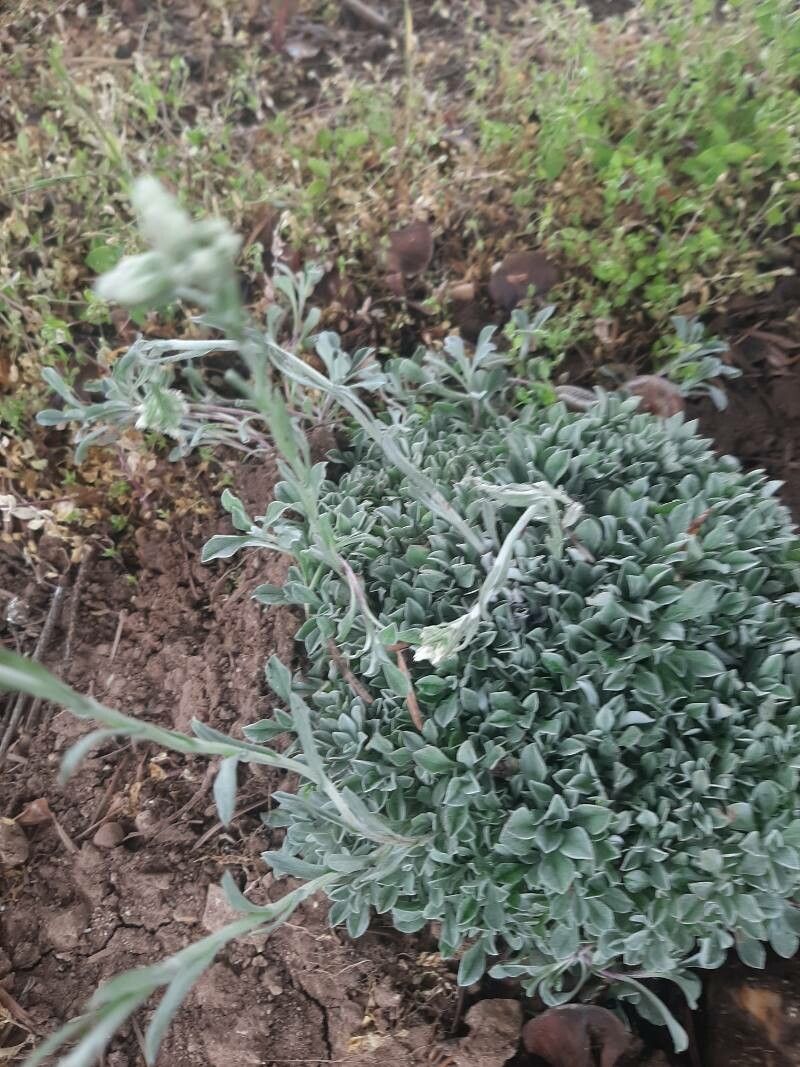
Propagating Antennaria alpina: Challenges and Rewards of Cultivating the Alpine Pussytoes
Introduction:
Antennaria alpina, commonly known as Alpine Pussytoes, is a charming low-growing perennial belonging to the Asteraceae family. Native to high-altitude regions of Europe and Asia, it boasts delightful silvery-grey foliage and boasts small, fluffy flower heads in shades of white or pale pink. This hardy plant has gained popularity among gardeners drawn to its low maintenance requirements, tolerance of harsh conditions, and its ability to create a textural contrast in rock gardens, alpine troughs, or as ground cover. Its propagation, however, presents unique challenges that add to the satisfaction of successful cultivation.
Seed Germination:
Currently, there are no known reliable methods for seed germination propagation of Antennaria alpina. Although seeds may be produced, their germination rate is notoriously low, even under ideal conditions. Factors such as dormancy, environmental sensitivity, and fungal susceptibility significantly hinder successful germination.
Cuttings:
Cuttings offer a more reliable method for propagating Antennaria alpina compared to seed germination.
Challenges: Root development from cuttings can be slow and inconsistent. The success rate depends heavily on factors such as the timing of taking cuttings (ideally in spring or early summer), the use of rooting hormone, and maintaining appropriate humidity and temperature.
Practical Tips: Take 5-10cm long stem cuttings from non-flowering, healthy shoots. Remove lower leaves, dip the cut ends in rooting hormone, and plant them in a well-draining medium (e.g., a mix of peat and perlite) kept consistently moist but not waterlogged. Cover with a humidity dome or plastic bag to maintain humidity. Propagation in a cool, shaded location is beneficial.
Rewards: Cuttings provide a quicker way to obtain genetically identical plants to the parent plant compared to seed-grown methods, ensuring you maintain desirable characteristics. It’s suitable for smaller-scale propagation.
Division:
Division is the most straightforward and successful method for propagating Antennaria alpina.
Challenges: Division is best undertaken in spring or autumn, carefully separating the established clumps into smaller sections, ensuring each division has sufficient roots and shoots. Damage to the root system can hinder establishment.
Practical Tips: Gently excavate the mature plant and carefully separate the root crowns, aiming for divisions with at least three to four healthy shoots. Plant the divisions immediately into well-prepared soil, ensuring proper spacing to allow for future growth. Water thoroughly after planting.
Rewards: Division offers a high success rate, producing mature plants much faster than cuttings. It’s a practical method for larger-scale propagation.
Tissue Culture:
While tissue culture is a possible method, it’s not commonly used for Antennaria alpina propagation in home gardening settings. It necessitates specialized equipment, sterile conditions, and expertise in plant tissue culture. Thus, this method is primarily employed in research or large-scale commercial propagation.
Challenges: Establishing aseptic conditions, selecting appropriate media, and maintaining optimal growth conditions are crucial for success. It requires specialized training and equipment.
Practical Tips: This method is not recommended for home gardeners due to its complexity.
Rewards: Tissue culture allows for mass propagation of uniform plants and provides a means of eliminating diseases.
Conclusion:
Propagating Antennaria alpina presents a unique set of challenges, primarily due to the species’ preference for niche environmental conditions. Seed germination is unreliable, while cuttings offer a moderate success rate requiring patience and attention to detail. Division, however, emerges as the most practical and reliable method for most gardeners. While the process might demand some horticultural expertise, successfully cultivating this alpine beauty from a cutting or through division offers a profound satisfaction—a testament to perseverance and understanding of these specialized plants. For aspiring propagators, we suggest starting with division, mastering the technique, and gradually experimenting with cuttings. Don’t be discouraged by initial setbacks – the rewarding sight of thriving Alpine Pussytoes makes the effort well worth it.