
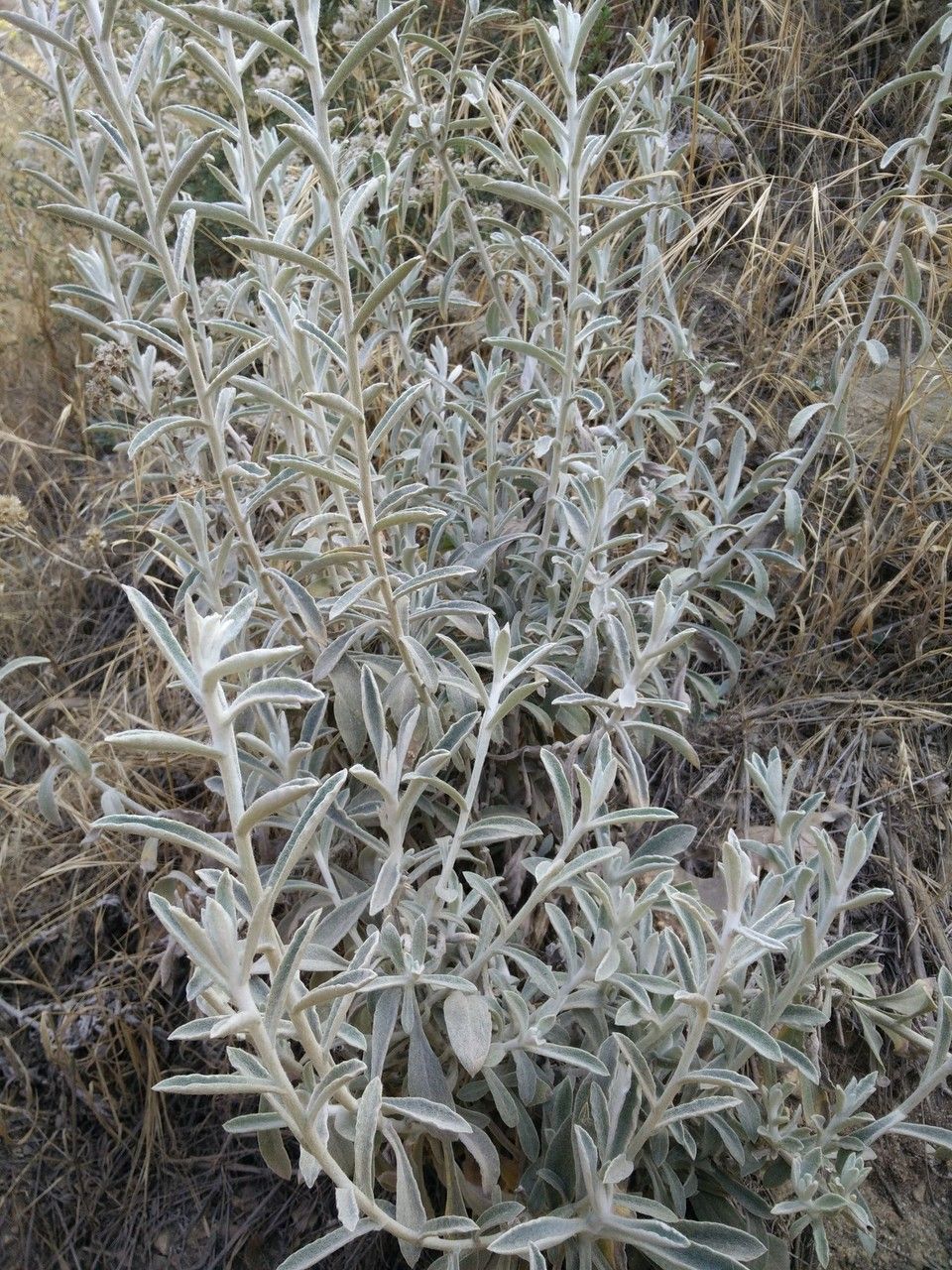
Propagating Antennaria marginata: The Challenges and Rewards of Cultivating Pussytoes
Antennaria marginata, commonly known as bordered pussytoes, is a charming perennial groundcover prized for its fuzzy, silvery-white foliage and delicate, fluffy flower heads. Its low-growing habit and tolerance of poor soils make it a favorite among gardeners seeking drought-tolerant and low-maintenance landscaping options. While relatively easy to maintain once established, propagating bordered pussytoes presents unique challenges, demanding patience and a nuanced approach. Its popularity, however, fuels the pursuit of successful propagation, rewarding gardeners with a flourishing carpet of this attractive plant.
Seed Germination:
Currently, there are no known reliable methods for seed germination propagation of Antennaria marginata. While seeds may be produced, their germination rate is exceptionally low, and consistent success is rarely reported. Further research into specific germination requirements, including potential stratification techniques, is needed to establish a viable seed propagation method.
Cuttings:
Propagating Antennaria marginata via cuttings offers a more promising approach than seed germination.
Challenges: Root development from cuttings can be slow and inconsistent. Success rates are dependent on timing (ideally taking cuttings in spring or early summer), maintaining high humidity, and using a suitable rooting medium.
Practical Tips: Take semi-hardwood cuttings approximately 4-6 inches long, removing lower leaves before planting in a moist, well-draining rooting mix (e.g., a mix of perlite and peat moss). Maintain high humidity by covering the cuttings with a plastic dome or propagator. Bottom heat can also improve rooting success. Using a rooting hormone can increase the chances of success.
Rewards: Cuttings offer a relatively quick method to produce genetically identical clones of a desirable mother plant, preserving desirable traits. This method is ideal for smaller-scale propagation.
Division:
Division is arguably the most reliable and straightforward method for propagating Antennaria marginata.
Challenges: Division requires an established, mature plant. Care must be taken to avoid damaging the root system during division. Overly disturbed plants might take some time to re-establish themselves in their new location.
Practical Tips: Divide the plant in spring or autumn, ensuring each division has a healthy root system and several actively growing shoots. Plant the divisions immediately after division in well-prepared soil, watering gently but thoroughly to avoid transplant shock. Choose a location with optimal sunlight and well-drained soil that mimics the natural habitat of the plant.
Rewards: Division is a rapid and efficient method, yielding several new plants from a single established specimen. It’s simple, relatively risk-free, and allows for quick expansion of an existing planting.
Tissue Culture:
Tissue culture propagation for Antennaria marginata is not commonly practiced due to the relative ease and success of division, and the unproven viability of seed germination or cuttings. The cost and specialized equipment required for tissue culture typically outweigh the benefits for this particular plant. While theoretically possible, it remains an area requiring further investigation.
Conclusion:
Propagating Antennaria marginata presents distinct challenges across the various methods. Seed germination currently remains elusive, while cuttings require patience and precise technique for success. However, division stands as the most reliable approach for both amateur and experienced gardeners. While the rewards of cultivating this attractive groundcover are undeniable, achieving propagation success requires understanding the nuances of each method. The satisfaction gleaned from nurturing a small cutting into a vigorous plant, or from successfully dividing a mature specimen, is immeasurable and speaks volumes about the patience and persistence which contribute to gardening success. For those wanting to propagate Antennaria marginata – start with division and gradually try cuttings if you are looking to preserve desirable characteristics; seed propagation requires much more investment with unclear guarantees of success. The journey, though potentially fraught with challenges, is undoubtedly rewarding.
