
Propagating Antennaria microphylla: A Guide to Cultivating the Small-Leafed Pussytoes
Introduction
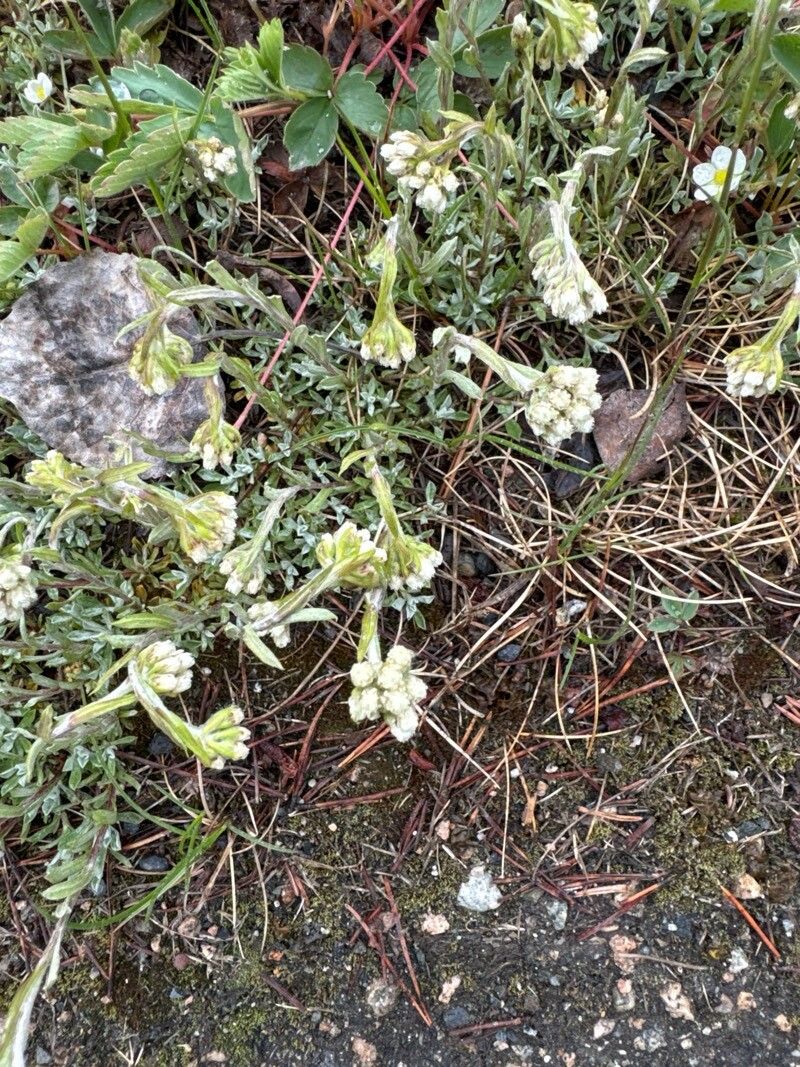
Antennaria microphylla, commonly known as small-leaved pussytoes, is a charming, low-growing perennial belonging to the Asteraceae family. Native to mountainous regions, it boasts attractive silvery-green foliage and delicate, fluffy flower heads that range from creamy white to pale pink. Its compact habit and tolerance of harsh conditions make it a popular choice among rock garden enthusiasts and those seeking drought-tolerant groundcover. However, propagation of Antennaria microphylla presents some unique challenges, making successful cultivation all the more rewarding.
Seed Germination
Currently, there are no known reliable methods for seed germination propagation of Antennaria microphylla. While seed production occurs, the germination rate is reportedly extremely low, and successful germination under controlled conditions has not been widely documented. Further research may unravel techniques to overcome this hurdle, particularly focusing on pre-treatment strategies.
Cuttings
Propagation through cuttings offers a more promising approach than seed germination.
Challenges: Antennaria microphylla can be slow to root from cuttings. The success rate is significantly impacted by the timing of the cuttings (ideally taken in spring or early summer from actively growing stems) and the provision of consistently moist conditions, without overwatering which leads to rot.
Practical Tips: Take 4-6 cm long stem cuttings, removing lower leaves before planting them in a well-draining, soilless propagation mix. Maintain high humidity by covering the cuttings with a clear plastic dome or propagator lid. Bottom heat can improve rooting. Regular misting is important to keep the cuttings moist but not waterlogged until roots develop.
Rewards: Cuttings provide a quicker and more certain method for increasing the number of plants compared to other propagation methods, although the cloning aspect reduces genetic diversity.
Division
Division is a relatively straightforward and reliable method for propagating Antennaria microphylla.
Challenges: This method is best carried out in spring or autumn, when the plant is actively growing or transitioning dormancy. Dividing the plant too aggressively can stress it, potentially resulting in the loss of some sections. Accurate division is crucial to ensure each section has sufficient roots and shoots.
Practical Tips: Carefully lift the mature plant from the ground, gently loosening the roots. Using a sharp knife or spade, divide the root ball into several sections, each containing several stems and a good portion of roots. Replant the divisions immediately, ensuring adequate spacing between them. Water thoroughly after planting.
Rewards: Division is the most efficient method for obtaining multiple plants and it maintains the genetic characteristics of the mother plant. It also is a less technically demanding method than propagation by cuttings or tissue culture.
Tissue Culture
Tissue culture is a technically advanced method rarely attempted for Antennaria microphylla on a home scale.
Challenges: This method requires specialized equipment, sterile environments, and expertise in plant tissue culture techniques. Developing a successful protocol for Antennaria microphylla may require significant experimentation, and requires specific hormonal and nutrient solutions.
Practical Tips: While this method can produce many plants quickly, it falls outside the scope of this article. For details, consult specialized literature on plant tissue culture.
Rewards: Tissue culture offers the potential for rapid multiplication and the production of disease-free plants, but requires considerable time, resources and expertise.
Conclusion
Propagating Antennaria microphylla presents unique challenges across all methods, with seed germination proving unreliable at present. Division provides the most effective pathway for the average gardener looking to expand their collection, offering good success rates and ease of use. Cuttings offer an alternative but often require more attention to details. Tissue culture remains a specialized technique not usually attempted for home propagation. The rewards, however, are worth the effort. Witnessing these resilient plants thrive, especially after overcoming some of the challenges associated with their propagation, provides a particular sense of horticultural fulfillment. Don’t be discouraged by initial setbacks; patience, attention to detail, and a willingness to experiment will eventually lead to the successful cultivation of this charming groundcover.