
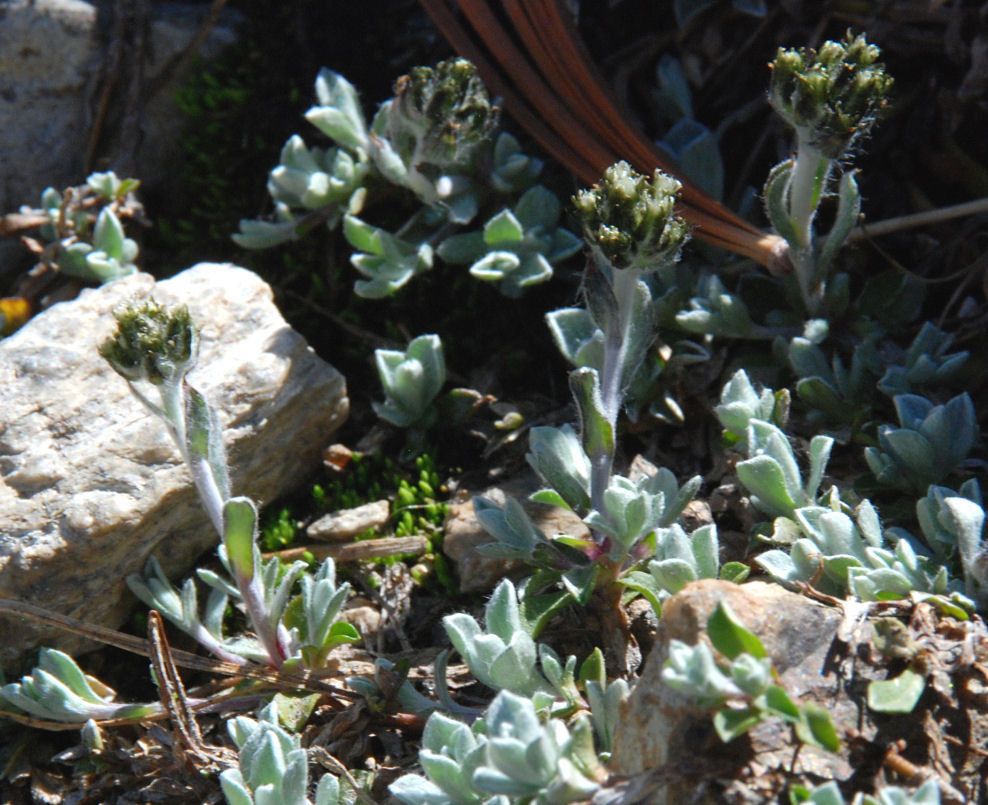
Unveiling the Secrets: How to Propagate the Charming Antennaria pulchella
Antennaria pulchella, also known as the Showy Pussytoes or Rosy Pussytoes, is a delightful perennial that brings a touch of whimsy and delicate beauty to any garden. Its silver-green foliage and charming, fuzzy pink or white blooms resemble tiny cat paws, adding a unique textural element to rock gardens, borders, or even containers.
While these low-maintenance charmers are relatively simple to care for, propagating them can seem a bit mysterious. But fear not, fellow plant enthusiasts! This guide is here to demystify the process and equip you with the knowledge to multiply your Antennaria pulchella collection.
Two Paths to Propagation:
Antennaria pulchella can be propagated through two primary methods:
Division: This technique is best suited for established plants and is typically carried out in spring or early fall.
- Step-by-Step Guide:
- Carefully lift the entire plant from the ground, ensuring you get as much of the root system as possible.
- Gently loosen the soil around the roots and identify natural divisions in the plant’s crown.
- Using a sharp, clean knife or garden shears, carefully separate the divisions, ensuring each section has a healthy root system and several growth points.
- Replant the divisions in well-draining soil and water them thoroughly.
- Step-by-Step Guide:
Seed Starting: While slightly more time-consuming, starting Antennaria pulchella from seed offers a rewarding experience and allows you to cultivate a greater number of plants.
- Step-by-Step Guide:
- In late winter or early spring, fill seed trays with a well-draining seed starting mix.
- Sprinkle the seeds over the surface of the soil, pressing them in lightly.
- Mist the seeds with water and cover the tray with a humidity dome or plastic wrap to retain moisture.
- Place the tray in a warm, bright location, out of direct sunlight.
- Depending on the temperature and humidity levels, germination can take anywhere from 1 to 3 weeks.
- Once the seedlings have developed a couple of sets of true leaves, they can be carefully transplanted into individual pots or directly into the garden after the last frost.
- Step-by-Step Guide:
Essential Tips for Propagation Success:
- Well-Draining Soil: Antennaria pulchella thrives in well-draining soil that mimics its natural habitat. Amend heavy clay soil with sand or perlite to improve drainage.
- Sunlight Requirements: Choose a location that receives at least 6 hours of sunlight per day. While Antennaria pulchella can tolerate partial shade, it performs best with ample sunlight.
- Watering Wisely: Water deeply but infrequently, allowing the soil to dry out slightly between waterings. Avoid overwatering, as this can lead to root rot.
- Fertilization Needs: These hardy plants are not heavy feeders. Amending the soil with compost before planting is usually sufficient.
Propagating Antennaria pulchella, while initially appearing complex, is an achievable task for gardeners of all levels. With a bit of patience, care, and the right knowledge, you can soon enjoy a thriving colony of these charming, low-maintenance perennials in your own garden. So why not give propagation a try? You might be surprised by the rewarding experience and the abundance of fuzzy blooms it brings!