
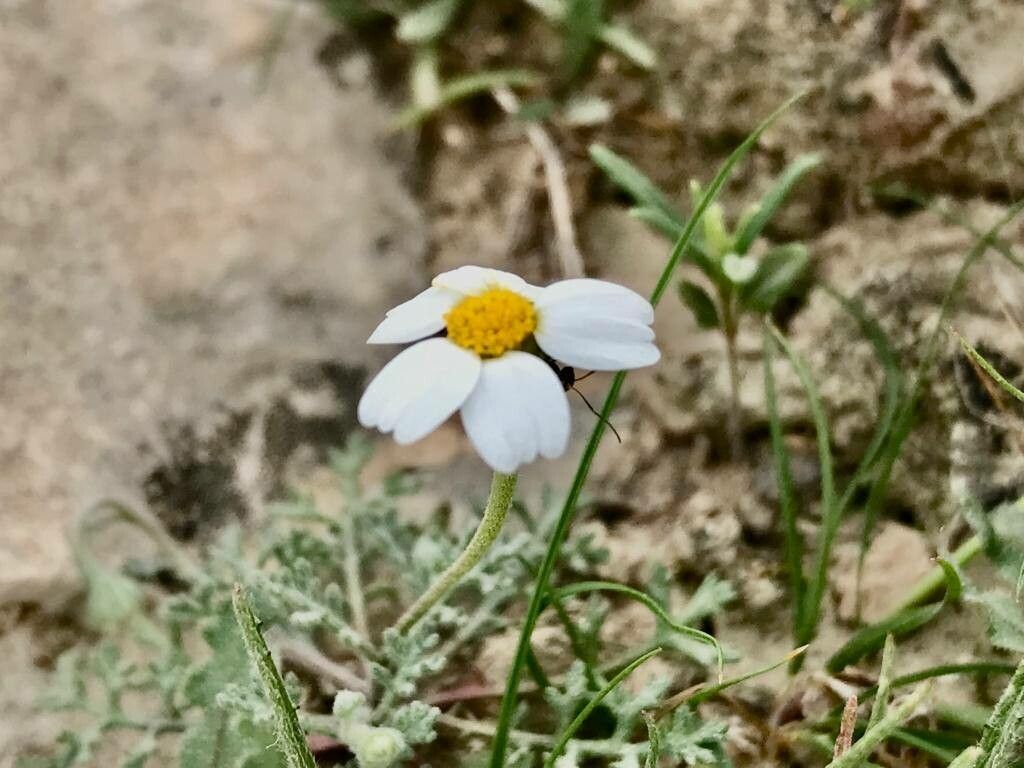
Propagating Persian Chamomile (Anthemis persica): A Gardener’s Guide
Introduction
Anthemis persica, commonly known as Persian chamomile, is a captivating annual or short-lived perennial prized for its delicate, daisy-like flowers boasting bright yellow centers and white or cream rays. Its vibrant blooms and feathery foliage make it a popular choice for borders, rock gardens, and containers. Unlike some chamomile species, it’s less commonly grown from seed, presenting unique challenges and rewards for propagation. The potential for genetic diversity from seed and the ease of vegetative propagation makes this species a fascinating subject for the dedicated gardener.
Seed Germination
Currently, there are no known reliable methods for seed germination propagation of Anthemis persica. While seeds may be produced, germination rates are notoriously low and unpredictable. Further research is needed to determine optimal germination conditions, including potential stratification requirements or the use of specific germination stimulants.
Cuttings
Challenges: Softwood cuttings are the most promising method for vegetative propagation. However, success rates can be variable, depending on timing, environmental conditions, and the use of rooting hormones. Proper sanitation to prevent fungal diseases is crucial.
Tips: Take softwood cuttings in early summer from non-flowering stems. Remove lower leaves, dip the cut ends in a rooting hormone powder, and plant in a well-draining propagation mix kept consistently moist but not waterlogged. High humidity and bottom heat can significantly improve rooting success. Cover the cuttings with a clear plastic dome or humidity propagator to maintain humidity.
Rewards: This method offers a relatively quick way to produce genetically identical plants, preserving desirable traits of a parent plant. It’s particularly useful for propagating rare cultivars or selected plants with exceptional characteristics.
Division
Challenges: Division is only feasible for established, mature plants. Care must be taken to avoid damaging the roots, which can hinder the successful re-establishment of the divisions. The plant’s shallow root system makes it somewhat fragile.
Tips: Divide mature plants in early spring or fall, ensuring each division has a healthy root system and several actively growing stems. Plant the divisions immediately in well-prepared soil, ensuring proper spacing. Water deeply after planting.
Rewards: Division allows for a rapid increase in plant numbers, especially for larger established clumps. This method is relatively simple compared to other methods, especially for experienced gardeners familiar with dividing herbaceous perennials.
Tissue Culture
Challenges: Tissue culture propagation is a complex and specialized technique requiring specific sterile conditions, growth media, and technical expertise. It necessitates considerable investment in equipment and supplies. While potentially effective, it’s not a readily accessible method for the average home gardener.
Tips: Successful tissue culture propagation of Anthemis persica would require extensive experimentation to determine the optimal media composition, plant growth regulators, and sterilization protocols. This is best left to research institutions or specialized plant nurseries.
Rewards: Tissue culture is the most efficient method for mass propagation, yielding a large number of genetically uniform plants in a short period. It also provides a means of propagating plants from small amounts of source material.
Conclusion
Propagating Anthemis persica presents unique challenges across all methods. While seed germination currently seems unreliable, vegetative propagation through cuttings and division offers achievable routes to successful propagation, albeit with some hurdles. Tissue culture remains a complex, specialized approach. The rewards, however, are significant: the ability to preserve prized cultivars, rapidly expand your garden, and experience the immense satisfaction of successfully cultivating this beautiful plant. For the dedicated gardener willing to invest the time and effort, the beauty of Persian chamomile more than compensates for the challenges involved. The unique charm of this plant, coupled with the pride of propagating it yourself, makes the endeavor particularly fulfilling. Start with cuttings, master the technique, and then experiment with division to build and share the joy of this rewarding plant.