
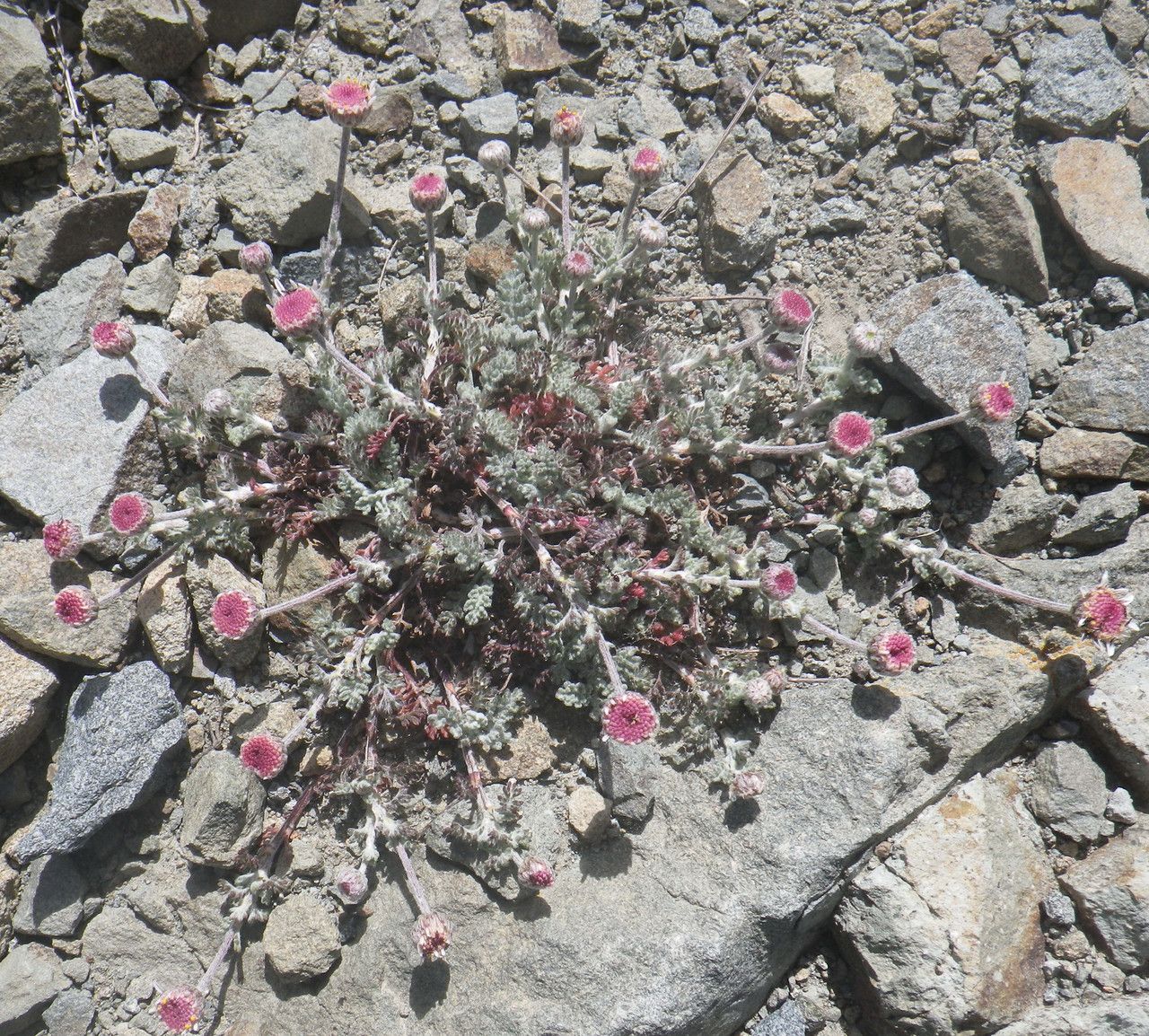
Unleashing the Golden Tide: Propagating Anthemis plutonia for a Sunshine Flood
Anthemis plutonia, more affectionately known as Golden Marguerite, is a sight to behold. With its vibrant, daisy-like blooms bursting forth in a wave of sunshine yellow, it’s no wonder gardeners adore this plant. But why settle for just one burst of golden sunshine when you can create a whole cascade? Propagating Anthemis plutonia is easier than you might think, allowing you to multiply your sunny delight and share its cheerful presence throughout your garden.
The Power of Two: Division and Cuttings
There are two primary methods for propagating Golden Marguerite: division and cuttings. Both are relatively straightforward, and the best choice depends on the time of year and your personal preference.
1. Dividing for Abundance:
Division is the simplest method and ideal for mature plants. As Golden Marguerite ages, it forms clumps which can be easily divided to create new plants. Here’s how:
- Timing is Key: Early spring or fall is ideal, when the plant is actively growing but not flowering.
- Digging Deep: Carefully lift the entire clump from the ground using a garden fork.
- Divide and Conquer: Gently tease apart the roots, separating the clump into smaller sections. Each section should have several healthy stems and roots attached.
- Replant and Thrive: Replant the divisions at the same depth they were originally growing, ensuring adequate spacing for future growth. Water thoroughly.
2. Cuttings: Cloning Your Golden Treasure:
For those who want to create a larger number of plants, taking cuttings is the way to go. This method involves using segments of healthy stems to grow new plants.
- Cut to the Chase: In late spring or early summer, select healthy, non-flowering stems. Using a sharp, clean knife or pruning shears, take cuttings about 4-6 inches long, cutting just below a leaf node.
- Prepare for Growth: Remove the lower leaves from the cutting, leaving only a few at the top. Dip the cut end in rooting hormone (optional but recommended) to encourage root development.
- Potting Up: Plant the cuttings in a well-draining potting mix. Ensure the soil remains consistently moist but not waterlogged.
- Root and Rise: After several weeks, the cuttings should develop roots. Gently tug on the base of the cutting; resistance indicates successful rooting. Once rooted, you can transplant them into individual pots or directly into your garden.
Nurturing Your Golden Legacy:
Whether you choose division or cuttings, providing the right environment is critical for your new Anthemis plutonia plants to flourish.
- Sunny Disposition: These sun worshippers thrive in full sunlight (at least 6 hours per day).
- Well-Drained Paradise: Plant in well-drained soil to prevent root rot.
- Water Wisely: While drought-tolerant once established, regular watering is essential for young plants.
- Pinch for Perfection: Regularly pinching back the growing tips will encourage bushier growth and more abundant blooms.
Propagating Anthemis plutonia is a rewarding experience, allowing you to expand your garden’s golden tapestry with minimal effort. So go ahead, embrace the joys of propagation and create a dazzling display of sunshine that will brighten your days and bring joy to your garden year after year.