
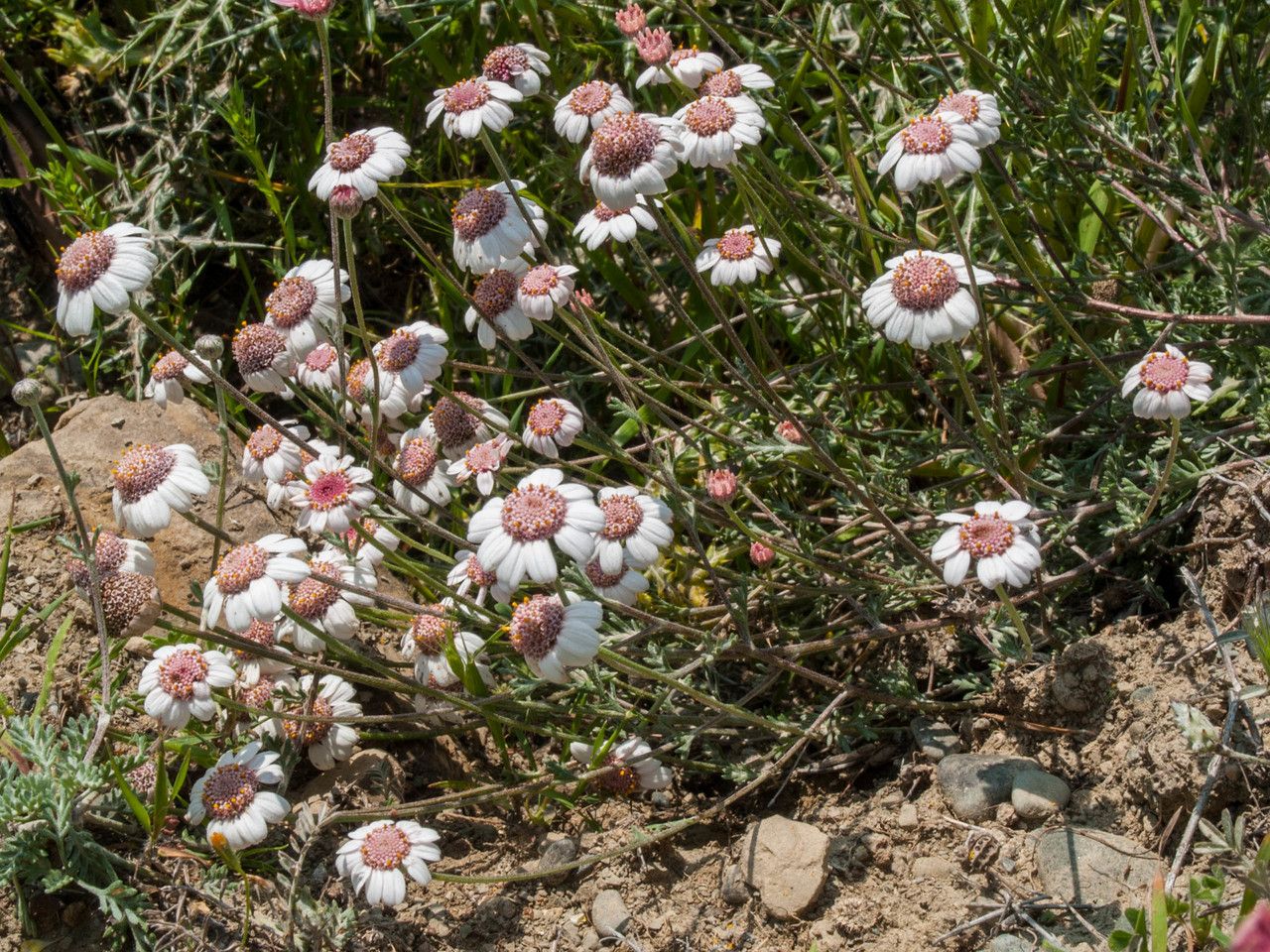
Tricolor Chamomile: Multiply Your Floral Bounty with These Propagation Techniques
Anthemis tricolor, commonly known as Tricolor Chamomile or Three-Colored Chamomile, enchants gardeners with its cheerful daisy-like blooms. Unlike its cousin, the Roman chamomile, these vibrant flowers boast a unique tricolored display of white, yellow, and pink on a single plant. The good news is, multiplying your floral bounty is easier than you think! Let’s explore the fascinating world of Anthemis tricolor propagation and discover how you can easily grow new plants.
Sowing Seeds: A Beginner’s Delight
Starting Anthemis tricolor from seed is a straightforward process that yields rewarding results:
Timing is Key: Aim to sow your seeds indoors 6-8 weeks before the last expected frost. This head start allows the seedlings to establish healthy root systems before they face the elements.
Sowing the Seeds: Choose a well-draining seed starting mix and sow your seeds about ¼ inch deep. Water gently and ensure the soil remains consistently moist but not waterlogged.
Light and Warmth: Place your seed tray in a warm, brightly lit location, but avoid direct sunlight which can scorch the tender seedlings. A sunny windowsill or under grow lights will do the trick.
- Transplanting Time: Once the danger of frost has passed and your seedlings have developed a couple sets of true leaves, it’s time to transplant them into your garden. Choose a sunny location with well-drained soil.
Dividing for a Fuller Garden:
If you already have an established Anthemis tricolor plant, division is another excellent way to propagate:
When to Divide: Early spring, just as new growth emerges, or early fall after the flowering season is the ideal time for division.
Gentle Division: Carefully dig up the entire plant, ensuring you lift the entire root ball. Using a sharp, clean knife or garden spade, divide the plant into sections, ensuring each section has a healthy set of roots and shoots.
- Replanting: Replant the divisions immediately in your garden, spacing them about 12-18 inches apart. Water thoroughly and mulch around the base to retain moisture.
Cuttings: A Summertime Propagation Technique:
While less common, taking cuttings offers another effective way to propagate your prized plant:
Taking the Cutting: In mid-summer, select a healthy, non-flowering stem. Using a clean, sharp knife or shears, make a cut just below a leaf node.
Preparing the Cutting: Remove the lower leaves from the cutting, leaving 2-3 pairs at the top. Dip the cut end in rooting hormone (optional but recommended) to encourage root development.
Planting the Cutting: Plant the cutting in a small pot filled with a well-draining potting mix. Keep the potting mix consistently moist and cover the pot loosely with a plastic bag to create a humid environment.
- Rooting and Transplanting: After about 4-6 weeks, your cutting should have developed roots. Once the roots are established, you can transplant the young plant into your garden.
No matter which propagation method you choose, remember to provide your new Anthemis tricolor plants with well-drained soil, ample sunlight, and regular watering to help them thrive. With a little effort, you can easily multiply these delightful blooms and enjoy their cheerful tricolored beauty year after year.