
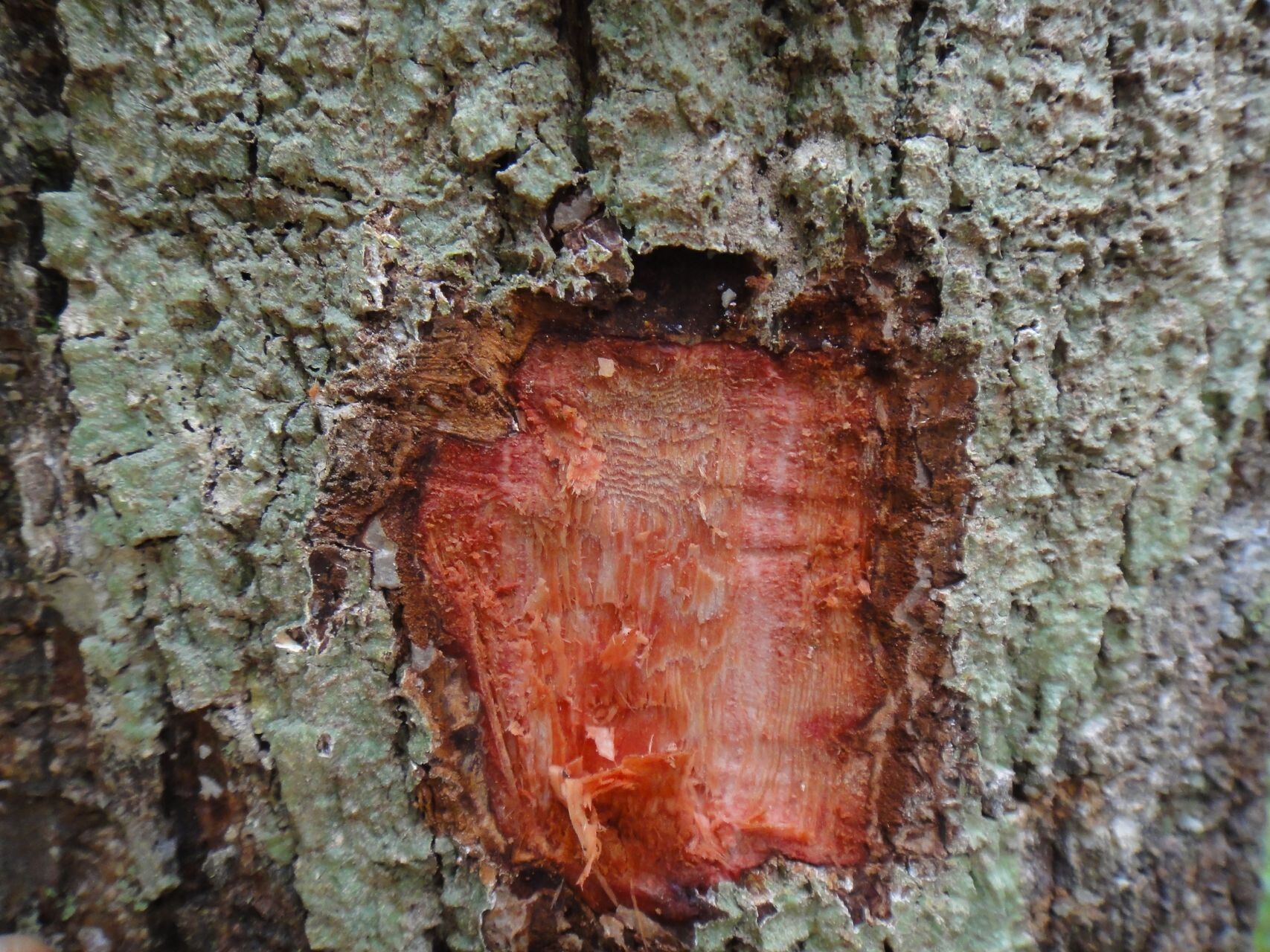
Unlocking the Secrets of the New Guinea Mahogany: A Guide to Propagating Anthocarapa nitidula
The New Guinea mahogany, scientifically known as Anthocarapa nitidula, is a tropical treasure prized for its beautiful wood and diverse medicinal uses. Native to Southeast Asia and Oceania, this majestic tree can reach impressive heights, but did you know you can cultivate it at home? While a bit more challenging than your average houseplant, propagating Anthocarapa nitidula is a rewarding endeavor for any plant enthusiast.
This guide will equip you with the knowledge to successfully grow your own New Guinea mahogany.
Two Paths to Propagation: Seed vs. Cuttings
Seed Propagation: The most common method for Anthocarapa nitidula involves using its large, winged seeds. Here’s how:
- Seed Selection & Preparation: Choose fresh, healthy seeds with a plump appearance. Soak them in lukewarm water for 24-48 hours to enhance germination rates.
- Sowing the Seeds: Utilizing a well-draining seed-starting mix, plant each seed about an inch deep in individual pots.
- Warmth & Moisture: Place the pots in a warm, humid environment with temperatures around 75-85°F (24-29°C). Keep the soil consistently moist but not waterlogged.
- Patience is Key: Germination can take anywhere from a few weeks to a couple of months. Be patient and ensure the seedlings receive adequate light once they emerge.
Propagation from Cuttings: This method, while less common, can be successful with the right approach:
- Selecting the Cutting: Choose a healthy, semi-hardwood cutting about 6-8 inches long from a mature tree. Ideally, select a branch with new growth.
- Preparing the Cutting: Remove the leaves from the lower half of the cutting and wound the base slightly to encourage root development.
- Rooting Hormone (Optional): Dipping the base in a rooting hormone can increase success rates.
- Planting & Environment: Plant the cutting in a well-draining potting mix and keep it in a warm, humid environment, similar to seed propagation.
- Root Development: It may take several weeks for roots to establish. Once the cutting shows new growth, you can gradually acclimate it to outdoor conditions.
Caring for Your Saplings
- Sunlight: Anthocarapa nitidula thrives in full sun to partial shade.
- Watering: Maintain consistently moist soil, especially during the plant’s early stages. However, avoid overwatering, as it can lead to root rot.
- Soil: Well-draining soil is crucial. A mix of loam, sand, and compost works well.
- Fertilizer: Feed your young trees with a balanced fertilizer every few months during the growing season.
Challenges and Rewards
Propagating Anthocarapa nitidula requires patience and dedication, but the rewards are worth it. Watching a tiny seed or cutting develop into a majestic tree is an incredibly fulfilling experience. By following these tips, you can embark on your own propagation journey and contribute to the preservation of this valuable and beautiful species.