
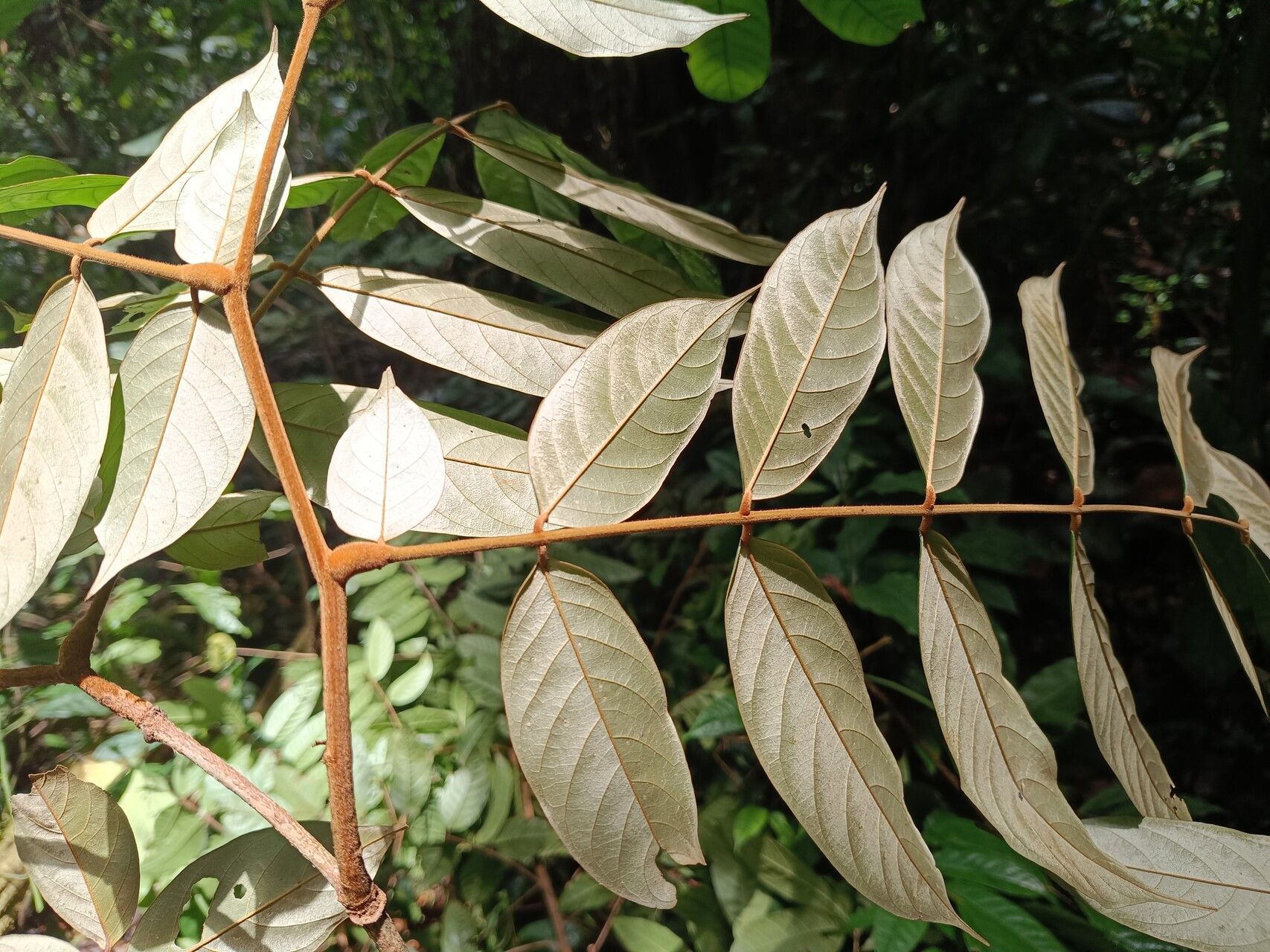
Unlocking the Secrets of Anthonotha lamprophylla: A Guide to Propagation
Anthonotha lamprophylla, also known as the “Shining-leaved Anthonotha,” is a fascinating tree species native to the rainforests of West and Central Africa. While not as widely known as some of its rainforest counterparts, this tree possesses unique beauty with its glossy leaves and vibrant flowers. If you’re interested in cultivating this exotic species, understanding its propagation methods is crucial.
This guide delves into the art and science of propagating Anthonotha lamprophylla, equipping you with the knowledge to successfully grow this fascinating tree.
Two Paths to Propagation:
Anthonotha lamprophylla can be propagated through two primary methods:
1. Seed Propagation:
- Seed Collection: Sourcing seeds can be challenging due to the tree’s limited distribution. If you’re fortunate enough to have access to a mature tree, collect mature pods directly from the tree during the dry season.
- Seed Preparation: The seeds are encased in hard pods. Once collected, allow the pods to dry thoroughly, which will facilitate easier seed extraction. Anthonotha lamprophylla seeds benefit from scarification to overcome dormancy. Gently nicking the seed coat with a file or sandpaper can significantly improve germination rates.
- Sowing: Sow the scarified seeds in a well-draining seed-starting mix, covering them lightly with the medium. Maintaining a warm and humid environment is essential for successful germination. A seedling heat mat can prove helpful in this regard.
- Patience is Key: Germination can be slow and erratic, often taking several weeks to several months. Be patient and continue to provide consistent moisture and warmth.
2. Vegetative Propagation (Cuttings):
- Timing is Everything: The ideal time to take cuttings is during the active growing season when the plant is flush with new growth.
- Selecting the Cutting: Choose healthy, semi-hardwood stems for your cuttings. Ideally, select stems that are about 4-6 inches long and have several nodes (bumps where leaves emerge).
- Hormone Boost: Dipping the base of the cutting in rooting hormone can significantly increase the chances of successful root development.
- Creating the Ideal Environment: Plant the treated cuttings in a well-draining rooting medium and place them in a warm, humid environment. A humidity dome or a clear plastic bag placed over the cuttings can help maintain humidity.
- Monitoring Progress: Rooting can take several weeks. Once you see new growth, it’s a good indication that your cuttings have rooted successfully.
Nurturing Your Anthonotha lamprophylla:
- Well-Draining Soil: Adequate drainage is crucial. A soil mix rich in organic matter and perlite or sand is ideal for promoting healthy root development.
- Light Requirements: While young seedlings tolerate shade, providing adequate sunlight as the tree matures is essential. Aim for a location that receives bright, indirect light or dappled shade.
- Watering Wisdom: Keep the soil consistently moist but avoid overwatering, which can lead to root rot. Allow the soil surface to slightly dry out between waterings.
- Humidity Control: Mimicking the humid conditions of its natural rainforest habitat is beneficial. Regularly misting the leaves or using a humidifier can help maintain adequate humidity levels.
- Fertilization: During the growing season, fertilize your Anthonotha lamprophylla regularly with a balanced, diluted fertilizer to support healthy growth.
Propagating Anthonotha lamprophylla can be a rewarding experience, allowing you to cultivate this unique rainforest species and contribute to its conservation. By understanding its specific needs and following the appropriate methods, you can increase your chances of success and enjoy the beauty of this fascinating tree in your own space.