
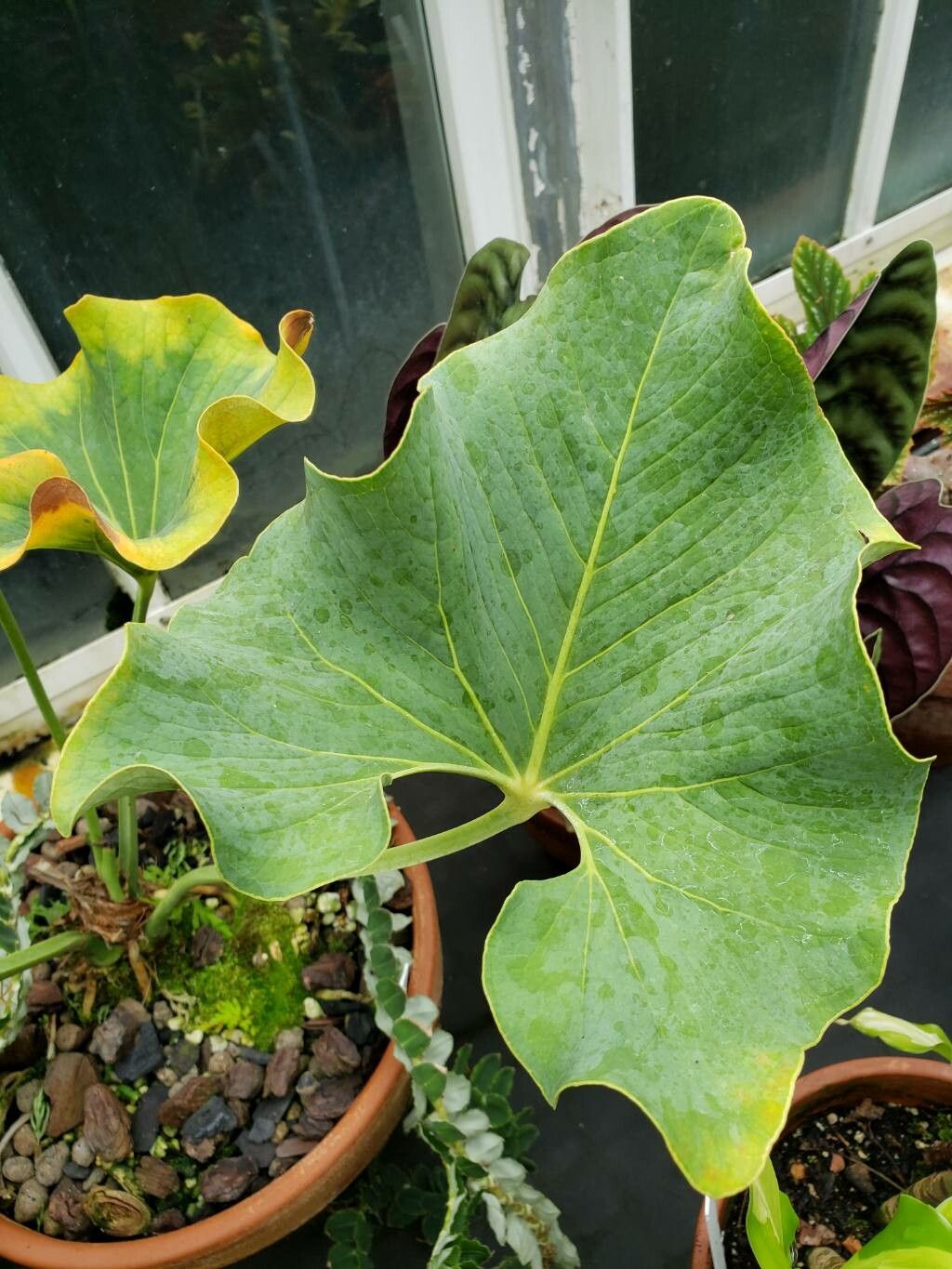
Propagating the Elusive Anthurium andicola: A Gardener’s Guide
Introduction
Anthurium andicola, while lacking a widely used common name, is a highly prized species among collectors for its striking beauty. This relatively rare Anthurium boasts unique velvety leaves, often displaying deep green, almost black coloration, and a subtly textured surface. Its compact growth habit makes it suitable for smaller spaces, adding to its appeal. However, its rarity contributes to challenges in propagation, making successful cultivation all the more rewarding for the dedicated gardener. The propagation methods available for Anthurium andicola are less well documented compared to other, more common Anthurium varieties, making experimentation and perseverance key elements to success.
Seed Germination
Currently, there are no known reliable methods for seed germination propagation of Anthurium andicola. While Anthurium species generally produce seeds, the viability and germination rate of Anthurium andicola seeds are reportedly low, if at all recorded. This is likely due to a combination of factors including seed dormancy and specific environmental requirements not yet understood or readily achievable outside of its native habitat. Further research is needed to determine whether specific pretreatment techniques (such as stratification) could improve germination success.
Cuttings
Cuttings present a potentially viable, though challenging, method for propagating Anthurium andicola.
Challenges: Anthurium andicola, like many Anthuriums, can be slow to root from cuttings. Rot is a significant risk, particularly if proper hygiene and moisture control aren’t maintained.
Practical Tips: Use sharp, sterilized tools to prevent disease transmission. Take stem cuttings, ideally with a node and at least one leaf. A rooting hormone can aid in root development. Plant the cuttings in a well-draining, sterile medium such as perlite or a mix of perlite and peat moss. Maintain high humidity (e.g., using a humidity dome or propagator) and bottom-heat to encourage root formation. Avoid overwatering, which leads to rot. Patience is crucial; root development can take several weeks or even months.
Rewards: Cuttings offer a relatively simple method (compared to tissue culture) for producing genetically identical plants, preserving the desirable characteristics of the mother plant.
Division
Division offers a more practical method for propagating established Anthurium andicola plants.
Challenges: This method only works when the plant is sufficiently mature and has developed multiple growth points. Care must be taken during division to avoid damaging the roots and stems.
Practical Tips: Carefully remove the plant from its pot. Gently separate the plant into smaller divisions, ensuring each possesses healthy roots and several leaves. Replant the divisions into appropriate pots with a well-draining potting mix. Water moderately to allow the roots to establish themselves in the new soil.
Rewards: Division is a relatively straightforward method, resulting in a faster increase in the number of plants compared to cuttings. It’s less technically demanding than tissue culture.
Tissue Culture
Tissue culture is a potentially highly effective method for large-scale propagation of Anthurium andicola.
Challenges: Tissue culture requires specialized facilities, equipment, and expertise. Sterile conditions are paramount to prevent contamination. Developing the optimal culture medium and protocols for Anthurium andicola specifically may require significant experimentation.
Practical Tips: This method is best left to professional plant tissue culture labs. They possess the necessary expertise and resources to optimize the process for achieving high success rates.
Rewards: Tissue culture offers the potential for mass production of Anthurium andicola, making it more accessible to gardeners and facilitating conservation efforts. It also allows the production of disease-free plants.
Conclusion
Propagating Anthurium andicola presents several challenges, including low seed viability, the slow rooting of cuttings, and the need for specialized equipment and expertise for tissue culture. While seed propagation is currently unreliable, cuttings and division offer realistic approaches for the dedicated home grower. Tissue culture remains the most promising method for large-scale propagation, although it requires significant resources. However, the exquisite beauty and rarity of Anthurium andicola make the effort worthwhile. The satisfaction derived from successfully propagating this demanding species far outweighs the difficulty of the process, ultimately enriching the experience of any enthusiastic plant cultivator. Don’t be discouraged by initial setbacks – persistent effort and careful attention to detail are key to success in cultivating this intriguing plant.