
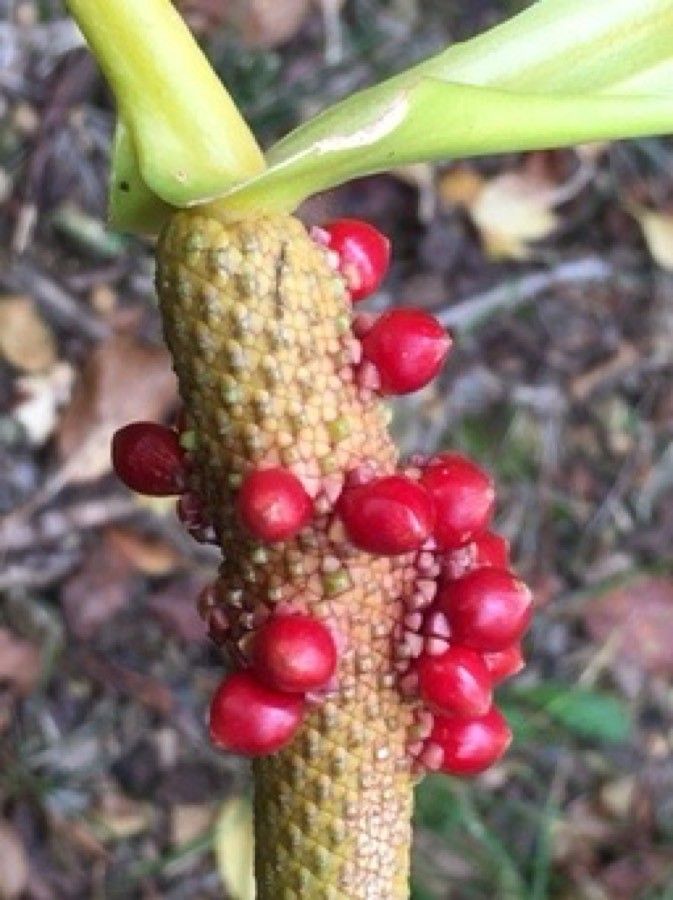
Propagating the Queen’s Tears: A Guide to Cultivating Anthurium cordatum
Introduction:
Anthurium cordatum, commonly known as Queen’s Tears, is a captivating member of the Araceae family, prized for its heart-shaped, glossy green leaves and delicate, often pendulous, inflorescences. Unlike its flamboyant cousins boasting brightly colored spathes, A. cordatum‘s beauty lies in its understated elegance and lush foliage. Its relative ease of care contributes to its popularity among houseplant enthusiasts, yet propagation can present unique challenges. This guide explores the various methods, outlining their viability, successes, and potential pitfalls.
Seed Germination:
Currently, there are no known reliable methods for seed germination propagation of Anthurium cordatum. While the plant produces seeds, germination rates are notoriously low, and the process is often plagued by fungal diseases and slow growth. Further research into specific germination requirements, such as temperature and humidity control, might reveal potential for successful seed propagation in the future, offering the reward of genetic diversity. For now, however, other methods are considerably more reliable.
Cuttings:
- Challenges: Anthurium cordatum is not known for easy propagation from cuttings. The success rate from stem or leaf cuttings is generally low due to the plant’s slow rate of callus formation and susceptibility to rot.
- Practical Tips: If attempting stem cuttings, use a sharp, sterile blade to take cuttings from healthy, mature stems. Treat the cut ends with a rooting hormone to encourage callus formation. Plant cuttings in a well-draining, moist substrate like perlite and peat moss mix, maintaining high humidity (e.g., using a humidity dome or propagator). Consistent warmth is crucial.
- Rewards: Though the success rate is lower, successfully propagating A. cordatum from cuttings provides a quick and relatively straightforward method for increasing the number of plants identical to the parent.
Division:
- Challenges: Anthurium cordatum is not readily divisible like some other plants. Its root system isn’t as readily clustered into separate sections. Forcing division can damage the plant, resulting in slower growth or even plant death.
- Practical Tips: Division is only practical when the plant is significantly mature and has developed a substantial root system with visible offshoots. Carefully remove the plant from its pot, gently loosen the root ball, and use a sharp, sterile knife to separate the plant into distinct sections, each containing healthy roots and shoots. Repot each section in fresh, well-draining potting mix.
- Rewards: Successful division creates more mature plants faster compared to cuttings, offering a quicker way to increase your collection.
Tissue Culture:
- Challenges: Tissue culture necessitates specialized equipment, a sterile environment, and expertise in plant tissue culture techniques, making it a costly and complex method.
- Practical Tips: This method requires a controlled laboratory setting with sterilization protocols, specific growth media, and close monitoring of temperature and light. Experienced tissue culture technicians are necessary for success.
- Rewards: This is the most reliable method for mass propagation of A. cordatum, producing numerous genetically identical plants and ensuring disease-free stock. It is particularly useful for commercial propagation.
Conclusion:
Propagating Anthurium cordatum presents various challenges, with vegetative propagation methods like cuttings and division yielding lower success rates than tissue culture. While seed germination is currently unreliable, the rewards of seeing these beautiful plants thrive from your own efforts are significant. Choosing the right propagation method depends on resources, experience, and goals. For the home propagator, mastering cuttings or attempting division can offer great satisfaction. For larger-scale propagation, tissue culture is the most reliable, albeit more complex, option. Remember patience and careful attention to detail are key to success with any method—the journey, with its inherent difficulties, adds to the unique pleasure of cultivating this exquisite plant. Don’t be discouraged by setbacks; persistent effort will eventually be rewarded with the vibrant green beauty of your successfully propagated Queen’s Tears.