
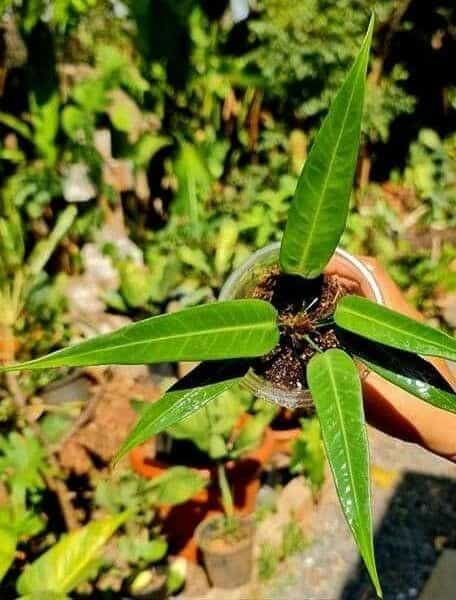
Unveiling the Mystery: How to Propagate Anthurium Debilipeltatum
The Anthurium Debilipeltatum, with its dramatic foliage and air-purifying qualities, is a houseplant enthusiast’s dream. But obtaining a mature plant can be pricey, and the desire to expand your collection (or share its beauty) is strong. Fear not, aspiring plant parent! Propagating your Anthurium Debilipeltatum is achievable and surprisingly rewarding. Let’s demystify the process!
Understanding the Basics: Two Primary Methods
Unlike some plants that readily sprout from cuttings, the Anthurium Debilipeltatum benefits most from two main propagation techniques:
- Division: This method involves separating an established plant into smaller, rooted sections.
- Seed Propagation: While less common and more time-consuming, this method offers a unique challenge and the potential for exciting variations.
Division: The Easier Route to Success
The ideal time to divide your Anthurium Debilipeltatum is during the spring or early summer when it’s actively growing. Here’s a step-by-step guide:
- Preparation is Key: Gather your supplies – a clean, sharp knife or pruning shears, well-draining potting mix designed for aroids, appropriately sized pots, and gloves to protect your hands from potential skin irritation.
- Carefully Remove the Plant: Gently ease the Anthurium out of its pot, loosening the soil around the roots.
- Identify Division Points: Look for natural clumps or offshoots that have developed their own root system.
- The Big Cut: Using your sterilized cutting tool, carefully separate the chosen sections, ensuring each division has a healthy root system attached.
- Potting Up Your Divisions: Plant each division in its own pot, using the well-draining aroid mix. Ensure the plant sits at the same depth as it did in the original pot. Water thoroughly, allowing excess water to drain.
Seed Propagation: For the Patient Plant Parent
Propagating Anthurium Debilipeltatum from seed is a labor of love, but the reward of nurturing a plant from its very beginning is immensely satisfying. Here are the steps:
- Obtaining Seeds: Anthurium seeds are not readily available commercially. You’ll likely need to pollinate your plant manually or find a reputable online source.
- Sowing the Seeds: Scatter the seeds onto the surface of a seed starting mix, lightly pressing them down. Mist the surface with water and cover the tray with a humidity dome or plastic wrap to maintain moisture.
- Patience is a Virtue: Seed germination can be unpredictable and may take several weeks or even months. Ensure the soil remains consistently moist and provide bright, indirect light.
- Transplanting Success: Once the seedlings have developed a few true leaves, they can be carefully transplanted into individual pots.
Post-Propagation Care: Nurturing Your New Additions
Regardless of the method you choose, newly propagated Anthurium Debilipeltatums require a bit of TLC to thrive. Place them in a warm, humid environment with bright, indirect light. Avoid direct sunlight, as it can scorch their delicate leaves. Water when the top inch of soil feels dry, and fertilize monthly during the growing season with a balanced, diluted fertilizer.
Reaping the Rewards: The Joy of Propagation
Propagating your Anthurium Debilipeltatum is not just budget-friendly but incredibly fulfilling. It allows you to deepen your connection with these fascinating plants and multiply your indoor jungle. So go ahead, channel your inner plant parent, and enjoy the rewarding journey of propagation!