
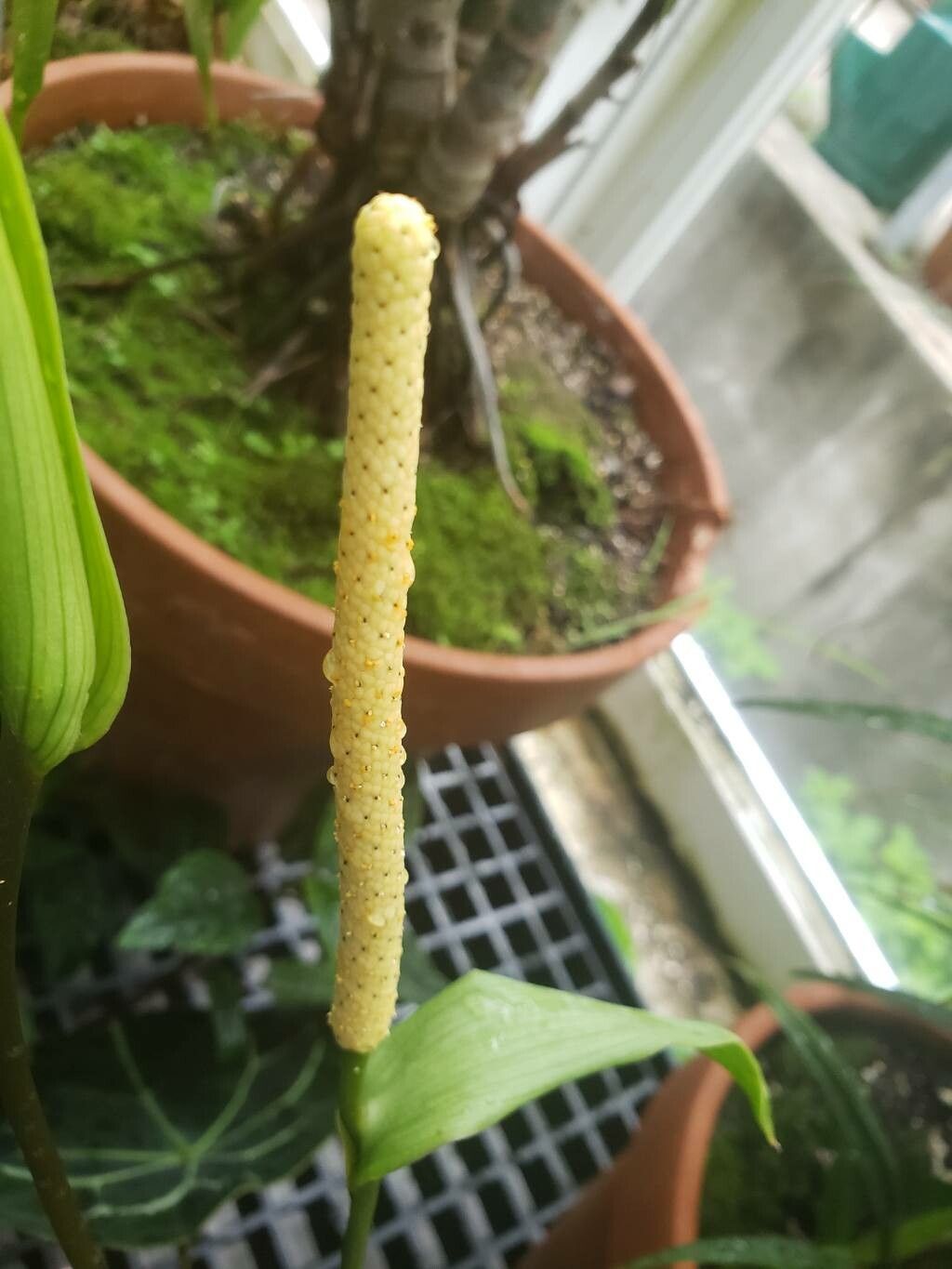
Propagating Anthurium forgetii: A Guide for the Determined Cultivator
Introduction:
Anthurium forgetii, affectionately known as the "Forget-Me-Not Anthurium," is a highly sought-after collector’s plant, captivating enthusiasts with its velvety, dark green leaves and unique, almost ethereal, inflorescence. Its rarity and stunning beauty have cemented its place in the hearts of many gardeners, but acquiring new plants can be challenging. Unlike more common Anthurium species, propagating Anthurium forgetii presents a unique set of hurdles, demanding patience, precision, and a deep understanding of its specific needs. This article explores the various propagation methods, outlining their viability, challenges, and rewards.
Seed Germination:
Currently, there are no known reliable methods for seed germination propagation of Anthurium forgetii. While Anthuriums in general can be propagated from seed, the rarity and specific cultural requirements of A. forgetii mean that germination success is extremely low, even under ideal laboratory conditions. Further research is needed to determine suitable germination protocols.
Cuttings:
Propagating Anthurium forgetii through cuttings is also challenging, but potentially more viable than seed germination, albeit with a low success rate.
- Challenges: A. forgetii, like many Anthuriums, is slow-growing. Cuttings are prone to rot, particularly if not kept in sterile, humid conditions. Successful rooting requires precise environmental control.
- Practical Tips: Stem cuttings, taken from healthy, actively growing nodes, should be treated with a rooting hormone and planted in a well-draining, sterile medium like perlite or a sphagnum moss-perlite mix. High humidity, achieved through a propagator dome or regular misting, is essential. Bottom heat can also encourage root development.
- Rewards: Successful propagation via cuttings offers a relatively straightforward method for producing a few genetically identical offspring from a mother plant, however success is not guaranteed.
Division:
Division offers a promising, albeit limited, option for Anthurium forgetii propagation.
- Challenges: A. forgetii does not readily produce offsets or suckers like some other Anthurium species. Division must be done carefully to avoid damaging the delicate roots of the parent plant. Only mature, well-established plants are suitable for division.
- Practical Tips: Division should only be attempted when the plant is actively growing and shows signs of multiple growth points. Sterile tools are essential to reduce the risk of infection. Each division should ideally have its own established root system. Replant the divisions in a well-draining, rich potting mix and provide humid conditions to aid establishment.
- Rewards: Division provides a faster route to creating multiple plants compared to cuttings but still limited by the growth rate of the parent plant. The resulting plants are genetically identical to the parent.
Tissue Culture:
Tissue culture represents the most reliable, albeit more technically demanding and costly method, for propagating Anthurium forgetii.
- Challenges: Setting up and maintaining a tissue culture laboratory requires specialized equipment, a sterile environment, and in-depth knowledge of plant tissue culture techniques. Finding suitable media and establishing sterile conditions to prevent contamination are major challenges.
- Practical Tips: Expertise in plant tissue culture is essential for success. Sterile procedures are critical from start to finish. Developing optimized media formulations for Anthurium forgetii may be necessary.
- Rewards: Tissue culture allows for mass propagation of A. forgetii, potentially making this rare plant more accessible to collectors while preserving genetic diversity through the propagation of multiple individuals from different parent plants.
Conclusion:
Propagating Anthurium forgetii presents significant challenges across all methods. While seed propagation is currently not viable, cuttings offer a limited option with careful attention to detail, and division is suitable only for mature plants with suitable characteristics. Tissue culture provides the best potential for large-scale propagation but demands significant expertise and resources. The rewards, however, are substantial. Successfully propagating this stunning plant brings a deep sense of accomplishment and contributes to the conservation and wider appreciation of this rare beauty. Don’t be discouraged by the challenges; the unique satisfaction derived from cultivating Anthurium forgetii, especially if using a method outside tissue culture, is a testament to your dedication and expertise. Embrace the learning process, experiment carefully, and celebrate every small success along the way.