
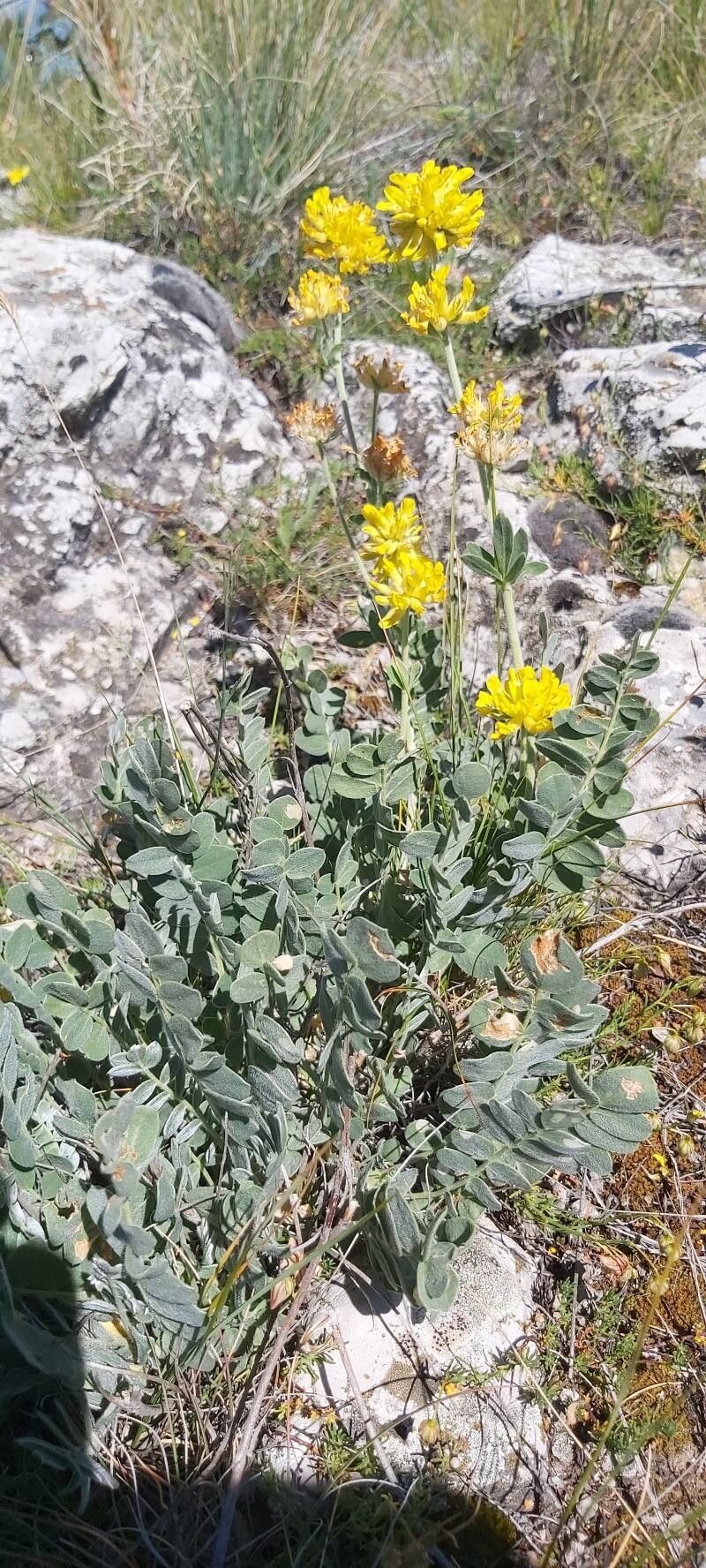
Propagating Anthyllis aurea: Golden Kidney Vetch – A Gardener’s Challenge
Anthyllis aurea, commonly known as golden kidney vetch, is a captivating low-growing perennial shrub prized for its vibrant golden-yellow flower heads and silvery-grey foliage. Its drought tolerance and attractiveness to pollinators make it a popular choice amongst gardeners seeking low-maintenance, ecologically beneficial additions to their landscapes. However, propagating this charming plant can present unique challenges. Its relatively low seed production and somewhat stubborn nature require a nuanced approach to propagation.
Seed Germination:
Currently, there are no known reliable methods for seed germination propagation of Anthyllis aurea. While seeds may be produced, their germination rate is notoriously low, and success is highly unpredictable. Factors such as dormancy and the need for specific environmental conditions likely contribute to this difficulty. Further research into specific scarification or stratification techniques might yield results, but currently, relying on seed propagation is not a practical strategy.
Cuttings:
Cuttings offer a more promising method for propagating Anthyllis aurea. However, challenges remain.
- Challenges: Success with cuttings depends heavily on timing and technique. Hardwood cuttings taken in late autumn or early winter have a higher chance of success than softwood cuttings.
- Practical Tips: Use sharp, clean tools to take 4-6 inch cuttings from healthy, mature stems. Remove lower leaves to prevent rotting. Treat the cut ends with a rooting hormone to stimulate root development. Plant cuttings in a well-draining potting mix and maintain consistent moisture levels (but avoid overwatering), ideally providing bottom heat and high humidity conditions (e.g. propagating tray with a humidity dome).
- Rewards: Successfully rooting cuttings allows for the exact replication of desirable traits from the parent plant, ensuring consistency in flower colour and plant form. This method is also ideal for smaller-scale propagation.
Division:
Division is a viable propagation method for established Anthyllis aurea plants.
- Challenges: This method is only useful for mature plants that have developed a substantial root system capable of being divided. Dividing too small of sections reduces the chance of survival.
- Practical Tips: The best time for division is in spring or early autumn. Carefully dig up the mature plant, gently separate the root ball into sections, ensuring each section contains healthy roots and shoots. Replant the divisions into well-drained soil, ensuring proper spacing to allow for growth. Water gently after planting.
- Rewards: Division is a relatively quick and simple method, offering a reliable way to increase the number of plants in a short time.
Tissue Culture:
Tissue culture propagation offers the potential for large-scale production of Anthyllis aurea.
- Challenges: This technique requires specialized equipment, sterile conditions, and technical expertise. It is a more technically complex and costly method than cuttings or division. Establishing a suitable protocol for Anthyllis aurea may require experimentation.
- Practical Tips: Finding a reputable laboratory with experience in propagating similar species is crucial. This requires collaboration with horticultural scientists and laboratories possessing the essential equipment and knowledge in the methodology.
- Rewards: Tissue culture offers the ability to produce a large number of genetically identical plants rapidly, ideal for commercial production or conservation efforts.
Conclusion:
Propagating Anthyllis aurea presents a satisfying but moderately challenging undertaking. While seed germination currently appears unreliable, cuttings and division offer practical, albeit not always straightforward, methods for successful propagation. Tissue culture remains an option for large-scale propagation but requires specialized knowledge and resources. The struggle inherent in the process adds to the sense of accomplishment derived from successfully cultivating this beautiful plant. The vibrant splash of gold that a thriving Anthyllis aurea adds to a garden is a testament to the perseverance and care given, making the reward well worth the effort for the dedicated gardener. Embrace the challenges, experiment with different techniques, and enjoy the satisfaction of seeing your efforts blossom into a successful colony of golden kidney vetch.