
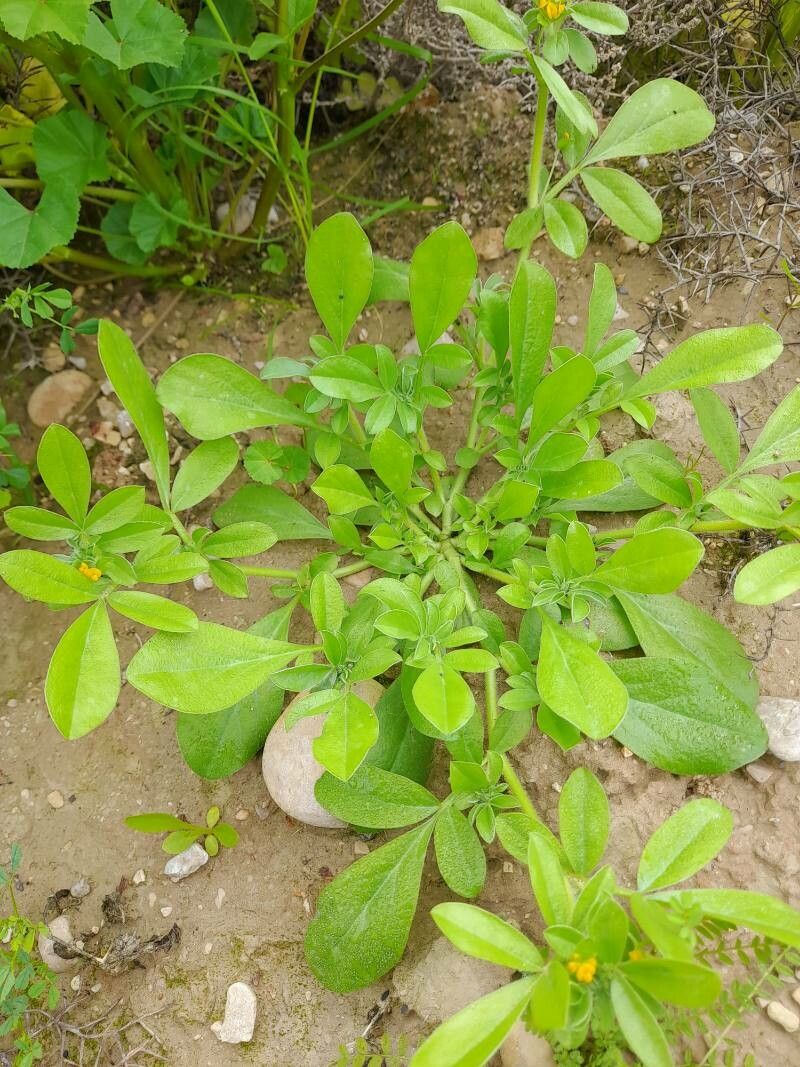
Waking the Sleeping Beauty: Propagating the Enchanting Anthyllis circinnata
Anthyllis circinnata, also known as the Mediterranean Kidney Vetch, might not be a household name in the gardening world, but this fascinating plant deserves a spot in any sun-drenched garden. With its silvery-green foliage and stunning crown of vibrant yellow flowers, this drought-tolerant beauty adds a touch of Mediterranean magic wherever it grows. Intrigued? Then let’s unlock the secrets of propagating Anthyllis circinnata and invite this botanical gem into your own outdoor haven.
Two Paths to Floral Bounty: Seeds vs. Cuttings
While Anthyllis circinnata can be a bit of a slow starter, the reward of its unique beauty is well worth the wait. This hardy plant offers two main avenues for propagation:
1. Sowing the Seeds of Success
- Timing is Everything: Aim to sow your Anthyllis circinnata seeds in early spring, when the soil has warmed up a bit.
- Sunlight is Your Ally: Choose a sunny location for your seeds, as these sun-worshippers thrive in bright conditions.
- Patience is a Virtue: Germination can be a bit temperamental and may take anywhere from a few weeks to a couple of months. Keep the soil consistently moist, but not waterlogged.
Boosting Germination:
- Scarification Secret: For a head start, try scarifying the seeds. This involves gently rubbing the seed coat with sandpaper to help break its dormancy and encourage faster germination.
- Warmth Works Wonders: Consider starting your seeds indoors under a grow light or on a warm windowsill to provide them with the extra heat they crave.
2. The Art of Cuttings
Propagating Anthyllis circinnata from cuttings offers a faster route to mature plants and can be particularly rewarding for preserving the characteristics of a specific cultivar.
- The Perfect Snip: In late spring or early summer, take softwood cuttings from new growth. Aim for cuttings that are about 4-6 inches long. Remove the lower leaves to prevent them from rotting in the soil.
- Rooting Hormone Boost: Dip the cut end of your cuttings in rooting hormone to encourage healthy root development.
- Creating a Cozy Nursery: Plant your cuttings in a well-draining potting mix and keep them consistently moist. A humid environment, created by covering the pot with a plastic bag or using a propagation dome, will significantly improve your success rate.
Nurturing Your New Arrivals
Once your seeds have sprouted or your cuttings have rooted, it’s time to provide them with the care they need to flourish:
- Sunlight: Choose a bright location with at least 6 hours of sunlight per day for optimal growth.
- Well-Drained Soil: Anthyllis circinnata thrives in well-drained soil and is remarkably drought-tolerant once established.
- Pruning for Beauty: Deadhead spent flowers to encourage a second flush of blooms and maintain a tidy appearance.
Inviting Anthyllis circinnata into Your Garden
Propagating Anthyllis circinnata might require a touch of patience and dedication, but the reward of this captivating plant blooming in your own garden is well worth the effort. So why not embrace the challenge and welcome this Mediterranean beauty into your outdoor space? You’ll be captivated by its silvery foliage, delighted by its cheerful blooms, and amazed by its resilience – a true testament to the enduring allure of nature’s wonders.