
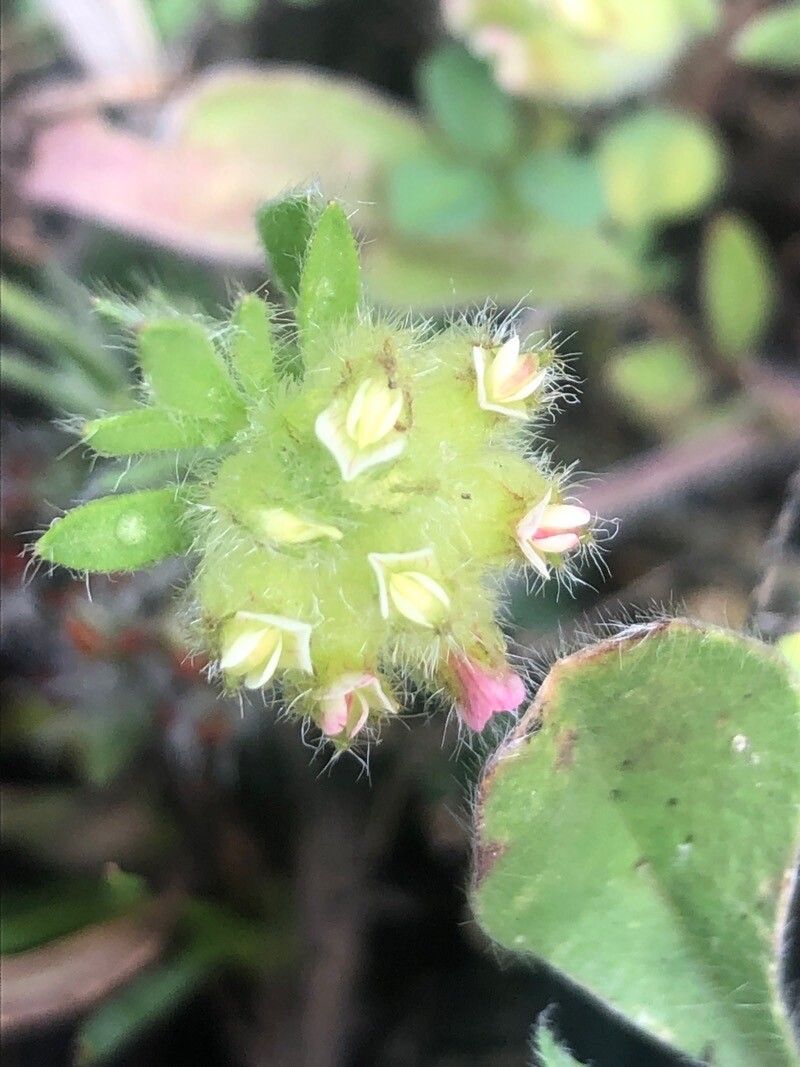
Beyond the Bloom: Unlocking the Propagation Secrets of Kidney Vetch (Anthyllis cornicina)
Kidney Vetch (Anthyllis cornicina) – a name that might not ring a bell for all, but a plant whose vibrant yellow blooms are sure to catch your eye. This hardy, drought-tolerant perennial, native to parts of Europe and Africa, is a favorite among seasoned gardeners and newbies alike, thanks to its cheerful disposition and ability to thrive in even the most challenging conditions. But have you ever wondered how to invite more of this sunny charm into your garden? The answer, my friends, lies in the fascinating world of plant propagation!
While Kidney Vetch can effortlessly self-seed, taking control of propagation allows you to expand your patch strategically or share its sunny disposition with fellow gardening enthusiasts. So, let’s delve into the two most effective methods:
1. Seeds: A Testament to Patience & Persistency
Collecting seeds from your Kidney Vetch is a rewarding experience. As the blooms fade, keep an eye out for the small, pod-like structures that follow. Once these pods turn brown and dry, gently collect and store them in a cool, dry place until you’re ready to sow.
- Timing is Key: Kidney Vetch seeds benefit from a period of cold stratification to break their dormancy and encourage germination. You can achieve this naturally by sowing outdoors in fall, allowing the winter chill to work its magic. Alternatively, mimic the cold stratification process by refrigerating the seeds for a few weeks before sowing in early spring.
- Sowing Simplicity: Choose a well-drained seed starting mix or prepare a sunny spot in your garden bed. Sow the seeds shallowly, about ¼ inch deep, and keep the soil consistently moist but not waterlogged. Germination can be sporadic, taking anywhere from a few weeks to a couple of months, so patience is a virtue!
2. Cuttings: A Shortcut to Success
For those seeking quicker results and a genetically identical clone of your prized Kidney Vetch plant, taking cuttings is the way to go!
- The Art of Selection: In late spring or early summer, select healthy, non-flowering stems for your cuttings. Ideally, choose stems that are around 4-6 inches long and haven’t started to harden off.
- Cut with Precision: Using a sharp, clean knife or pruning shears, make a clean cut just below a leaf node (the point where a leaf emerges from the stem). Remove the lower leaves, leaving only a couple at the top.
- Hormone Boost (Optional): While not strictly necessary, dipping the cut end in rooting hormone powder can encourage faster and more successful root development.
- Creating the Ideal Environment: Plant your cuttings in a well-draining potting mix and place them in a bright location, out of direct sunlight. Maintaining humidity around the cuttings is crucial, so consider covering the pot with a clear plastic bag or using a propagator.
With proper care and attention, your Kidney Vetch cuttings should develop roots within 4-6 weeks and be ready to be potted up individually or transplanted into their permanent location in your garden.
A Final Word
Propagating Kidney Vetch, whether from seed or cuttings, is a rewarding endeavor that allows you to expand your garden’s beauty while deepening your connection with this vibrant, resilient plant. Don’t be afraid to experiment and find the method that works best for you. Happy propagating!