
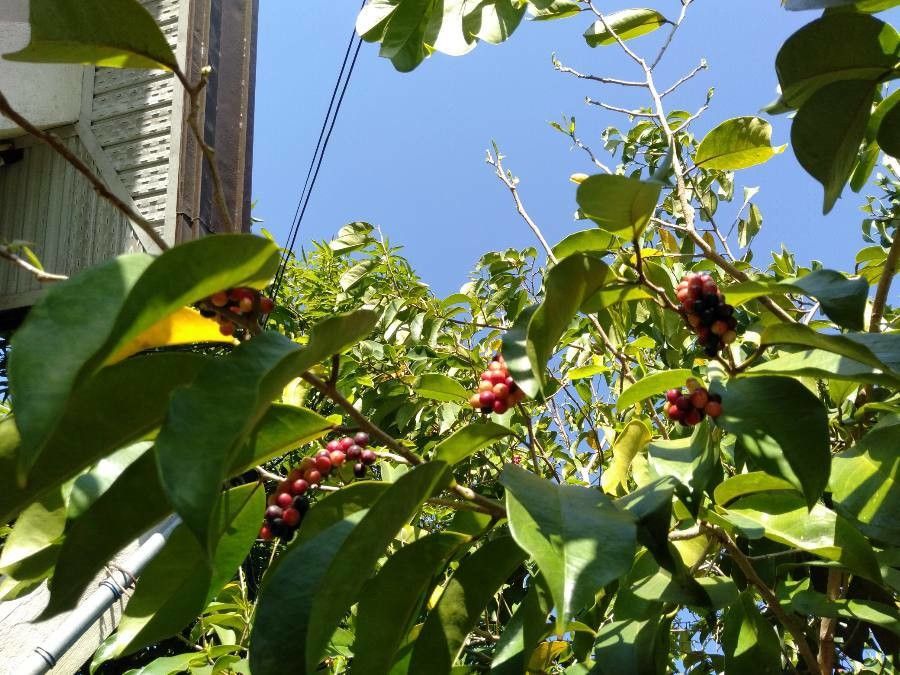
Unlocking the Secrets of Antidesma Acidum: A Guide to Propagation
Antidesma acidum, also known as “bignay,” “Chinese laurel,” or “wild cherry,” is a fascinating fruit tree native to Southeast Asia. Prized for its tart berries and ornamental value, this tropical treasure has begun capturing the attention of gardeners worldwide. But how do you actually go about growing your own Antidesma acidum?
This guide will delve into the fascinating world of Antidesma acidum propagation, exploring various techniques to help you cultivate this unique tree.
1. Seed Propagation: Embracing the Natural Way
Propagating Antidesma acidum from seed is an adventure in patience and observation. Here’s what you need to know:
- Seed Collection: Collect ripe, healthy fruits directly from the tree. Extract the seeds, ensuring they are clean and free from any pulp.
- Seed Treatment: Antidesma acidum seeds possess dormancy, which necessitates a little encouragement to germinate. Soak the seeds in warm water for 24 hours to soften the outer shell.
- Sowing: Plant the seeds in well-draining soil, about an inch deep. Keep the soil consistently moist but not waterlogged.
- Patience is Key: Germination can take anywhere from a few weeks to several months. Be patient, and don’t lose hope if you don’t see sprouts immediately.
Pros:
- Seed propagation allows you to experience the plant’s full life cycle.
- It’s generally more economical than purchasing a sapling.
Cons:
- Germination rates can be unpredictable.
- Seed-grown trees may take longer to bear fruit.
2. Cutting Propagation: A Quicker Path to Fruits
For those seeking quicker results, cuttings offer an efficient alternative. This method involves taking a section of a healthy branch and encouraging it to develop roots.
- Cutting Selection: Select a young, healthy branch from the current year’s growth. It should be about 6-8 inches long and have several nodes (small bumps where leaves emerge).
- Preparing the Cutting: Remove the leaves from the lower half of the cutting. Dip the cut end in rooting hormone to stimulate root development.
- Planting and Care: Plant the cutting in a well-draining potting mix. Ensure the soil remains moist, and provide indirect sunlight.
- Root Development: With proper care, roots should develop within a few weeks. Once the cutting shows signs of new growth, it can be transplanted to a larger pot or directly into the ground.
Pros:
- Cuttings generally produce fruit faster than seed-grown plants.
- You can be sure of the plant’s characteristics, as it’s genetically identical to the parent plant.
Cons:
- Finding a source for healthy cuttings can be challenging.
3. Air Layering: Encouraging Roots on the Branch
Air layering offers an advanced yet rewarding technique for propagating Antidesma acidum:
- Choose a Branch: Select a healthy branch approximately 1-2 cm in diameter.
- Girdling: Carefully remove a 1-inch ring of bark from the chosen branch.
- Rooting Hormone: Apply rooting hormone to the exposed area.
- Wrap with Medium: Encase the treated area with moist sphagnum moss and wrap it with plastic wrap, securing the ends tightly.
- Patience and Observation: After several weeks, roots will begin to form within the wrapped moss. Once a good root system develops, cut the branch below the root mass and pot it.
Pros:
- High success rate compared to other methods.
- Allows for propagation of larger branches.
Cons:
- More technically demanding than other methods.
No matter your chosen propagation method, remember that Antidesma acidum thrives in well-draining soil, warm temperatures, and ample sunlight. With a little patience and care, you can enjoy the unique beauty and delicious fruits of this exceptional tree in your own backyard.