
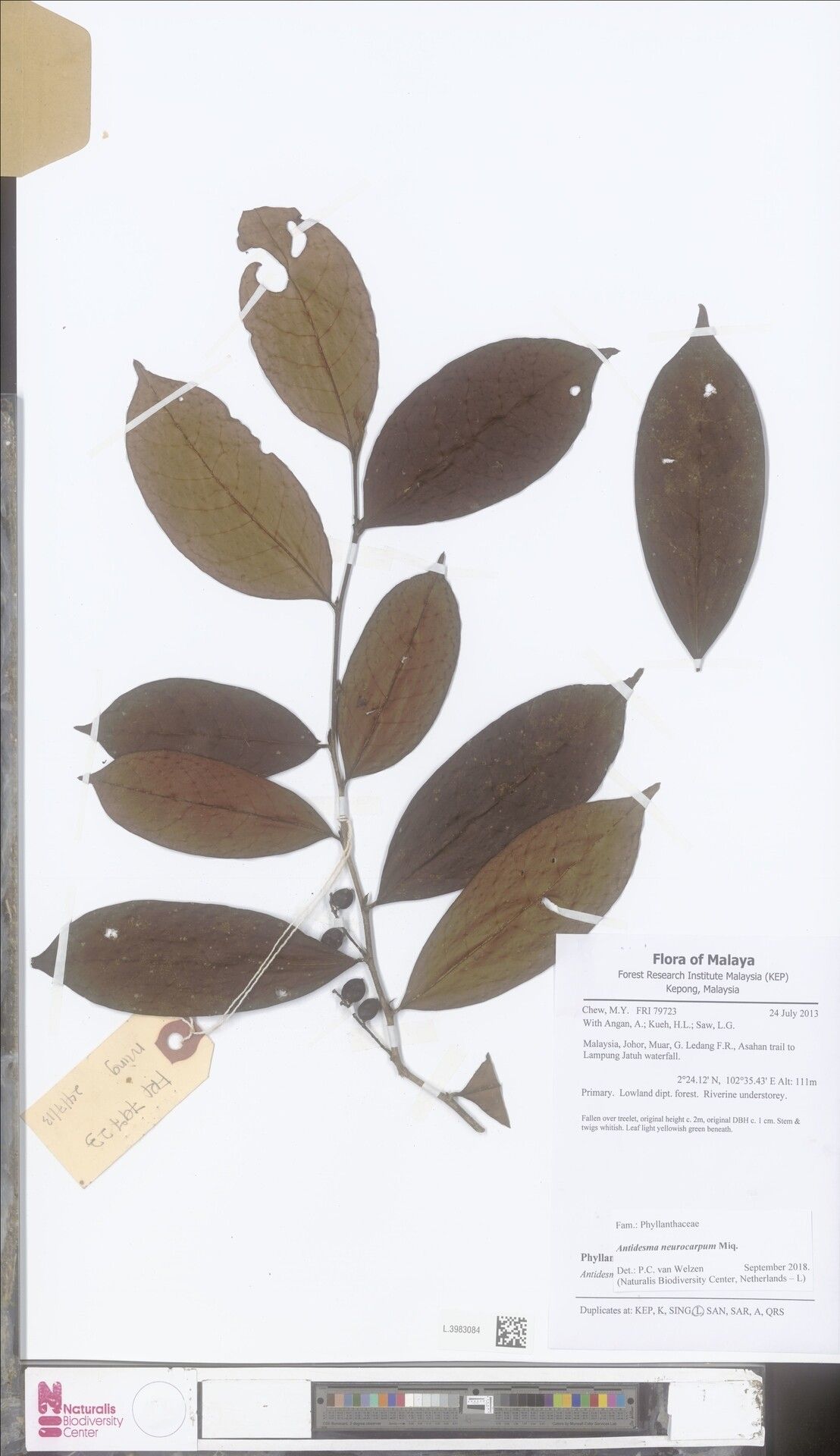
Unlocking the Secrets of Antidesma neurocarpum: A Guide to Propagation
Antidesma neurocarpum, also known as the “Herbert River Cherry” or “Wild Blackcurrant,” is a captivating tropical fruit tree native to Southeast Asia and Australia. With its glossy green foliage, clusters of vibrant red berries, and ability to thrive in warm climates, this lesser-known species has the potential to be a unique and rewarding addition to your edible landscape. But how do you go about growing this intriguing fruit? Let’s delve into the world of Antidesma neurocarpum propagation and unlock its secrets.
Understanding the Basics:
Before we jump into techniques, it’s helpful to understand the plant’s natural reproductive cycle. Antidesma neurocarpum is dioecious, meaning individual trees produce either male or female flowers. For successful fruiting, you’ll need both a male and female tree. The good news is that one male can pollinate several females.
Propagation Methods:
While not commonly available in nurseries, Antidesma neurocarpum can be propagated through two primary methods:
1. Seed Propagation:
- Source: Harvest ripe berries directly from a healthy tree. The berries contain small, hard seeds.
- Preparation: Clean the pulp from the seeds and allow them to dry for a day or two.
- Sowing: Sow seeds in a well-draining seed-starting mix, covering them lightly with soil.
- Environment: Provide warmth (around 75-85°F) and consistent moisture. A seedling heat mat can be beneficial.
- Germination: Be patient! Germination can be erratic, taking anywhere from a few weeks to several months.
- Transplanting: Once seedlings have developed a few sets of true leaves, transplant them into individual pots with well-draining soil.
2. Cutting Propagation:
- Timing: Take cuttings during the active growing season, ideally in spring or early summer.
- Selection: Choose healthy, semi-hardwood stems that are around 4-6 inches long.
- Preparation: Remove leaves from the lower portion of the cutting and make a clean cut below a leaf node.
- Rooting Hormone (Optional): Dipping the cut end in rooting hormone can increase the chances of success.
- Planting: Insert the cuttings into a well-draining rooting medium like perlite or vermiculite.
- Environment: Maintain high humidity by covering the cuttings with a plastic bag or humidity dome. Place them in a warm, bright location out of direct sunlight.
- Rooting: Cuttings should root in 4-8 weeks. You can test for roots by gently tugging on the cutting.
- Transplanting: Once roots have developed, transplant the cuttings into individual pots with well-draining soil.
Tips for Success:
- Soil: Antidesma neurocarpum prefers well-draining soil that is slightly acidic to neutral. A mix of peat moss, perlite, and compost works well.
- Watering: Keep the soil consistently moist but not waterlogged. Allow the top inch of soil to dry out between waterings.
- Sunlight: This species thrives in full sun to partial shade. Provide at least 6 hours of sunlight daily.
- Fertilization: Fertilize established plants regularly throughout the growing season with a balanced fertilizer.
- Pests and Diseases: While relatively pest-free, monitor plants for common issues like scale insects or fungal diseases.
Reaping the Rewards:
Propagating Antidesma neurocarpum takes patience and dedication, but the rewards are well worth the effort. Once established, your trees will grace your garden with their attractive appearance and reward you with a bounty of tart, juicy berries perfect for jams, jellies, and enjoying fresh. So why not embark on this horticultural adventure and introduce this unique fruit to your own backyard?