
Propagating Antirrhinum braun-blanquetii: A Gardener’s Challenge and Reward
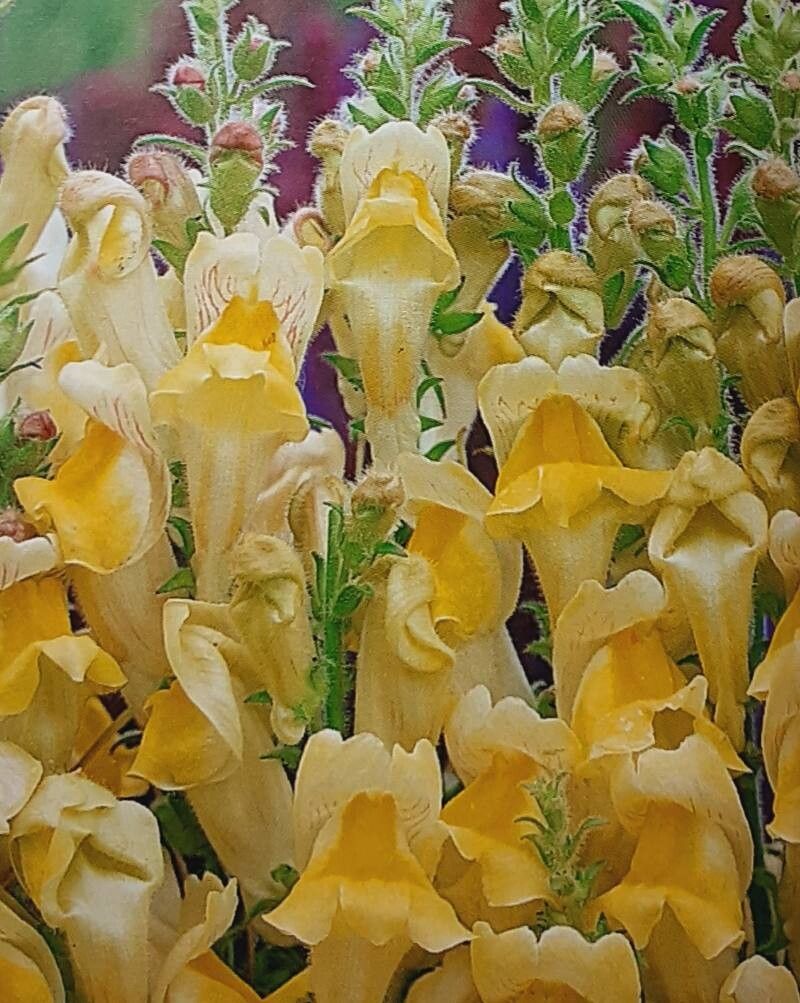
Antirrhinum braun-blanquetii, commonly known as the Braun-Blanquet’s Snapdragon, is a rare and captivating species of snapdragon prized for its unique, slender form and delicate flowers. Unlike its more flamboyant cousins, this species boasts a more restrained elegance, making it a highly desirable addition to rock gardens, alpine houses, and specialist collections. Its propagation, however, presents a unique set of challenges, prompting gardeners to explore various methods with varying degrees of success.
Seed Germination:
Currently, there are no known reliable methods for seed germination propagation of Antirrhinum braun-blanquetii. While some snapdragon species readily propagate from seed, this particular species seems to exhibit low germination rates, if any at all. Further research into specific germination requirements, such as light exposure, temperature, and soil composition, is needed. The lack of readily available seeds also contributes to the difficulty.
Cuttings:
Cuttings offer a more promising avenue for propagation.
Challenges: Success with cuttings requires careful attention to detail. The soft, succulent nature of the stems makes them susceptible to rot. Maintaining high humidity and avoiding excessive moisture is crucial.
Practical Tips: Semi-hardwood cuttings taken in late spring or early summer, approximately 4-6 cm long, are ideal. Remove lower leaves, dip the cut ends in a rooting hormone, and plant them in a well-draining medium such as a mix of perlite and vermiculite. Cover the cuttings with a clear plastic dome or propagator to maintain high humidity. Consistent warmth and bright, indirect light are also essential.
Rewards: Cuttings offer a relatively straightforward method for cloning existing plants, preserving desirable traits and ensuring genetic uniformity.
Division:
Division is not a practical method for propagating Antirrhinum braun-blanquetii. This species generally does not form the dense clumps or rhizomatous structures suitable for division. Attempts at division are unlikely to be successful and could harm the parent plant.
Tissue Culture:
Tissue culture presents a potentially viable, albeit specialized, method.
Challenges: Tissue culture requires a sterile laboratory environment, specialized equipment, and detailed knowledge of plant tissue culture techniques. This approach is far removed from the typical home gardener’s capabilities.
Practical Tips: Successful tissue culture would likely involve sterilizing shoot tips or nodal segments and cultivating them on a nutrient-rich agar medium containing plant growth regulators. Maintaining a sterile environment throughout the process is paramount.
Rewards: Tissue culture allows for rapid and mass propagation of genetically identical plants, opening up possibilities for conservation efforts and wider distribution.
Conclusion:
Propagating Antirrhinum braun-blanquetii presents a unique set of challenges. While seed germination seems currently unfeasible, cuttings offer a practical method for the dedicated home gardener, demanding care and attention. Tissue culture provides the most promising route for large-scale propagation but requires specialized knowledge and equipment. The rewards, however, are substantial: the satisfaction of successfully cultivating this rare and beautiful species is unparalleled. For those willing to dedicate the time and effort, the challenges involved only enhance the sense of accomplishment derived from seeing these delicate snapdragons thrive under your care. Experimentation with different rooting hormones, humidity levels and cutting times is key to increasing success rates with cuttings. Don’t be discouraged by initial setbacks – the unique beauty of Antirrhinum braun-blanquetii makes the effort worthwhile.