
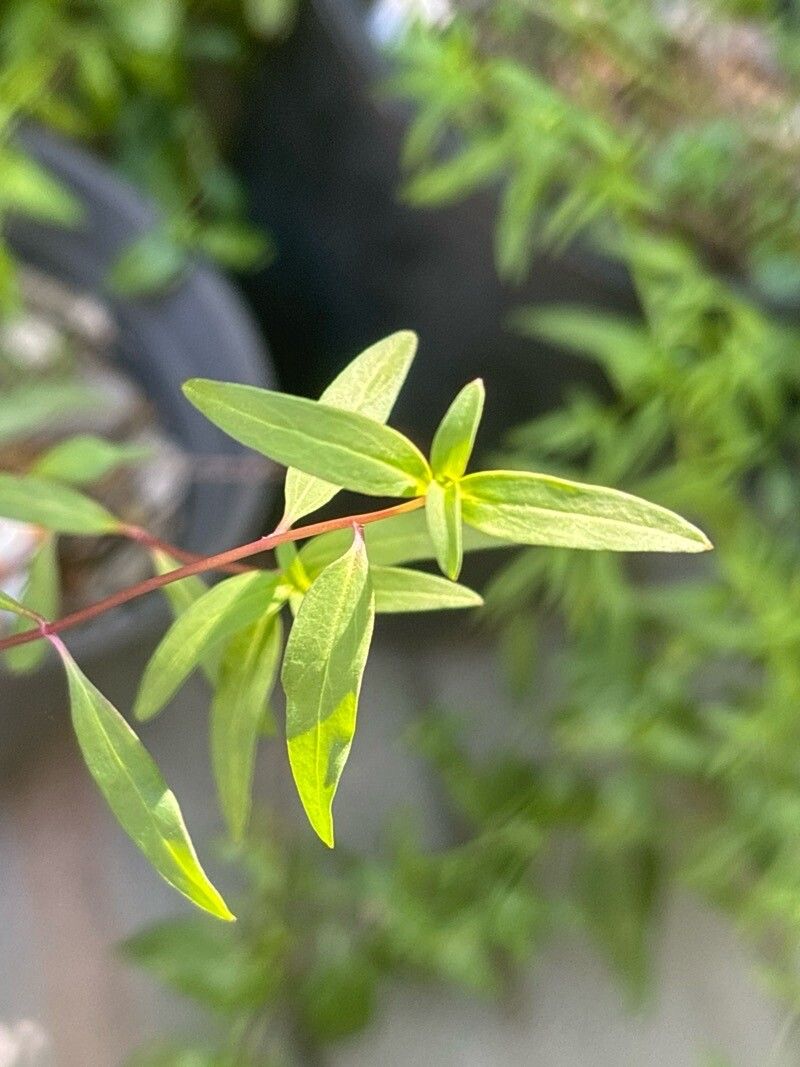
Propagating the Climbing Snapdragon: A Gardener’s Guide to Antirrhinum cirrhigerum
Introduction:
Antirrhinum cirrhigerum, commonly known as the climbing snapdragon or tendril snapdragon, is a captivating climbing perennial with a unique charm. Unlike its more common cousins, this species is a vigorous climber, adorned with slender, tendril-bearing stems that readily attach to supports. Its vibrant flowers, typically a rich purple-pink, add a splash of color to gardens, fences, or walls. Its relatively rare occurrence in cultivation and unique climbing habit make it highly sought after by gardeners, leading to a keen interest in its propagation. However, propagation can present unique challenges due to its specific needs.
Seed Germination:
Currently, there are no known reliable methods for seed germination propagation of Antirrhinum cirrhigerum. While the species produces seed, germination rates are reportedly extremely low and erratic, making seed propagation impractical for most gardeners.
Cuttings:
Challenges: Cuttings are the most commonly successful method for propagating Antirrhinum cirrhigerum. However, even with cuttings, success isn’t guaranteed. The cuttings can be prone to rotting if not handled correctly.
Tips: Take semi-hardwood cuttings in late spring or early summer. Use a sharp, sterile knife or razor blade to obtain cuttings of approximately 4-6 inches in length, removing lower leaves to prevent rotting. Dip the cut ends in a rooting hormone powder before planting in a well-draining seed-starting mix. Maintain high humidity using a propagation dome or plastic bag. Place the cuttings in a bright location out of direct sunlight. Regular misting is crucial to maintain moisture levels.
Rewards: This method offers a relatively quick and straightforward way to obtain genetically identical plants to the parent plant. It’s ideal for preserving desirable traits.
Division:
Challenges: Division of Antirrhinum cirrhigerum is rarely successful due to the plant’s relatively shallow and delicate root system. Attempts at splitting the root ball often result in damage and subsequent failure to establish new plants.
Tips: If attempting division, this should only be done in spring when the plant is actively growing. Handle the root ball very gently, trying to separate it with as little damage as possible. Replant immediately with care, maintaining good soil moisture, and providing shade to reduce transplant shock.
Rewards: If successful, division can swiftly increase the number of plants available, but success rate is low.
Tissue Culture:
Challenges: Tissue culture is a complex and specialized method requiring specialized equipment and sterile conditions. It’s generally not feasible for home gardeners.
Tips: Laboratory-based tissue culture techniques, using sterile media and growth regulators, are theoretically possible but haven’t been widely explored for this specific species. Success would require expertise in plant tissue culture and access to suitable labs and equipment.
Rewards: Tissue culture offers the potential for large-scale propagation and disease-free plants.
Conclusion:
Propagating Antirrhinum cirrhigerum presents unique challenges across all methods. While cuttings offer the most reliable path to success, patience and attention to detail remain critical. Seed propagation is largely unsuccessful, and division is often detrimental. Tissue culture is a complex option best left to skilled specialists. The rewards, however, are significant for the devoted gardener. The satisfaction of successfully cultivating this unusual and beautiful climbing snapdragon, after navigating the hurdles of propagation, makes the effort richly rewarding. Don’t be discouraged by initial setbacks – diligent effort and careful observation will greatly increase your chance of success with cuttings. Embrace the learning process, and enjoy the beauty of your well-earned plants.