
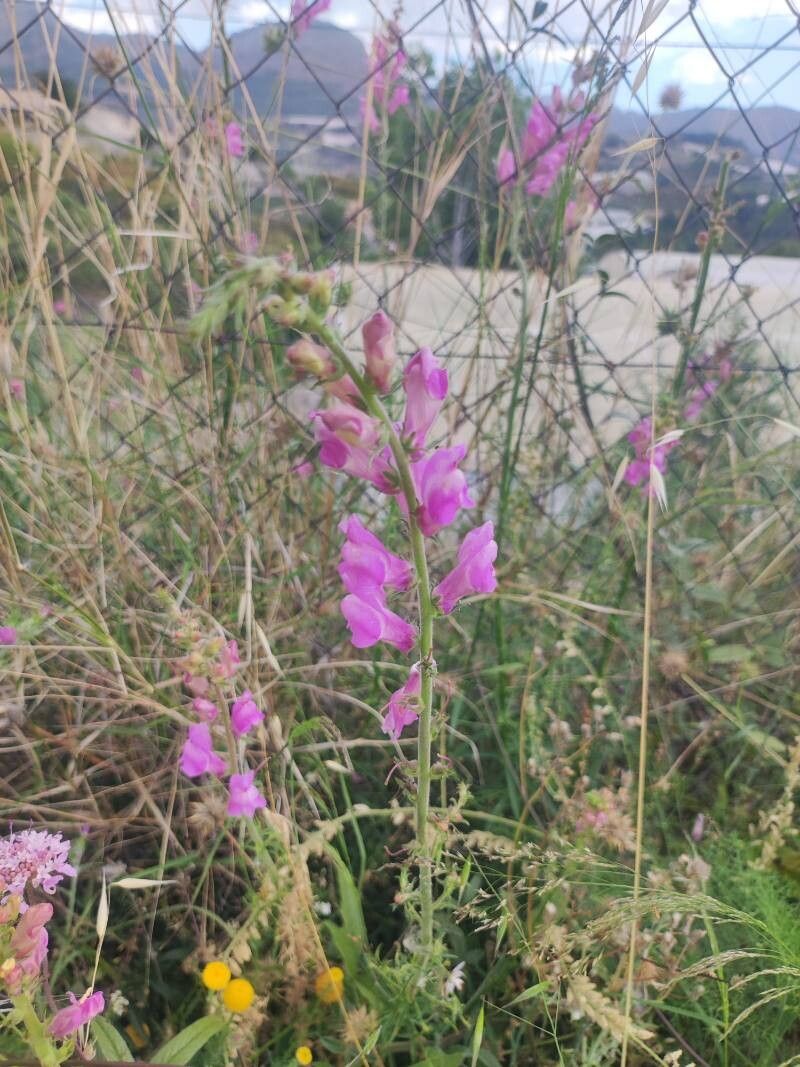
Unlocking the Secrets to Multiplying Your Antirrhinum controversum: A Propagation Primer
Antirrhinum controversum, a name that might sound like a tongue twister, hides the familiar charm of a wildflower beloved for its delicate beauty. Known more commonly as the Iberian Snapdragon or the Tunica-flowered Snapdragon, this Mediterranean native captivates with its slender stems adorned with clusters of petite, whimsical blossoms. If you’ve been admiring this plant and wishing for a whole garden full, you’re in luck! Propagating Antirrhinum controversum is an achievable feat for even novice gardeners. Let’s dive into the how-tos and unveil the secrets of multiplying your floral treasures.
Two Paths to Propagation
The journey to propagating Antirrhinum controversum offers two exciting paths:
Seed Starting: A Dance with Patience
- Sourcing Seeds: Your adventure begins with acquiring seeds, which can be collected from existing plants once the flowers fade and seed pods develop or purchased from reputable suppliers.
- Sowing the Seeds: Sow the seeds in late winter or early spring in a well-draining seed starting mix. Lightly press the seeds onto the surface, as they require light for germination.
- Creating the Ideal Environment: Maintain a consistent temperature of 65-70°F (18-21°C) and ensure the soil remains consistently moist but not waterlogged.
- Germination Triumph: Within a few weeks, you’ll be rewarded with tiny seedlings! Once they have a couple of sets of true leaves, carefully transplant them into individual pots to allow for further root development.
Taking Cuttings: Cloning your Favorite Blooms
- Timing is Key: The best time for taking cuttings is in the spring or early summer when the plant is actively growing.
- Choosing the Right Stem: Select a healthy, non-flowering stem, approximately 3-4 inches long.
- Making the Cut: Using clean, sharp scissors or pruning shears, make a cut just below a leaf node (the point where a leaf attaches to the stem). Remove the lower leaves, leaving only a few at the top.
- Encouraging Root Growth: Dip the cut end in rooting hormone (optional but helpful), and then plant the cutting in a pot filled with well-draining potting mix.
- Creating a Humid Haven: To create a humid environment conducive to root development, enclose the pot in a clear plastic bag or use a propagation dome.
- Patience, Young Padawan: Rooting can take several weeks. Once you see new growth, your cutting has successfully rooted and can be gradually acclimated to normal conditions before transplanting.
Caring for your New Progeny
Whether you choose seeds or cuttings, once your Antirrhinum controversum plants are established, they are relatively low maintenance. Provide them with:
- Well-Drained Soil: Excess moisture is the enemy, so ensure their growing medium allows for good drainage.
- Ample Sunlight: These sun-lovers thrive in at least six hours of sunlight per day.
- Regular Watering: Keep the soil consistently moist but not waterlogged. Water deeply when the top inch of soil feels dry to the touch.
- Deadheading for Continuous Blooms: Regularly remove spent flowers to encourage new blooms and prolong the flowering season.
Propagating Antirrhinum controversum is a rewarding endeavor. So, roll up your sleeves, channel your inner plant parent, and prepare to be amazed as you witness the magic of new life unfold in your own garden. With a little patience and care, you’ll have a flourishing colony of these captivating wildflowers to brighten your days.