
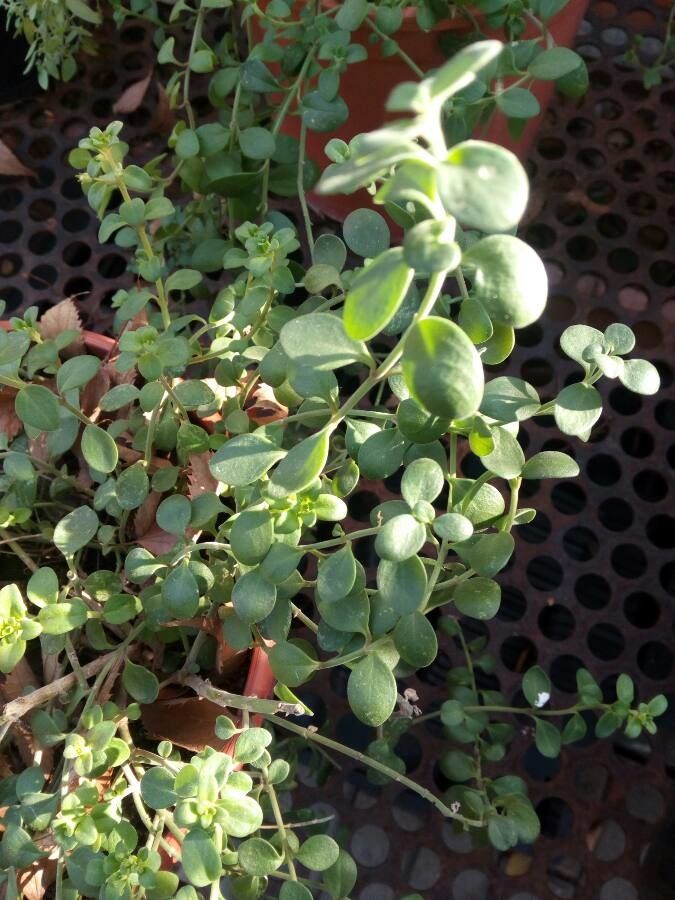
Propagating Antirrhinum pertegasii: A Gardener’s Challenge
Introduction
Antirrhinum pertegasii, commonly known as the Iberian Snapdragon, is a captivating species within the Antirrhinum genus. Distinguished by its slender habit, vibrant flowers, and tolerance to dry conditions, it holds a special place among rock garden enthusiasts and those seeking drought-tolerant landscaping options. Its unique characteristics, however, present certain challenges when it comes to propagation, making successful cultivation a rewarding feat. This article explores various propagation methods for Antirrhinum pertegasii, examining both their feasibility and effectiveness.
Seed Germination
Currently, there are no known reliable methods for seed germination propagation of Antirrhinum pertegasii. While some Antirrhinum species readily propagate from seed, this particular species appears recalcitrant to this approach. Further research is needed to determine if specific stratification techniques or other germination treatments might yield success.
Cuttings
Cuttings offer a more promising approach to propagating Antirrhinum pertegasii.
Challenges: The success rate can be moderate, depending on the timing and technique. Using semi-hardwood cuttings taken during late spring or early summer is deemed to be best.
Practical Tips: Take cuttings approximately 4-6 inches long, removing the lower leaves to prevent rot. Dip the cut ends in rooting hormone and plant them in a well-draining, moist propagation mix (e.g., a mix of perlite and peat moss). Maintain high humidity using a humidity dome or plastic bag. Place the cuttings in a bright, but shaded, location to avoid direct sunlight.
Rewards: Cuttings offer a relatively quick method for propagating clones, ensuring the preservation of desirable traits from the parent plant. This is particularly advantageous if you have a rare or exceptional specimen.
Division
Division is generally not a viable method for propagating Antirrhinum pertegasii. This species typically grows as a relatively small, non-clumping plant, lacking the extensive root system necessary for successful division. Attempts at division are likely to result in significant stress and plant mortality.
Tissue Culture
Tissue culture presents a potentially highly effective, albeit specialized, technique for propagating Antirrhinum pertegasii.
Challenges: Tissue culture requires specialized equipment, a sterile environment, and specific knowledge of plant tissue culture techniques. It is not a beginner-friendly approach.
Practical Tips: Successful tissue culture necessitates the use of a nutrient-rich medium, suitable plant growth regulators (such as auxins and cytokinins), and strict aseptic conditions to prevent contamination. Protocols would need to be developed specifically for Antirrhinum pertegasii, as established techniques for other Antirrhinum species may not prove effective.
Rewards: Tissue culture offers the potential to rapidly produce a large number of genetically identical plants. This method is particularly advantageous for large-scale propagation and conservation efforts.
Conclusion
Propagating Antirrhinum pertegasii presents a unique set of challenges, with cuttings currently proving the most readily achievable method for the average gardener. While seed germination and division appear less feasible, tissue culture offers a potentially valuable tool for large-scale propagation and the preservation of this species. The effort involved, however, is substantial. The unique gratification of successfully propagating this elegant species, overcoming its propagation challenges, is a testament to a gardener’s patience and dedication, highlighting the special connection between cultivator and plant. For aspiring propagators, we encourage persistence, experimentation, and thorough research—the rewards of successfully cultivating this beautiful Iberian snapdragon are certainly worth the endeavor.