
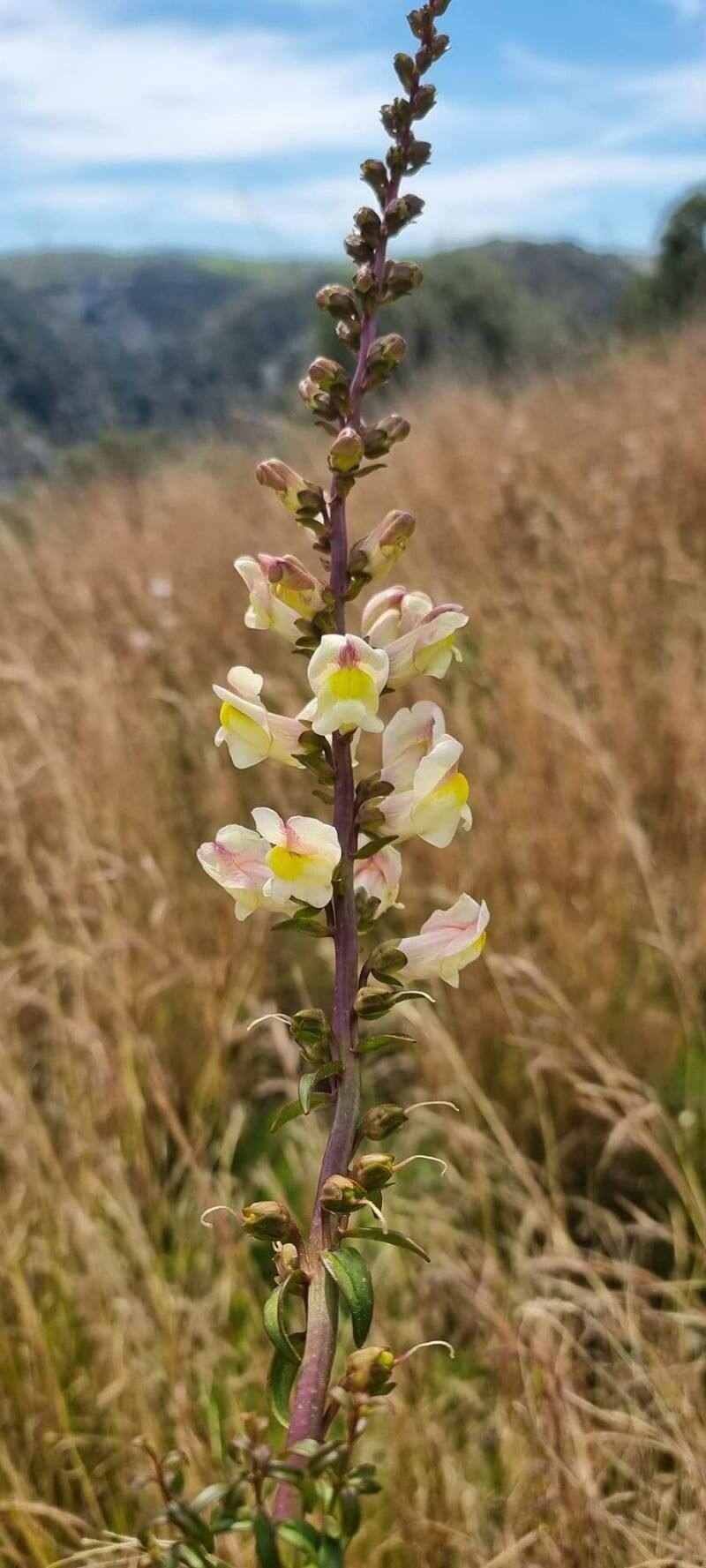
Unlocking the Secrets of Sicilian Snapdragon: A Beginner’s Guide to Propagation
The Sicilian Snapdragon (Antirrhinum siculum) is a stunningly unique wildflower with captivating beauty and a fascinating history. But beyond its aesthetic appeal, it’s a plant that begs to be shared. If you’re seeking to cultivate this enchanting bloom in your own garden, propagation is the key.
This blog post serves as your comprehensive guide to unlocking the secrets of Sicilian Snapdragon propagation, tailored for both novice and experienced gardeners. We’ll delve into various techniques, equipping you with the knowledge to successfully cultivate this charming flower from seed to bloom.
Getting Started: Understanding the Basics
Before we dive into the specifics, let’s lay the groundwork. Propagation involves creating new plants from existing ones. For Antirrhinum siculum, two primary methods are commonly employed:
Seed Propagation: This involves starting from seeds, allowing you to cultivate a large number of plants with minimal cost.
- Cuttings Propagation: This technique involves taking cuttings from an existing plant and encouraging them to develop roots.
Seed Propagation: Bringing New Life from Seed
Starting from seed is a popular and effective method for Sicilian Snapdragon propagation. It allows you to enjoy a multitude of plants in various colors and varieties. Here’s a step-by-step guide:
Sowing Time: The optimal time for sowing seeds is in early spring, when temperatures have warmed.
Soil Preparation: Choose a well-drained potting mix specifically designed for seedlings. Fill seed trays or pots with the mix and gently press the surface.
Sowing: Scatter seeds thinly over the surface, ensuring adequate spacing for growth. Gently cover the seeds with a thin layer of soil.
Moisture and Light: Water the seeds thoroughly but gently to avoid dislodging them. Place the trays in a bright location, free from direct sunlight, and maintain consistent moisture.
Germination: With proper conditions, seedlings should emerge within 10-14 days.
Thinning: Once seedlings have several true leaves, thin them out, leaving the strongest ones to flourish.
- Hardening Off: Prior to transplanting, gradually acclimate the seedlings to outdoor conditions by exposing them to increasing periods of sunlight and wind.
Cuttings Propagation: Replicating Success with Ease
For a faster and more efficient propagation process, cuttings offer a reliable alternative. Cuttings can be taken from healthy and established plants.
Selection: Choose healthy, non-flowering stems. Cuttings should be about 4-6 inches long.
Preparation: Using a sharp knife or pruning shears, make a clean cut just below a node (where leaves grow).
Root Hormones: To encourage root formation, dip the cut end of the cutting into a rooting hormone powder.
Planting: Insert the cutting into a pot filled with a well-draining potting mix. Gently press the surrounding soil around the base of the cutting to secure it.
Care: Keep the cuttings moist and in a shaded location. A clear plastic bag placed over the cutting can help maintain humidity.
- Rooting Time: With proper care, roots should develop in 2-4 weeks.
Tips for Success
Light: Sicilian Snapdragons thrive in full sun to partial shade. Choose a location with adequate sunlight for optimal growth.
Watering: Water deeply and consistently, allowing the soil to dry slightly between waterings. Avoid overwatering, as this can lead to root rot.
Fertilization: Apply a balanced fertilizer every few weeks to promote healthy growth.
- Deadheading: Regularly remove spent flowers to encourage continuous blooming.
In Conclusion
Whether you choose the rewarding challenge of seed propagation or the speed and ease of cuttings, cultivating a Sicilian Snapdragon from scratch is a fulfilling experience. By following these guidelines, you can create a vibrant display of these beautiful flowers, bringing a touch of the Mediterranean to your garden. Remember to be observant, patient, and enjoy the process, as each step brings you closer to blooming success.