
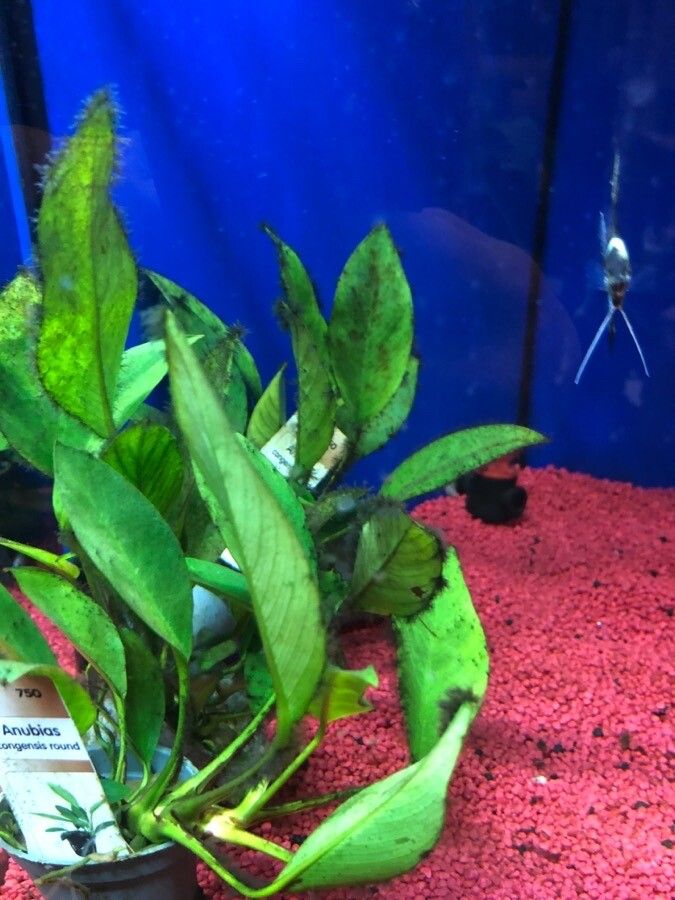
Propagating Anubias heterophylla: A Guide for Aquatic Enthusiasts
Introduction:
Anubias heterophylla, also known as the "Lance-leaved Anubias," is a popular aquatic and semi-aquatic plant prized for its hardy nature and attractive, lance-shaped leaves. Its tolerance for low light conditions and a wide range of water parameters makes it a favorite among aquarium hobbyists and pond enthusiasts. While relatively slow-growing, this robustness contributes to its appeal; once established, Anubias heterophylla requires minimal maintenance. However, its slow growth rate also presents a challenge when aiming for larger quantities of the plant. Propagation methods, therefore, are crucial for expanding your stock or sharing this beautiful species. Unlike many other aquatic plants, Anubias heterophylla rarely produces viable seeds, making vegetative propagation the primary method.
Seed Germination:
Currently, there are no known reliable methods for seed germination propagation of Anubias heterophylla. While the plant does flower under specific conditions, seed production is extremely rare in cultivation and the resulting seeds, if any, rarely germinate.
Cuttings:
Challenges: Propagating Anubias heterophylla from cuttings is relatively straightforward but slow. The plant’s slow growth rate means that even successfully propagated cuttings will take time to mature into sizeable plants. Incorrectly placed cuttings can also rot before rooting.
Practical Tips: The best method utilizes stem cuttings. Select a healthy stem with several nodes (the points where leaves emerge). Using a clean, sharp knife or scissors, cut a section of the stem, ensuring at least two nodes are included. Plant the cutting directly into a substrate (aquarium gravel, for instance) or attach it to hardscape (rock or wood) using fishing line or plant glue. Ensure that at least one node is submerged, but avoid burying the entire cutting. Sufficient light and stable water parameters are crucial for successful rooting.
- Rewards: While slow, this method is simple and reliable. It allows for the creation of multiple plants from a single parent plant, increasing your stock gradually. It maintains the genetic uniformity of the parent plant.
Division:
Challenges: Division is a more aggressive approach than cuttings. The rhizome (underground stem) needs to be carefully divided to avoid damaging the plant. Each division must have a healthy portion of rhizome with several healthy leaves and roots, which can be challenging with smaller plants.
Practical Tips: Gently remove the Anubias heterophylla from its substrate. Using a clean, sharp knife or scissors, carefully divide the rhizome into sections with at least two or three leaves attached to each. Ensure each division has healthy roots. Replant each division immediately, making sure the rhizomes are not buried too deep.
- Rewards: This is a faster method of increasing the number of plants compared to cuttings, especially when working with large, established plants. It’s also generally a less stressful method for the parent plant than other propagation methods.
Tissue Culture:
Challenges: Tissue culture is a complex laboratory-based method requiring specialized equipment, sterile environments, and expertise in plant tissue culture techniques. It’s not a method suitable for home hobbyists.
Practical Tips: This method involves sterilely excising small pieces of plant tissue and growing them in a nutrient-rich medium under controlled conditions. It enables rapid and large-scale propagation of genetically identical plants.
- Rewards: Potentially, this is the fastest method for large-scale propagation, though the cost and expertise required limit its applicability to commercial nurseries or advanced hobbyists.
Conclusion:
Propagating Anubias heterophylla presents several challenges, primarily its slow growth rate and the difficulty in seed germination. Cuttings and division offer practical and relatively simple methods for home aquarists, while tissue culture remains a specialist technique. The rewards however, are well-worth the effort. Successfully propagating this durable and attractive plant delivers a satisfying sense of accomplishment, highlighting the patience and attention to detail required in plant cultivation. With careful observation and the right techniques, even beginners can master this rewarding process, expanding their aquatic landscapes one Anubias heterophylla at a time.