
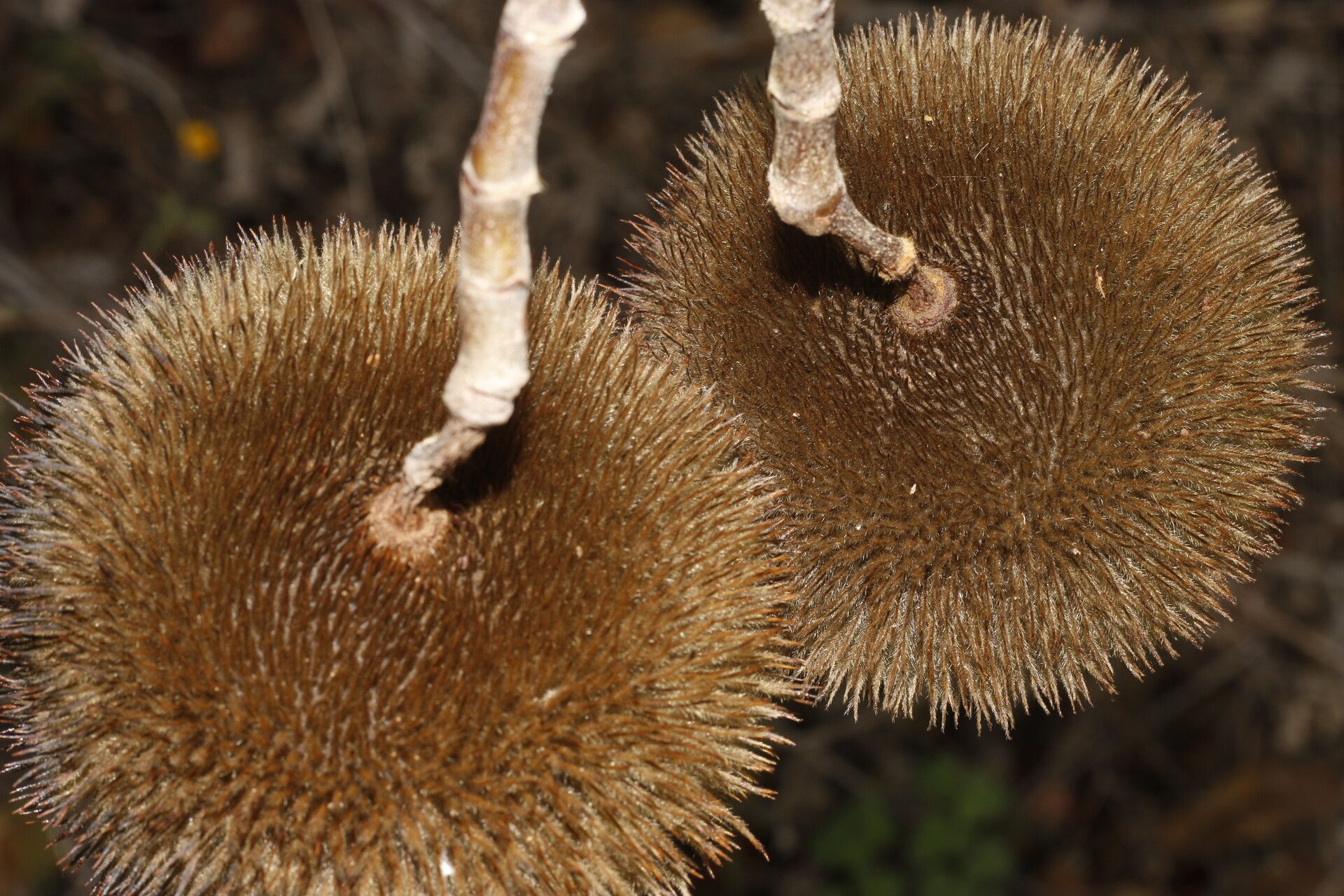
Propagating the "Tibourbou": A Gardener’s Guide to Apeiba tibourbou
Apeiba tibourbou, commonly known as Tibourbou, is a fascinating tropical tree prized for its distinctive bark, attractive foliage, and ecological importance. Its smooth, grey bark, often adorned with striking lenticels, creates a textural contrast to its heart-shaped leaves. This relatively fast-growing tree holds horticultural significance for its potential as an ornamental plant in tropical and subtropical gardens, as well as its role in reforestation projects. Its propagation, however, presents a unique set of challenges, making successful cultivation a rewarding endeavor for even experienced gardeners.
Seed Germination:
Currently, there are no known reliable methods for seed germination propagation of Apeiba tibourbou. While seeds may be produced, their viability and germination rate are reportedly very low, making this method impractical for successful propagation. Further research is needed to determine if pre-treatment techniques (such as scarification or stratification) could improve germination success.
Cuttings:
Cuttings offer a potentially more reliable method for propagating Apeiba tibourbou. However, challenges remain.
Challenges: The success rate of cuttings is influenced by several factors, including the timing of the cutting (ideally during periods of active growth), the type of cutting (semi-hardwood cuttings are likely to yield better results), and the use of rooting hormone. The susceptibility to fungal diseases during the rooting phase also poses a significant hurdle.
Practical Tips: Use semi-hardwood cuttings taken from healthy, actively growing shoots. Treat the cut ends with a rooting hormone and plant them in a well-draining, sterile propagation mix (e.g., perlite and peat moss). Maintain high humidity using a propagator or plastic bag, and ensure consistent moisture without overwatering. Regularly monitor for signs of fungal infections and treat promptly if needed.
Rewards: Successful propagation via cuttings allows for the replication of desirable traits from parent plants, offering a faster method of increasing numbers compared to seed propagation (if it were viable).
Division:
Division is not a viable propagation method for Apeiba tibourbou, as it is a tree with a single, established root system. The disruption caused by attempting division would likely severely damage and kill the plant.
Tissue Culture:
Tissue culture offers a potentially promising avenue for Apeiba tibourbou propagation.
Challenges: Establishing a reliable tissue culture protocol requires specialized knowledge, equipment, and a sterile environment free from contamination. Identifying appropriate media formulations and growth regulators that stimulate shoot and root development in Apeiba tibourbou is crucial and may necessitate extensive experimentation.
Practical Tips: Successful tissue culture requires expertise in plant tissue culture techniques. Collaborating with a tissue culture laboratory or experienced professionals is highly advised.
Rewards: Tissue culture offers the potential for mass propagation, producing a large number of genetically identical plants in a relatively short time. This is particularly valuable for conservation efforts and large-scale planting projects.
Conclusion:
Propagating Apeiba tibourbou presents considerable challenges across all examined methods. While seed propagation appears unreliable, cuttings offer a possible but still challenging alternative, needing careful attention to technique and environmental conditions. Tissue culture holds the most potential for large-scale propagation but requires specialized knowledge and resources. The rewards, however, are substantial: the opportunity to cultivate this unique and beautiful tree in gardens, contribute to its conservation, and experience the immense satisfaction of overcoming the propagation hurdles. For aspiring propagators, persistence, careful observation, and a willingness to learn from both successes and failures are key to achieving success with this fascinating species. Don’t be discouraged by the initial difficulties; the unique beauty of a successfully propagated Tibourbou makes the effort well worthwhile.