
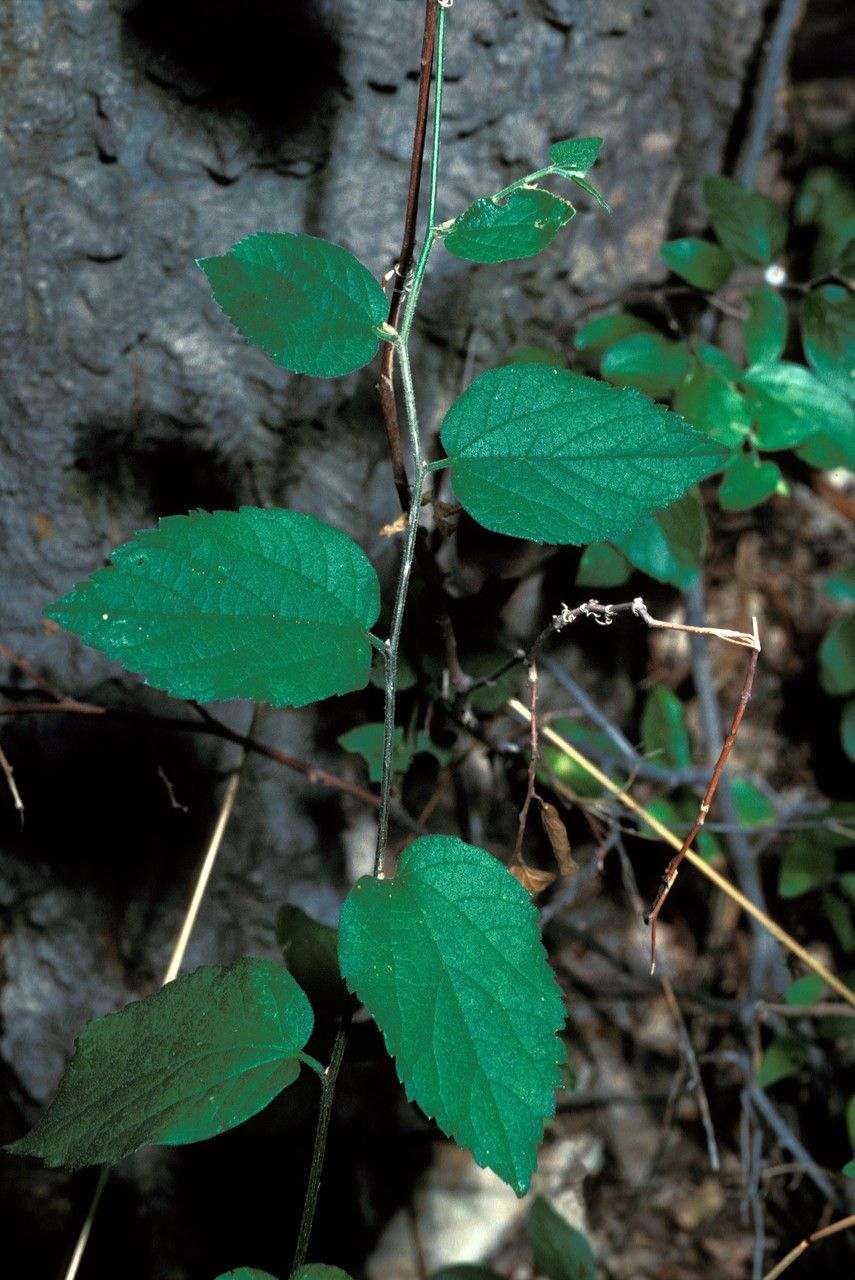
From Seed to Sapling: Propagating the Elegant Aphananthe cuspidata
Aphananthe cuspidata, also known as the “Toothleaf Nettletree”, is a beautiful and unique tree that can add a touch of elegance to any landscape. Its graceful, spreading branches, glossy leaves, and attractive fruits make it a popular choice for homeowners and gardeners alike. But did you know that you can easily propagate Aphananthe cuspidata yourself, ensuring a flourishing new generation of these stunning trees?
This blog post will guide you through the fascinating world of Aphananthe cuspidata propagation, detailing the methods that will have you nurturing your own saplings in no time.
Exploring Propagation Methods
Aphananthe cuspidata can be propagated through a few key methods. Let’s delve deeper into each one:
1. From Seed:
- Harvesting Seeds: Fall is the prime season for collecting Aphananthe cuspidata seeds. Look for mature fruits that have turned dark purple or black. Carefully extract the seeds from the fruit and clean them thoroughly.
- Stratification: For successful germination, the seeds require cold stratification. This simulates the natural cold period experienced by seeds in the wild. Place the seeds in a sealed container filled with moist vermiculite or peat moss and refrigerate them for 3-4 months.
- Sowing: After stratification, sow the seeds in a well-drained seed tray filled with seed-starting mix. Cover them lightly with soil and maintain a warm and humid environment. Germination usually takes 2-4 weeks.
2. Cuttings:
- Taking Cuttings: The best time to take cuttings from Aphananthe cuspidata is during the late spring or early summer. Choose healthy, non-flowering stems with strong shoots. Use a sharp knife or pruning shears to take 4-6 inch cuttings, ensuring each cutting has at least 2-3 leaf nodes.
- Preparing Cuttings: Remove the leaves from the bottom inch of each cutting and dip the cut end in rooting hormone.
- Rooting: Plant the treated cuttings in a well-drained rooting medium, such as a mix of peat moss and perlite, and place them in a warm, humid environment. You can also use a rooting hormone solution to encourage root development.
- Care: Keep the cuttings consistently moist but not waterlogged. Root development can take several weeks, and when you see new growth, you know the cuttings are successfully rooted.
3. Air Layering:
- Choosing a Branch: Select a healthy, flexible branch with a diameter of about 1-2 inches. Ensure the branch has plenty of leaves and is positioned away from the main trunk.
- Making the Cut: Make a ring cut around the branch, about 1-2 inches wide. Remove a small strip of bark from the area below the cut. This encourages root development.
- Wrapping the Branch: Apply rooting hormone to the exposed area and wrap it with damp sphagnum moss, securing it with plastic wrap.
- Maintaining Moisture: Ensure the moss stays moist consistently. Roots will emerge within several weeks or a few months, indicating successful air layering.
Choosing the Right Propagation Method
The best propagation method for Aphananthe cuspidata depends on your individual preference, the availability of materials, and your desired outcome. While seeds offer a more cost-effective option, cuttings offer faster results. Air layering is a less common technique but can be particularly useful for obtaining a specific branch or cultivar.
Nurturing Your New Trees:
Once your Aphananthe cuspidata saplings have established roots, it is crucial to provide them with suitable conditions for healthy growth. They prefer well-drained soil, full sun to partial shade, and regular watering, especially during the first year.
With a little patience and effort, anyone can successfully propagate Aphananthe cuspidata. By understanding the basics of each propagation method, you can enjoy the satisfaction of nurturing these unique and beautiful trees from their very beginnings. They will reward you with their elegant presence and graceful growth, adding a touch of charm to your landscape for years to come.