
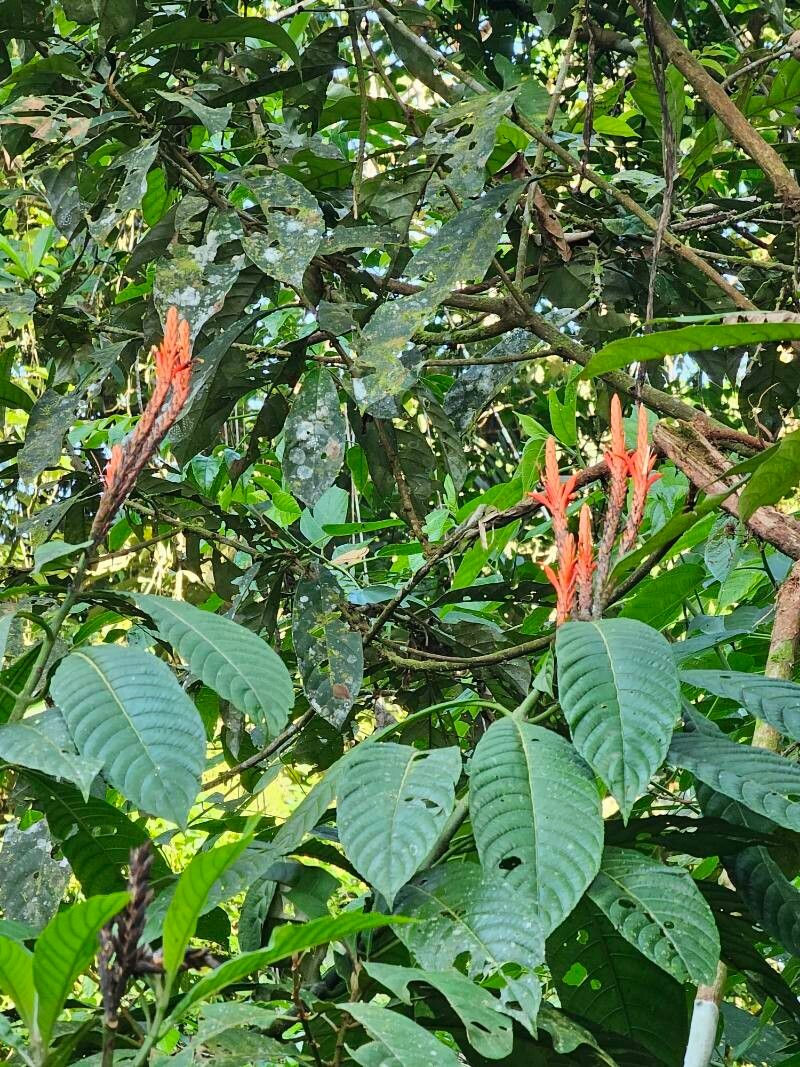
Propagating the Zebra Plant: A Guide to Cultivating Aphelandra lingua-bovis
Introduction:
Aphelandra lingua-bovis, commonly known as the Zebra Plant, is a striking evergreen shrub prized for its vibrantly-colored, lanceolate leaves adorned with prominent, silvery-white veins resembling zebra stripes. Its relatively compact size and unique foliage make it a popular choice for houseplants and container gardens. Successful propagation, however, presents some challenges, making the achievement all the more rewarding. This article explores the various methods for propagating Aphelandra lingua-bovis, outlining both the successes and difficulties associated with each.
Seed Germination:
Currently, there are no known reliable methods for seed germination propagation of Aphelandra lingua-bovis. While the plant does produce seeds, germination rates are extremely low even under optimal conditions, and reliable protocols for successful germination remain elusive. Research into specific germination requirements is needed.
Cuttings:
Challenges: Cuttings represent the most common and relatively successful method for propagating Aphelandra lingua-bovis. However, the rooting process can be slow and prone to fungal diseases if not meticulously managed. The plant’s vulnerability to root rot necessitates careful attention to hygiene and moisture levels.
Practical Tips: Semi-hardwood cuttings, taken in spring or early summer from healthy, non-flowering stems, are ideal. Cuttings should be approximately 4-6 inches long, with the lower leaves removed. Dip the cut ends in rooting hormone before planting in a well-draining, sterile propagation mix (e.g., perlite and peat moss). Maintain high humidity (e.g., using a propagation dome or plastic bag) and consistent warmth (around 70-75°F). Bottom heat can significantly improve rooting success. Regular misting, ensuring adequate moisture without overwatering, is crucial.
Rewards: Cuttings offer a relatively straightforward way to increase the number of plants, preserving the characteristics of the parent plant.
Division:
Challenges: Division is only feasible for mature, well-established plants. Care must be taken not to damage the delicate root system, which can significantly impact the plant’s survival. The success rate can vary depending on the size and health of the plant.
Practical Tips: Divide the plant during spring or early summer, carefully separating the root ball into sections, each containing healthy roots and stems. Plant each division in its own pot using a well-draining potting mix. Water thoroughly after repotting and provide a shaded environment until the plants re-establish themselves.
Rewards: Division allows for a quick increase in the number of mature plants, potentially resulting in flowering sooner compared to propagation through cuttings.
Tissue Culture:
Challenges: Tissue culture propagation, while capable of producing a large number of plants, often requires specialized equipment, expertise, and a sterile laboratory setting. It can be expensive and time-consuming.
Practical Tips: Protocols for successful Aphelandra lingua-bovis tissue culture are not widely available in the literature. They would likely involve establishing sterile cultures from shoot tips or nodal segments on appropriate media containing plant growth regulators.
Rewards: Tissue culture offers opportunities for large-scale propagation and the potential for disease elimination, resulting in healthier, consistent plants.
Conclusion:
Propagating Aphelandra lingua-bovis presents unique challenges across all methods. While seed germination appears unfeasible, cuttings, division, and tissue culture offer varying degrees of success, each with its own set of difficulties and rewards. Cuttings provide the most accessible route for home propagators, demanding patience, attention to detail, and consistent monitoring but offer a high chance of success. The satisfaction of witnessing a cutting root and grow into a vibrant Zebra Plant, however, far outweighs the challenges inherent in the process. For those seeking to successfully cultivate this stunning plant, remember that meticulous attention to hygiene, humidity, and moisture levels are paramount. Don’t be discouraged by initial setbacks; the beauty of a thriving Aphelandra lingua-bovis is well worth the effort.