
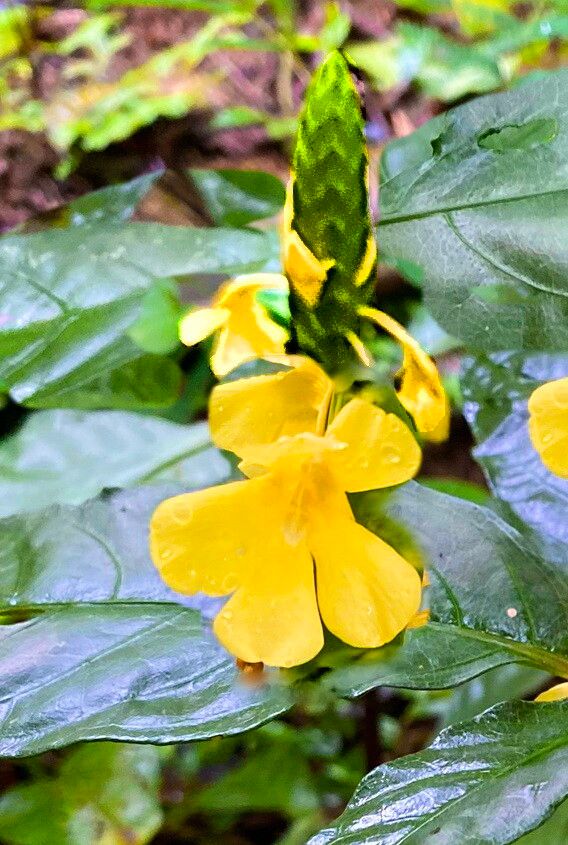
Propagating the Zebra Plant: A Guide to Aphelandra prismatica
Aphelandra prismatica, commonly known as the Zebra Plant, is a captivating houseplant prized for its striking foliage. Its vibrant green leaves are adorned with prominent, silvery-white veins resembling zebra stripes, earning it its common name. This relatively easy-to-care-for plant has gained significant popularity among indoor gardeners, but its relatively slow growth rate makes propagation a desirable skill for enthusiasts wanting to expand their collection or share this beauty with others. However, propagating Aphelandra prismatica presents unique challenges and rewards compared to other houseplants.
Seed Germination:
Currently, there are no known reliable methods for seed germination propagation of Aphelandra prismatica. While the plant does produce seeds, successful germination rates are extremely low, even under controlled laboratory conditions. The challenges are largely attributed to the complex seed dormancy mechanisms and the specific environmental requirements for successful germination, which are not fully understood. Therefore, focusing on vegetative propagation methods is far more practical for home gardeners and hobbyists.
Cuttings:
Cuttings are the most reliable and commonly used method for propagating Aphelandra prismatica.
Challenges: The main challenge lies in rooting the cuttings efficiently. Aphelandra prismatica cuttings are prone to rot if not treated with appropriate care, particularly if humidity is too high.
Tips: Take 4-6 inch stem cuttings from healthy, actively growing stems, preferably in spring or early summer. Remove the lower leaves to prevent rotting and dip the cut end in rooting hormone. Plant the cuttings in a well-draining, moist potting mix (a mix of perlite and peat moss works well), maintaining high humidity (using a propagation dome or humidity tray is recommended). Keep the cuttings in a warm, bright location (indirect sunlight) and avoid overwatering. Rooting typically takes 4-6 weeks.
Rewards: Cuttings offer a simple, relatively quick method to create genetically identical copies of the parent plant, preserving its desirable traits. This method is ideal for large-scale propagation if the parent plant is particularly desirable.
Division:
Division is a viable method, but limited to mature, well-established plants.
Challenges: Carefully and cleanly dividing the root ball without damaging the plant significantly is crucial. Overly aggressive division can severely stress the plant, resulting in poor establishment and even plant death. Furthermore, mature Aphelandra prismatica plants may not readily divide, limiting this propagation method’s effectiveness.
Tips: Divide the plant only when it’s actively growing and the root system is well-developed. Use a sharp, clean knife or trowel to separate the plant into smaller sections, ensuring each section has a healthy root system and sufficient foliage. Repot the divisions immediately into a fresh, well-draining potting mix.
Rewards: Similar to cuttings, division produces genetically identical offspring. It can be a relatively quick method for increasing the number of plants, provided the parent plant is suitable for division.
Tissue Culture:
Tissue culture offers the potential for rapid and large-scale propagation, but it requires specialized equipment, sterile techniques, and a considerable amount of expertise.
Challenges: Establishing a sterile environment and mastering the intricate techniques of tissue culture is technically demanding. The equipment and media required can be costly, making it an impractical option for most home gardeners.
Tips: This method typically involves culturing small pieces of plant tissue (e.g., stem segments, leaf explants) on a nutrient-rich agar medium under sterile conditions. The success rate depends heavily on the aseptic techniques, proper nutrient formulation, and the expertise of the propagator.
Rewards: Tissue culture offers the most potential for large-scale propagation and the potential to eliminate diseases. It’s also useful for preserving rare or desirable genotypes.
Conclusion:
Propagating Aphelandra prismatica presents unique challenges, with cuttings proving to be the most accessible and reliable method for home gardeners. While seed propagation is currently unreliable and tissue culture requires significant expertise and resources, the satisfaction derived from successfully cultivating new Zebra Plants from cuttings or divisions is incredibly rewarding. The journey from a small cutting to a thriving plant with its distinctive markings exemplifies the art of plant propagation and provides a strong connection to the natural world. For aspiring propagators, remember patience and close observation are key to success. Don’t be discouraged by initial setbacks; each attempt offers valuable learning opportunities that will enhance your skills and eventually lead to flourishing Zebra Plants of your own.