
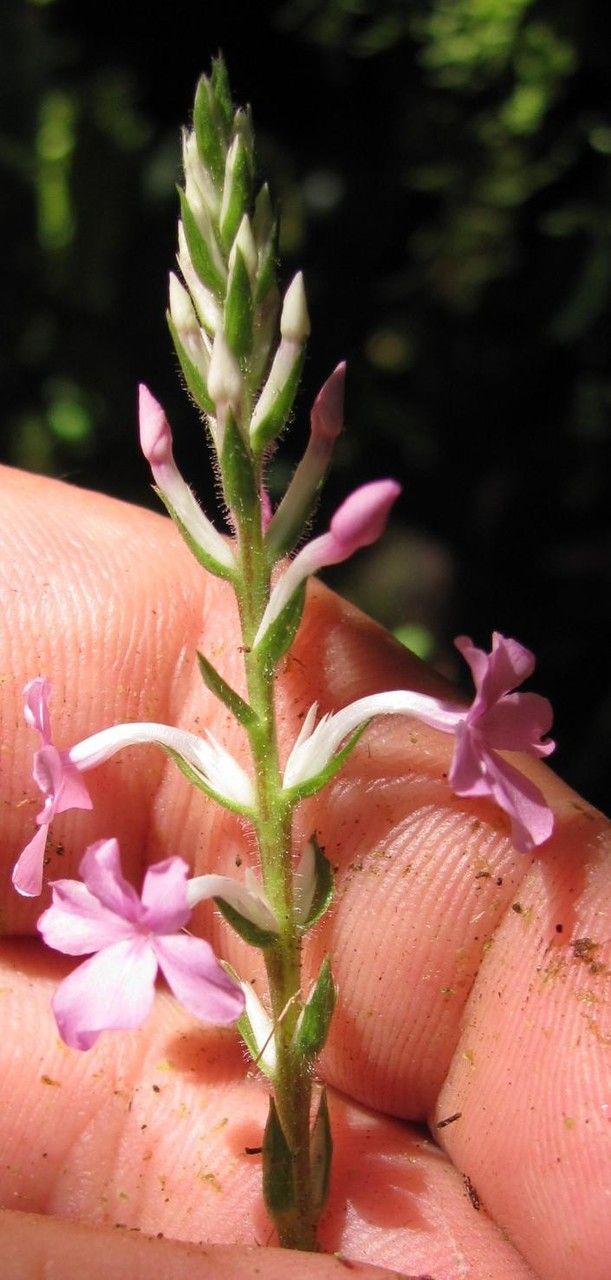
Unlocking Nature’s Secrets: Propagating the Striking Aphelandra tonduzii
The Aphelandra tonduzii, with its vibrant foliage and unique, intricate patterns, is a showstopper in any plant collection. But did you know that you can share this beauty by easily propagating it yourself? This captivating plant, also known as the “Zebra Plant,” is surprisingly easy to propagate, allowing you to expand your collection or gift a friend a piece of this tropical wonder.
Harnessing the Power of Stem Cuttings:
The most popular and successful method for propagating Aphelandra tonduzii is through stem cuttings. This technique is simple, affordable, and yields satisfying results. Here’s what you’ll need to get started:
- Sharp, clean knife or pruning shears: These tools are crucial for making clean cuts to prevent damaging the plant.
- Healthy Aphelandra tonduzii stem: Select a stem that is at least 4-6 inches long, free from pests and diseases, and contains several leaf nodes.
- Rooting hormone (optional): While not essential, rooting hormone can speed up the root development process.
- Potting mix: Use a well-draining mix designed for cuttings or seedlings.
- Clear plastic wrap or a humidity dome: This helps to create a humid environment that encourages root growth.
The Propagation Process:
- Prepare the Cutting: Using your clean knife or shears, make a sharp, angled cut just below a leaf node. Remove any leaves that will be submerged in the soil.
- Apply Rooting Hormone (optional): Dip the cut end of the stem into rooting hormone to encourage root development.
- Potting the Cutting: Fill a small pot with the potting mix and create a hole in the center. Gently insert the cutting into the hole, ensuring that the lower node is buried in the soil.
- Create a Humid Environment: Cover the pot with a clear plastic wrap or humidity dome to retain moisture and create a warm, humid environment.
- Place in Indirect Light: Position the pot in a bright, indirect light location. Avoid direct sunlight, as it can scorch the delicate cuttings.
- Maintain Moisture: Keep the soil consistently moist, but not soggy, by misting regularly or watering sparingly.
- Patience is Key: It typically takes around 4-6 weeks for roots to develop. Be patient and avoid disturbing the cutting during this time.
- Transplanting: Once roots have formed, gradually acclimate the new plant to its environment, removing the plastic wrap or dome, and increasing light exposure. After a few weeks, you can transplant the new Aphelandra tonduzii into a larger pot with fresh potting mix.
Tips for Success:
- Timing: The best time for propagation is during the spring and summer, when the plant is actively growing.
- Sanitation: Always sterilize your tools before and after use to prevent disease transmission.
- Environment: A consistent temperature of around 70-75°F is ideal for root development.
- Patience and Observation: Watch the stem for signs of new growth, which indicates successful rooting.
Conclusion:
Propagating Aphelandra tonduzii is an exciting and rewarding experience. With a little attention and care, you can easily create new plants, expanding your collection or sharing this colorful species with others. By following these simple steps and a bit of patience, you can unearth the magic of propagation and enjoy the striking beauty of the Aphelandra tonduzii for years to come.