
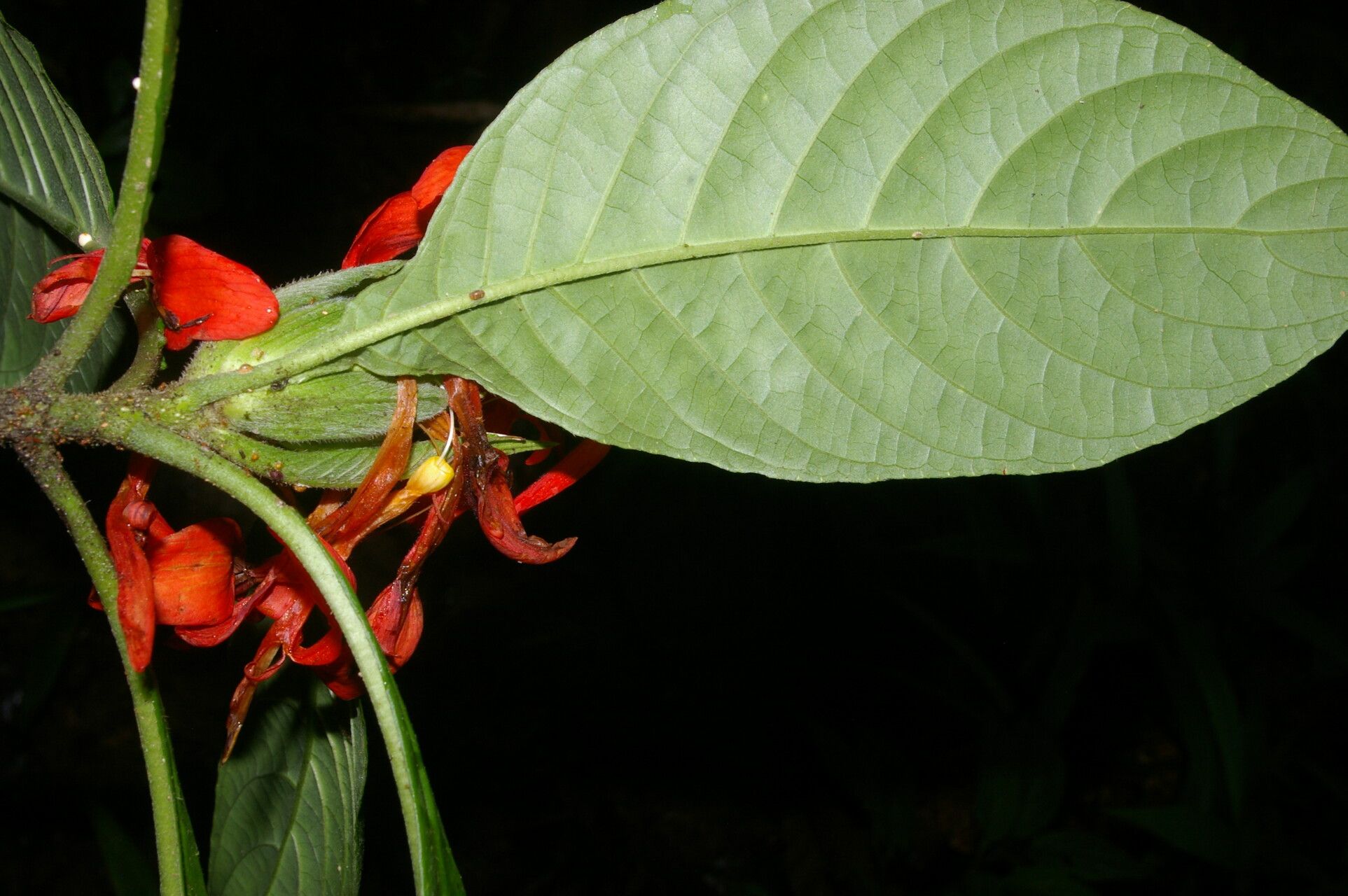
Propagating the Zebra Plant: A Guide to Cultivating Aphelandra tridentata
Aphelandra tridentata, better known as the Zebra Plant, is a striking houseplant prized for its dramatically veined, lance-shaped leaves and vibrant, bract-enclosed flowers. Its striking foliage, reminiscent of a zebra’s stripes, makes it a highly sought-after addition to any indoor plant collection. However, propagating this beauty presents unique challenges, rewarding the dedicated grower with a sense of achievement. This article explores various propagation methods, outlining their successes and difficulties.
Seed Germination:
Currently, there are no known reliable methods for seed germination propagation of Aphelandra tridentata. While the plant does produce seeds, their germination rate is extremely low, and successful propagation from seed is rarely reported in home or commercial settings. The challenges likely stem from complex germination requirements and a high susceptibility to fungal diseases in the seedling stage.
Cuttings:
Cuttings represent the most successful and widely used method for propagating Aphelandra tridentata.
Challenges: The main challenge lies in achieving successful rooting. Aphelandra cuttings can be prone to rotting if not given the appropriate conditions.
Practical Tips: Take stem cuttings, approximately 4-6 inches long, from healthy, actively growing shoots. Remove lower leaves to prevent rotting and dipping the cut ends of cuttings in rooting hormone significantly increases success rate. Plant in a well-draining propagation mix (e.g., perlite and peat moss) and maintain high humidity (using a propagator or plastic bag) and warm temperatures (around 70-75°F). Mist regularly to keep the medium moist, but not soggy. Rooting typically takes 4-6 weeks.
Rewards: This method allows for the rapid multiplication of desirable cultivars, preserving their unique characteristics. It’s a relatively straightforward technique once the necessary conditions are met.
Division:
Division is a viable method, but it is limited by the mature size of the plant.
Challenges: Aphelandra tridentata doesn’t readily lend itself to division. The root system is relatively compact and fragile. Aggressive division can severely damage the plant, reducing chances of survival.
Practical Tips: Division is best attempted during the repotting process when the plant is already disturbed. Carefully separate the root ball into smaller sections, ensuring each division has sufficient roots and several stems. Plant each division in its own pot with fresh, well-draining potting mix.
Rewards: Division produces mature plants more quickly than cuttings, allowing for faster establishment. It bypasses the rooting phase required for cuttings. However, its applicability is limited to larger, established plants.
Tissue Culture:
Tissue culture offers the potential for large-scale propagation and disease-free plants.
Challenges: This method requires specialized equipment, sterile conditions, and considerable expertise in plant tissue culture techniques. It is not a feasible option for the average home grower.
Practical Tips: This requires a controlled laboratory environment with specialized media, growth regulators, and sterile techniques.
Rewards: Tissue culture offers a high success rate, rapid propagation, and the ability to produce numerous identical plants from a small sample. It’s ideal for commercial propagation, ensuring consistent quality and rapid scaling of production.
Conclusion:
Propagating Aphelandra tridentata presents a unique set of challenges across different methods. While seed germination is unreliable, cuttings provide the most accessible and effective method for the home grower. Division offers a faster, albeit limited, alternative for larger plants. Tissue culture remains the domain of professionals for large-scale propagation. The rewards, however, are worth the effort. Successfully propagating this stunning plant, knowing you’ve nurtured a new life from a cutting or division, provides a profound sense of accomplishment that is unmatched by simply purchasing a mature plant. The commitment and the challenges faced only add to the unique satisfaction of cultivating this beautiful Zebra Plant. So, aspiring propagators, don’t be discouraged by the initial hurdles; persistence and attention to detail will ultimately lead to success.