
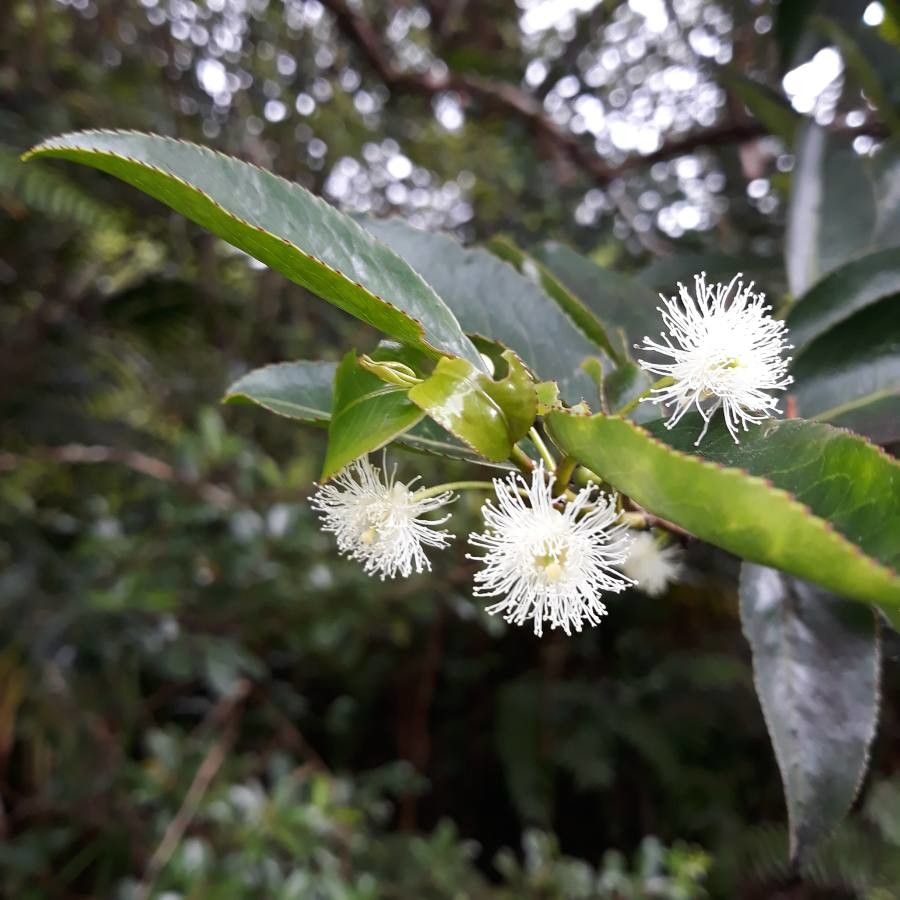
Propagating the Rattlebox: Unveiling the Secrets of Aphloia theiformis
Aphloia theiformis, commonly known as the Rattlebox, is a captivating shrub prized for its glossy, leathery leaves and attractive, small white flowers. Its relatively fast growth rate, tolerance of a range of conditions, and the charming rattle of its seed pods contribute to its growing popularity among gardeners. However, propagating this intriguing plant presents some unique challenges. This article will explore various propagation methods, highlighting their successes and challenges.
Seed Germination:
Currently, there are no known reliable methods for seed germination propagation of Aphloia theiformis. While seeds may be produced, their viability and germination rate appear to be exceptionally low, making this a largely impractical method for most gardeners. Further research is needed to determine if specific pre-treatment techniques (like scarification or stratification) could improve germination success.
Cuttings:
Cuttings offer a more promising approach to propagating Aphloia theiformis.
Challenges: Rooting success can be variable. The relatively slow rooting rate requires patience and a suitable rooting environment.
Practical Tips: Semi-hardwood cuttings taken in late summer or early autumn generally yield the best results. Use a sharp blade to take 8-10cm cuttings, removing lower leaves to prevent rot. Dip the cuttings in rooting hormone powder and plant them in a well-draining propagation mix (e.g., a mix of perlite and peat moss). Maintain high humidity using a propagator or plastic bag, and ensure consistent moisture without overwatering. Bottom heat will also improve rooting success.
Rewards: Cuttings produce genetically identical plants, preserving desirable traits, and are a relatively straightforward method once mastered. This method is ideal for medium-scale propagation.
Division:
Division is not a feasible propagation method for Aphloia theiformis. The plant doesn’t readily form offsets or suckers that can be easily separated and replanted.
Tissue Culture:
Tissue culture offers the potential for large-scale propagation of Aphloia theiformis, bypassing the challenges associated with seed germination and cuttings.
Challenges: Tissue culture requires specialized equipment, a sterile environment, and a thorough understanding of plant tissue culture techniques. This method also necessitates significant investment in both time and resources.
Practical Tips: Successful tissue culture protocols for Aphloia theiformis need to be developed and optimized. This would involve experimentation with different media formulations, growth regulators, and sterilization techniques.
Rewards: Tissue culture allows for the rapid clonal propagation of a large number of plants from a small amount of starting material. It offers the most potential for commercial-scale production.
Conclusion:
Propagating Aphloia theiformis presents various challenges. While seed germination is currently unreliable, cuttings offer a viable, albeit somewhat slow and variable, method for the home gardener. Tissue culture shows the most promise for large-scale production but requires specialist knowledge and resources. The satisfaction derived from successfully propagating this unique plant, overcoming the obstacles inherent in each method, is ultimately rewarding. The perseverance required, coupled with the beauty of the resulting plants, makes Aphloia theiformis propagation a worthwhile endeavor for the passionate plant enthusiast. Don’t be discouraged by initial setbacks – experiment, learn from your mistakes, and enjoy the journey as you bring more of these fascinating Rattleboxes into the world.