
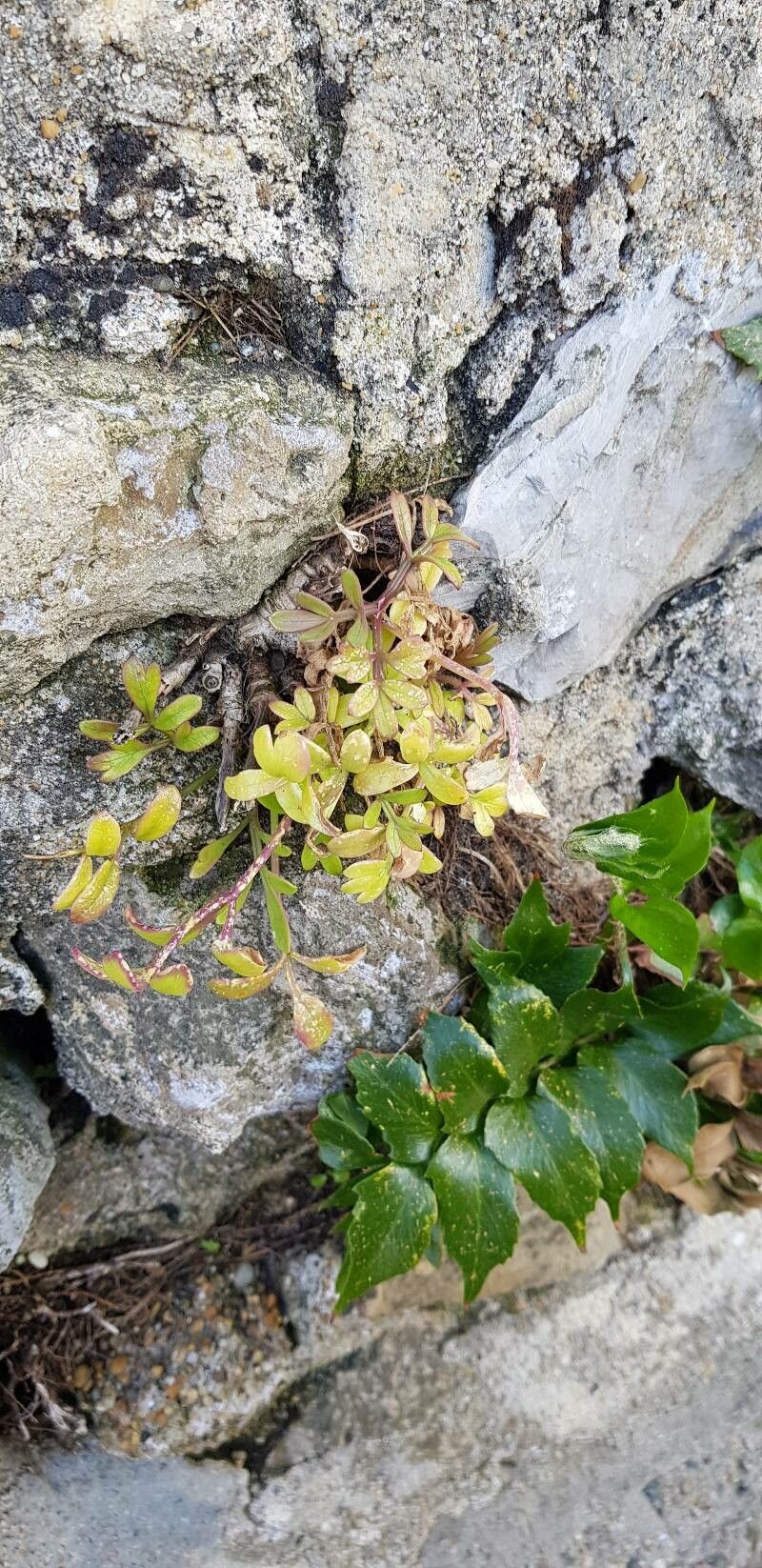
Unlocking the Secrets of Sea Celery: A Guide to Propagating Apium prostratum
Sea Celery, or Apium prostratum, isn’t your typical garden variety plant. This fascinating Australian native, with its succulent, glossy leaves and delicate white flowers, thrives in salty coastal environments. Imagine the tang of the ocean meeting the fresh, herbal aroma of celery – that’s the essence of Apium prostratum.
While relatively unknown to many, this versatile plant deserves a place in more gardens, particularly those in coastal regions. It’s not only visually appealing and edible (adding a unique flavour punch to salads and seafood dishes), it’s also incredibly resilient, tolerating salt spray, strong winds, and poor soil conditions.
Intrigued? Then you’ll be happy to know that propagating Apium prostratum can be a rewarding experience, even for novice gardeners. Let’s explore the two primary methods:
1. Propagating from Seed:
- Harvesting: During the warmer months, look for the tiny, brown seeds nestled within the plant’s umbels (umbrella-like flower clusters). Collect the seeds once they are dry and easily separated from the plant.
- Sowing: Sea Celery seeds benefit from a period of cold stratification to break dormancy. You can mimic this natural process by storing the seeds in the fridge for a few weeks before sowing. Once ready, sow them on the surface of a seed-raising mix, keeping them consistently moist but not waterlogged.
- Patience is Key: Germination can be a bit unpredictable, sometimes taking several weeks or even months. Be patient, and don’t lose hope if you don’t see results immediately.
2. Propagating from Cuttings:
- Timing is Everything: Spring and early autumn are ideal times to take cuttings as the plant is actively growing.
- Select Healthy Stems: Choose vigorous stems that are free from damage or disease. Cuttings should be approximately 10-15cm long.
- Prepare the Cuttings: Remove the lower leaves from the cutting, leaving only a few at the top.
- Encourage Rooting: While Apium prostratum cuttings can root in water, using a well-draining potting mix is often more successful. Dip the cut end in rooting hormone (optional) and plant it firmly in a pot, ensuring the leaf nodes (where leaves were removed) are below the soil surface.
- Creating Ideal Conditions: Place the cutting in a warm, bright location, but out of direct sunlight. Keep the soil consistently moist but avoid overwatering.
Caring for your New Sea Celery Plants:
Once your seedlings or cuttings have developed a strong root system and new growth, it’s time to transplant them to larger pots or directly into the garden. Choose a sunny or partially shaded spot with well-drained soil.
- Watering: While drought-tolerant once established, consistent watering is essential for young plants, especially during dry periods.
- Feeding: Sea Celery benefits from regular feeding during the growing season. Use a balanced, slow-release fertilizer or dilute liquid seaweed fertilizer.
- Pests and Diseases: This resilient plant is generally pest-free but keep an eye out for common garden pests and treat accordingly.
With a little patience and care, you can successfully propagate your own Apium prostratum and relish in the reward of growing this unique and flavourful plant.