
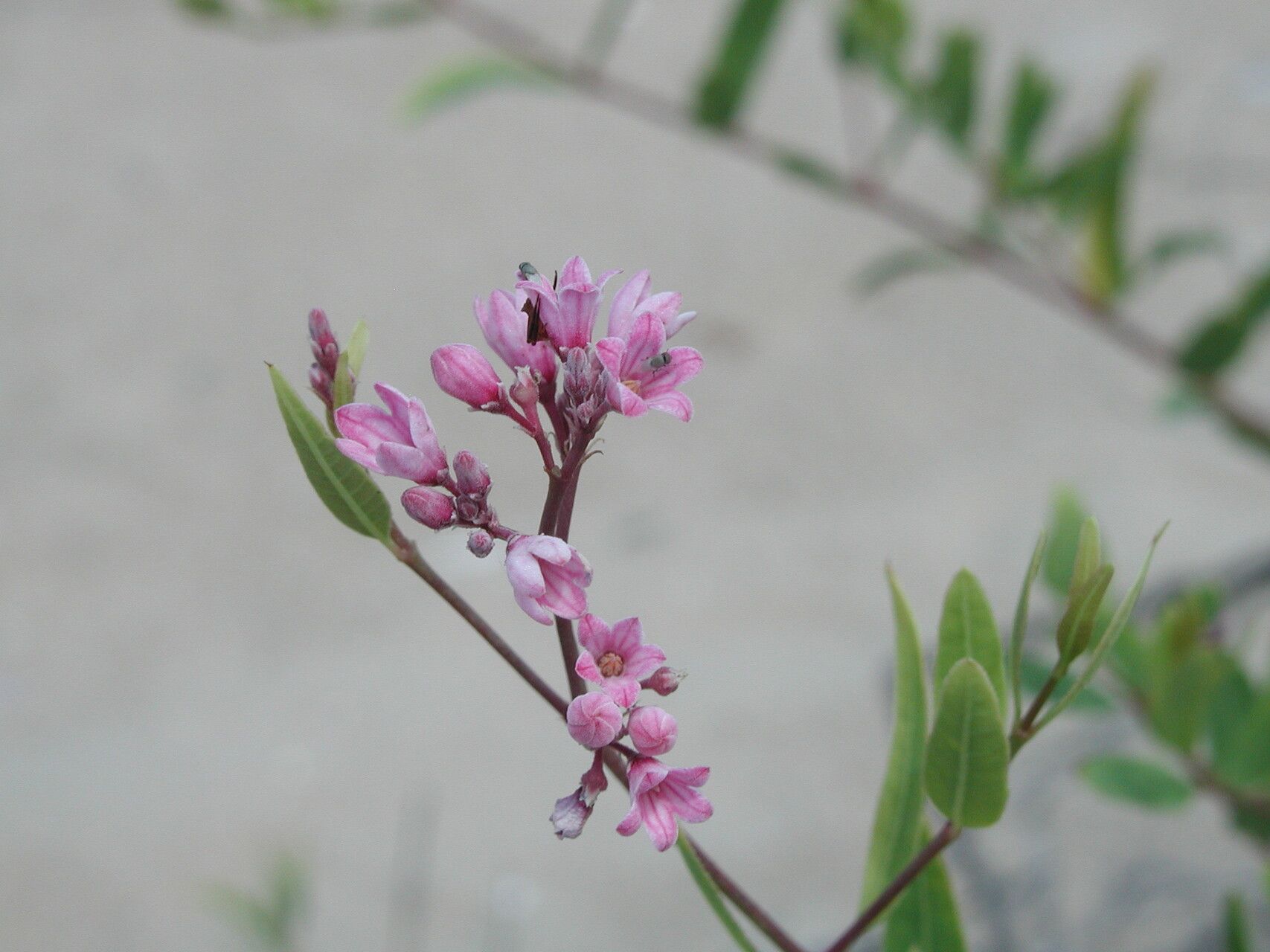
Unveiling the Secrets of Propagating Dogbane Hemp: A Guide to Multiplying Apocynum venetum
Apocynum venetum, commonly known as dogbane hemp or giant dogbane, is a fascinating plant with a rich history of medicinal and textile uses. This perennial boasts delicate flowers, attractive foliage, and remarkable resilience, making it a unique addition to any garden. Intrigued? Let’s dive into the world of propagating Apocynum venetum and discover how you can multiply this captivating plant.
Harnessing the Power of Seeds: Sowing the Future
While Apocynum venetum can be a bit finicky when it comes to seed germination, success is attainable with the right approach. Follow these steps to maximize your chances:
Timing is Key: Aim to sow the seeds in late fall or early spring directly into the ground or start them indoors 6-8 weeks before the last expected frost.
Cold Stratification: For outdoor sowing, cold stratification is natural. In indoor settings, mimic this by placing the seed tray in the refrigerator for 4-6 weeks before moving it to a warm location.
Light Requirements: Apocynum venetum seeds require light to germinate. Surface sow them and press them gently into the soil, ensuring good contact but avoiding burying them too deep.
- Patience is a Virtue: Germination can be erratic, with some seeds sprouting quickly and others taking their time. Be patient and maintain consistent moisture.
Dividing and Conquering: The Art of Division
For a more predictable approach, division offers a reliable method for propagating Apocynum venetum. This technique involves separating mature plants to create new ones. Here’s how:
Ideal Timing: Early spring or fall, when the plant is dormant or just starting to show new growth, is the best time for division.
Careful Excavation: Gently dig around the plant, ensuring you unearth the entire root system with minimal damage.
Sharp Division: Use a sharp, clean knife or garden shears to divide the plant into sections. Ensure each section has a healthy portion of roots and shoots.
- Replanting: Choose a sunny location with well-drained soil and replant the divisions at the same depth they were growing originally. Water thoroughly.
Taking Root: The Wonders of Root Cuttings
An often-overlooked method, root cuttings present another viable way to propagate Apocynum venetum. This technique takes advantage of the plant’s ability to regenerate from root segments:
Timing Matters: Similar to division, early spring or fall is best for root cuttings.
Root Selection: Carefully expose a portion of the plant’s roots and select healthy, pencil-thick segments.
Creating Cuttings: Using a sharp knife or shears, cut 2-3 inch long sections. Make sure to distinguish the top from the bottom (the bottom cut should be angled).
Promoting Growth: Plant the cuttings vertically in a well-draining medium, ensuring the top end is level with the soil surface.
- Patience and Care: Keep the medium consistently moist but not waterlogged. Root development takes time, so be patient and provide consistent care.
Reaping the Rewards: Caring for Your New Plants
Whichever method you choose, remember to provide your newly propagated Apocynum venetum plants with proper care. Adequate sunlight, well-drained soil, and consistent watering are key to their success. With a bit of patience and attention, you’ll soon be rewarded with a thriving collection of these fascinating plants.
So, embrace the challenge, experiment with these methods, and unlock the secrets of propagating Apocynum venetum. With a little effort, you can successfully multiply this unique plant and enjoy its beauty and benefits for years to come.