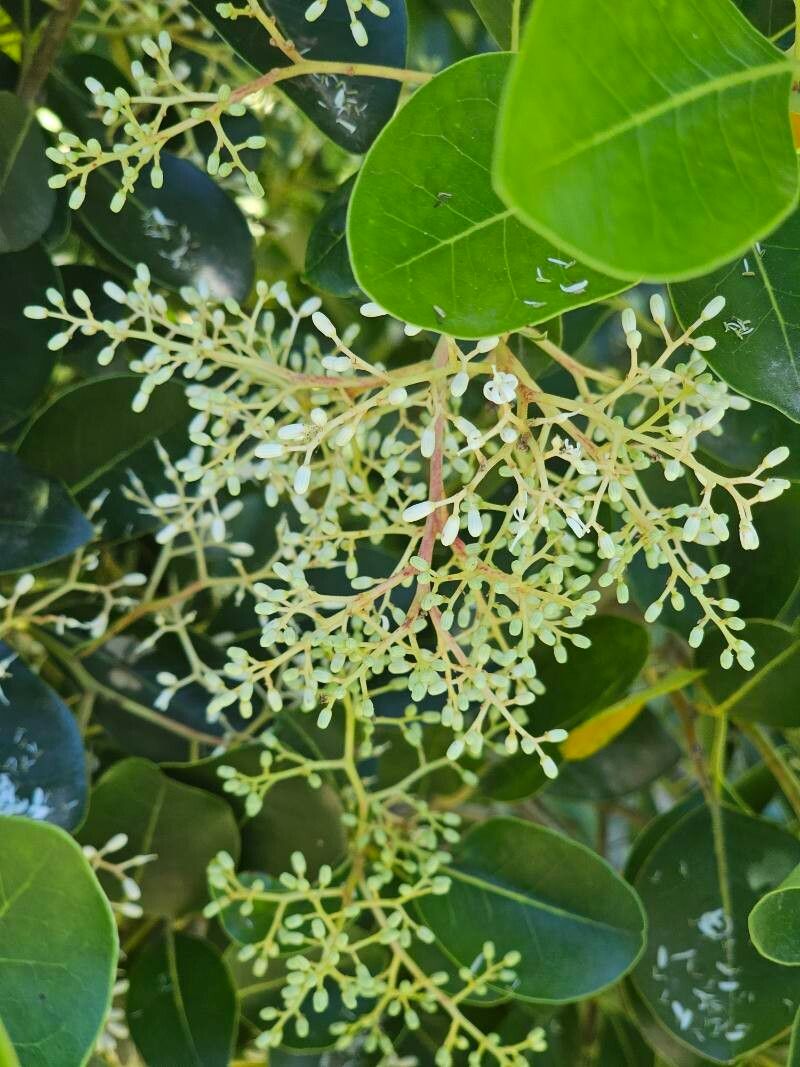
Propagating Apodytes dimidiata: A Gardener’s Guide to a Unique Southern African Tree
Introduction
Apodytes dimidiata, also known as the White Pear or Half-Pear, is a medium-sized tree native to southern Africa, prized for its attractive foliage and potential use in landscaping. Its evergreen nature, somewhat glossy leaves, and relatively manageable size make it a desirable addition to gardens in suitable climates. While not exceptionally popular amongst the wider gardening community, its unique characteristics, including its ability to tolerate some frost, attract those seeking less common additions to their landscapes. However, propagating Apodytes dimidiata presents distinct challenges, requiring a nuanced understanding of its propagation needs. This article explores various methods, highlighting their viability and offering practical advice.
Seed Germination:
Currently, there are no known reliable methods for seed germination propagation of Apodytes dimidiata. While the plant produces seeds, their germination rate is reportedly extremely low, and successful germination under controlled conditions has not been widely documented. Further research into seed pretreatment techniques might be necessary to unlock the potential of seed propagation.
Cuttings:
The propagation of Apodytes dimidiata via cuttings shows more promise than seed germination. Semi-hardwood cuttings, taken during late summer or early autumn, appear to be the most viable option.
Challenges: Root formation can be slow and inconsistent. The success rate depends heavily on the use of appropriate rooting hormones (e.g., IBA) and maintaining consistent humidity and temperature within a propagation environment (e.g., mist propagation system). Fungal diseases can also be a problem, necessitating careful sanitation and the use of fungicides.
Practical Tips: Cuttings should be approximately 10-15cm long, with leaves removed from the bottom half. Dip the cut ends in rooting hormone before planting in a well-draining propagation mix (e.g., perlite and vermiculite). Maintain high humidity by covering the cuttings with a clear plastic dome or bag. Provide indirect sunlight and consistent moisture.
Rewards: Successful rooting of cuttings provides a relatively quick way to propagate the plant, offering a reliable method for increasing stock without the uncertainties of seed germination.
Division:
Division is not a feasible method for propagating Apodytes dimidiata. This tree has a distinct taproot system, making the division of established plants impractical and highly damaging.
Tissue Culture:
Tissue culture offers a potential solution for large-scale propagation of Apodytes dimidiata, although this method is generally more complex and costly than cuttings.
Challenges: Establishing a sterile protocol suitable for Apodytes dimidiata would require significant research and expertise. The optimal media composition, growth regulators, and sterilization techniques are unknown.
Practical Tips: Expert guidance from a tissue culture laboratory is essential. Research into suitable media and plant growth regulator combinations would be the first step.
Rewards: Successful establishment of a tissue culture protocol would allow for the mass production of genetically uniform plants, enabling the propagation of desirable cultivars at a large scale.
Conclusion:
Propagating Apodytes dimidiata presents significant challenges. While seed germination has proven unreliable, cuttings offer a more promising approach, albeit requiring patience and well-executed techniques. Division is not feasible, and tissue culture presents a potential but complex alternative. The rewards for successful propagation, however, are significant: the ability to cultivate this unique and beautiful tree in your garden. The journey, though arduous, offers considerable satisfaction. Persistence and attention to detail are key to success. For beginner propagators, starting with cuttings under controlled conditions is recommended. With dedication and careful observation, you can achieve the rewarding experience of cultivating your own Apodytes dimidiata.