
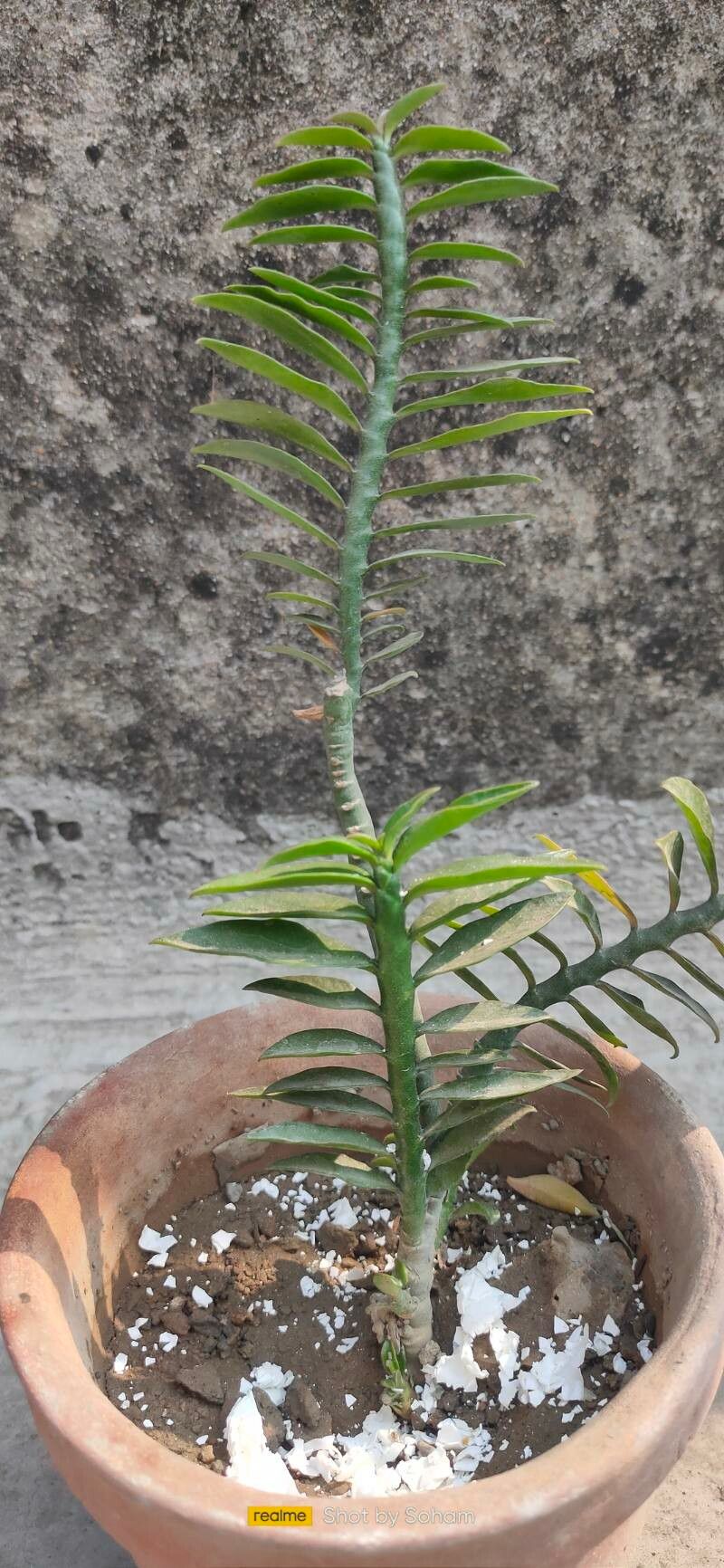
Tiny but Mighty: The Delicate Art of Propagating Appendicula reflexa
The world of orchids is vast and captivating, with each species offering unique beauty and challenges. One such enchanting orchid is Appendicula reflexa, a miniature marvel that’s sure to charm any orchid enthusiast. Its tiny, delicate flowers, often showcasing vibrant hues of yellow, orange, or red, are a testament to its endearing charm. But beyond its aesthetic allure, Appendicula reflexa also presents an exciting opportunity to explore the fascinating world of orchid propagation.
A Glimpse at the Mini-Orchid:
Appendicula reflexa is a small, epiphytic orchid, meaning it naturally grows on other plants like trees. It thrives in warm, humid environments, often found in the rainforests of Southeast Asia. This miniature orchid is known for its cascading growth habit, producing numerous small, pendant flower stalks that add a touch of elegance to any space.
Understanding the Science of Propagation:
Propagation is the process of creating new plants from existing ones. For Appendicula reflexa, there are two popular methods:
- Division: This method involves carefully separating the plant into multiple sections, each with its own root system and leaves. Each section is then potted individually to develop into a new, independent plant. Division is ideal for mature Appendicula reflexa plants that have formed multiple growth points.
- Keiki: These are small, baby plants that develop on the main plant stalks. They typically form from the nodes, where leaves emerge. Once a keiki develops its own root system, it can be carefully separated and potted. Keiki propagation is a rewarding experience as you witness the emergence of a new life from the parent plant.
Propagation Techniques:
1. Division:
- Timing: The best time for division is during the growth period, usually in spring or early summer, when the plant is actively growing.
- Procedure:
- Carefully remove the Appendicula reflexa plant from its pot and gently loosen the growing medium.
- Locate the growth points where the roots are clustered.
- Using a sharp, sterilized blade, carefully cut the plant into sections, ensuring each section has its own root system and at least two healthy leaves.
- Pot each section individually into a well-draining orchid mix.
2. Keiki Propagation:
- Timing: Keiki formation often occurs during the spring or summer months.
- Procedure:
- Observe the plant for the presence of keiki with developed root systems.
- Once the roots are at least an inch long, carefully detach the keiki from the parent plant using a sterilized blade.
- Pot the keiki in a small pot with a well-draining orchid mix.
Care After Propagation:
- Watering: Water the newly propagated plants sparingly, allowing the potting mix to dry slightly between waterings. Avoid overwatering, which can cause root rot.
- Humidity: Maintain high humidity by misting the plants regularly or placing them in a humid environment.
- Light: Provide good indirect light, avoiding direct sunlight.
- Fertilizer: Use a balanced orchid fertilizer at half strength, once a month.
Patience is Key:
It’s important to note that Appendicula reflexa propagation takes time and patience. The newly propagated plants might take a few months to develop into mature plants and flower.
A rewarding experience:
Propagating your own Appendicula reflexa plants is an incredibly rewarding experience that connects you with the natural world. It allows you to expand your orchid collection and appreciate the resilience of these tiny botanical wonders. So, grab your gardening gloves, embrace the challenge, and embark on your own Appendicula reflexa propagation journey!