
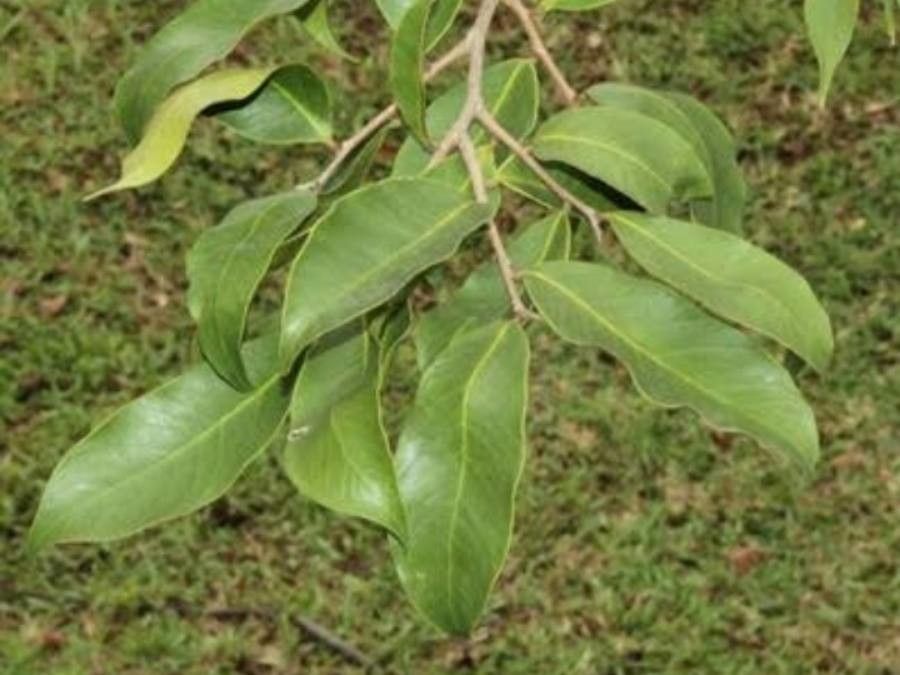
From Seed to Scent: Unveiling the Secrets of Agarwood Propagation
The captivating aroma of agarwood, a precious resin produced by the Aquilaria malaccensis tree, has captivated humans for millennia. Its use in incense, perfumes, and traditional medicine has driven a high demand, making this species critically endangered. Fortunately, the future of agarwood can be secured through responsible propagation techniques. But how exactly do we grow these fragrant trees?
A Journey from Seed to Sapling
Aquilaria malaccensis, found in Southeast Asia, possesses unique propagation characteristics. While the tree can be grown from cuttings, the most common and successful method is through seeds.
Seed Collection & Preparation: Harvesting ripe pods from mature trees is the first step. These pods contain numerous seeds that need immediate attention. The seeds are fragile and lose viability rapidly, so prompt processing is crucial. This involves removing the outer husk and cleaning the seeds before planting.
Sowing and Germination: The ideal conditions for seed germination are a warm, humid environment with adequate light. Specialized nurseries often utilize a controlled environment with a constant temperature of 25-30°C (77-86°F). Seeds are sown in a sterile medium, typically a mix of peat moss and vermiculite, which provides excellent drainage and water retention.
- Nursery Stage: Young seedlings require daily watering and protection from direct sunlight. As they mature, they are transplanted to larger pots, allowing for root development. Regular fertilization is crucial to ensure robust growth. This stage typically lasts for 6-12 months, depending on the specific climate and care provided.
Beyond the Nursery: Reaching for the Sun
Once the saplings are sufficiently strong, they are ready for field planting. The success of this transition hinges on careful site selection and preparation.
- Optimal Conditions: Aquilaria malaccensis thrives in well-drained, fertile soil with high humidity. They prefer full sun to partial shade, with temperatures ranging from 20-35°C (68-95°F).
- Site Preparation: Clearing the planting site is crucial to eliminate competing weeds. Digging deep trenches helps improve drainage and root establishment.
- Transplanting: Saplings are carefully planted in the prepared trenches, ensuring a protective spacing between each tree. Regular watering and weeding are necessary in the initial years as the young trees become established.
A Long-Term Investment: Cultivating Agarwood
The time-consuming nature of agarwood cultivation is a significant challenge. It takes approximately 10 years for a tree to produce the resin, even with the induction techniques used today. However, the benefits are worth the wait.
- Sustainable Agarwood Production: Wild harvesting has drastically impacted the dwindling populations of Aquilaria malaccensis. Propagation efforts ensure a sustainable supply of agarwood for generations to come.
- Economic Empowerment: Agarwood cultivation offers an alternative livelihood for communities in Southeast Asia, boosting local economies and supporting rural development.
- Conservation and Biodiversity: Restoring natural populations of Aquilaria malaccensis helps maintain biodiversity in the region and preserve traditional knowledge and medicinal practices.
The Future is Fragrant: A Call to Action
From seed to scent, the journey of propagating Aquilaria malaccensis requires dedication and commitment. While the process demands time and resources, the rewards are significant. By embracing sustainable cultivation practices, we can secure a future for this precious tree and ensure that its enchanting aroma continues to captivate the world. Let us work together to protect the legacy of agarwood and its rich cultural heritage for future generations.