
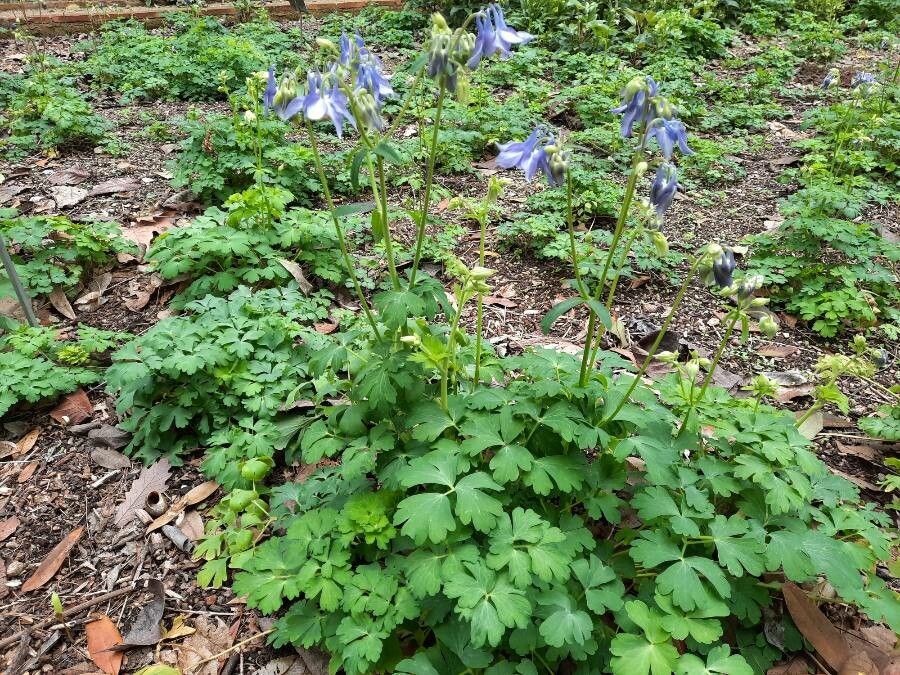
Unveiling the Secrets to Propagating Alpine Columbine (Aquilegia alpina)
The Alpine Columbine, scientifically known as Aquilegia alpina, is a sight to behold. Its vibrant blue-violet flowers, with their characteristic backward-facing spurs, bring a touch of whimsical elegance to any garden. If you’re lucky enough to have this beauty grace your space, you’ll be thrilled to know that propagating it isn’t as daunting as you might think! Let’s dive into the enchanting world of Alpine Columbine propagation and explore the methods that will help you expand your floral haven.
Method 1: Seed Starting – A Journey From Tiny Specks to Striking Blooms
Timing is Key: The ideal time to sow Alpine Columbine seeds is in the spring or fall. Spring sowing allows plants to establish themselves before the summer heat, while fall sowing mimics their natural cycle.
Sowing the Seeds: Choose a well-draining seed starting mix and scatter the seeds evenly on the surface. Gently press them down but avoid burying them deeply. Mist the soil with water and keep it consistently moist but not waterlogged.
Patience is a Virtue: Germination can take anywhere from 2 to 4 weeks. Once the seedlings emerge and have a couple of sets of true leaves, you can thin them out, providing ample space for growth.
- Transplanting Time: When the seedlings are large enough to handle, carefully transplant them into individual pots or directly into your garden. Choose a location with partial shade and well-drained soil.
Method 2: Division – Multiplying Your Columbine Clumps
The Right Time: Divide established Alpine Columbine plants in early spring or late summer when the soil is workable.
Digging Deep: Carefully dig around the clump of columbine you wish to divide, ensuring you don’t damage the roots.
Division Delicacy: Gently tease apart the clump into smaller sections, each containing a good amount of roots and shoots.
- Replanting Time: Replant the divisions at the same depth they were originally growing. Water them well and provide some shade during the initial weeks to minimize stress.
Method 3: Basal Cuttings – A Less Conventional but Effective Approach
Springtime Snipping: Take basal cuttings in spring when the new growth is just starting to emerge.
Making the Cut: Locate new shoots at the base of the plant and, using a clean sharp knife or pruners, cut them away at the point where they join the main stem. Each cutting should be around 3-4 inches long.
Rooting Hormone (Optional): Dipping the cut end in a rooting hormone can encourage faster root development.
Planting the Cuttings: Insert the cuttings into a moist, well-draining rooting mix, burying about a third of their length. Keep the cuttings consistently moist and in a warm, brightly lit location, out of direct sunlight.
- Transplantation: After several weeks, once roots have developed, you can transplant the rooted cuttings into individual pots or into your garden.
A Legacy of Beauty
Propagating Alpine Columbine might require a touch of patience, but the rewards are immeasurable. Imagine a garden adorned with these exquisite blooms, each one a testament to your efforts. Whether you choose to start from seed, divide existing clumps, or experiment with basal cuttings, you’re embarking on a journey that will bring beauty and delight for years to come.