
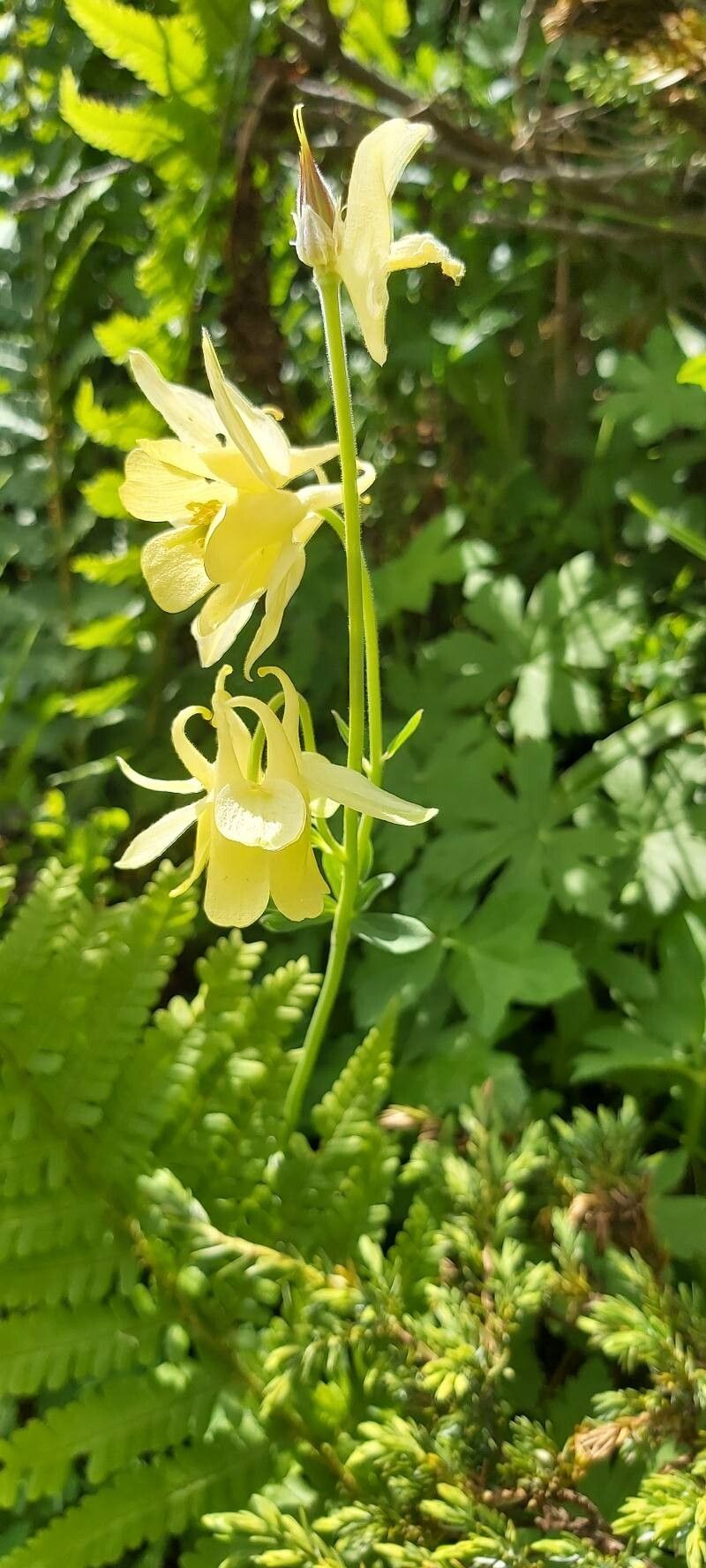
Propagating Aquilegia aurea: Cultivating the Golden Columbine
Introduction:
Aquilegia aurea, commonly known as the Golden Columbine, is a captivating perennial prized for its delicate, golden-yellow flowers and intricate foliage. Native to mountainous regions of western North America, this species holds a special place in the hearts of gardeners for its unique beauty and adaptability to alpine-like conditions. Its relatively compact size and vibrant blooms make it a desirable addition to rock gardens, borders, and woodland settings. However, propagating Aquilegia aurea can present unique challenges due to its specific environmental needs and potentially recalcitrant nature. This article explores various propagation methods, outlining the challenges and rewards of each.
Seed Germination:
Seed germination is a viable method for propagating Aquilegia aurea, but it presents several challenges. The seeds possess a degree of dormancy and often require stratification—a period of cold, moist storage—to break dormancy and initiate germination.
Challenges: Low germination rates are common without proper stratification. This process mimics the natural winter conditions the seeds experience in their native habitat. Seedlings can also be susceptible to damping-off (a fungal disease), especially in overly moist conditions.
Practical Tips: Collect seeds as soon as the seedpods turn brown but before they fully dehisce (split open). Stratify seeds by mixing them with moist vermiculite or peat moss and storing them in a sealed container in a refrigerator at 4°C (39°F) for 6-8 weeks. Sow seeds in a well-drained seed-starting mix after stratification, ensuring good ventilation and avoiding overwatering. Consider using a fungicide to prevent damping-off.
Rewards: Seed propagation offers the greatest potential for genetic diversity, resulting in a wider range of plant variations. It also allows for large-scale propagation, making it an economically viable method for nurseries or those wishing to establish many plants.
Cuttings:
Currently, there are no known reliable methods for propagating Aquilegia aurea from cuttings. Columbines generally do not root readily from cuttings.
Division:
Division is a relatively straightforward method for propagating established Aquilegia aurea plants.
Challenges: This method is only suitable for mature plants with well-established root systems. Dividing too early can weaken or even kill the plant. Improper handling can damage the roots, impacting the success of the division.
Practical Tips: Divide plants in spring or early autumn after flowering using a sharp, clean spade or knife. Ensure each division contains sufficient roots and several healthy shoots. Replant divisions immediately in well-prepared soil with adequate moisture.
Rewards: Division provides a relatively quick and efficient way to increase the number of plants, preserving the genetic characteristics of the parent plant. It’s also a less technically demanding method compared to seed germination or tissue culture.
Tissue Culture:
Tissue culture offers the potential for large-scale propagation of Aquilegia aurea under sterile conditions. While technically feasible, it’s a specialized technique requiring specific expertise and equipment.
Challenges: Establishing a sterile environment and maintaining aseptic conditions are critical to prevent contamination by fungi and bacteria. Developing appropriate growth media and hormone regimes for optimal shoot multiplication and root formation can be complex and time-consuming. Requires specialized equipment and knowledge.
Practical Tips: This method is best left to professionals with experience in plant tissue culture.
Rewards: Tissue culture allows for the rapid multiplication of plants, creating many genetically identical clones from a single parent plant. It also offers potential for disease elimination and the preservation of rare or endangered genotypes.
Conclusion:
Propagating Aquilegia aurea presents unique challenges depending on the chosen method. Seed germination, while achievable with careful stratification, boasts the reward of genetic diversity but may have frustratingly low success rates. Division offers a simpler, though limited, method for established plants. Cutting propagation and tissue culture are less suitable or require specialized expertise.
The satisfaction of successfully cultivating this exquisite plant, however, is immense. Overcoming the inherent challenges and witnessing the emergence of delicate golden blossoms is a testament to the gardener’s dedication and perseverance. For aspiring propagators, we recommend starting with seed germination, focusing on meticulous stratification and disease prevention. For a quicker, simpler increase in plants from existing healthy specimens , division is the more accessible option. Remember patience and persistence are key components to success in cultivating this rewarding species.