
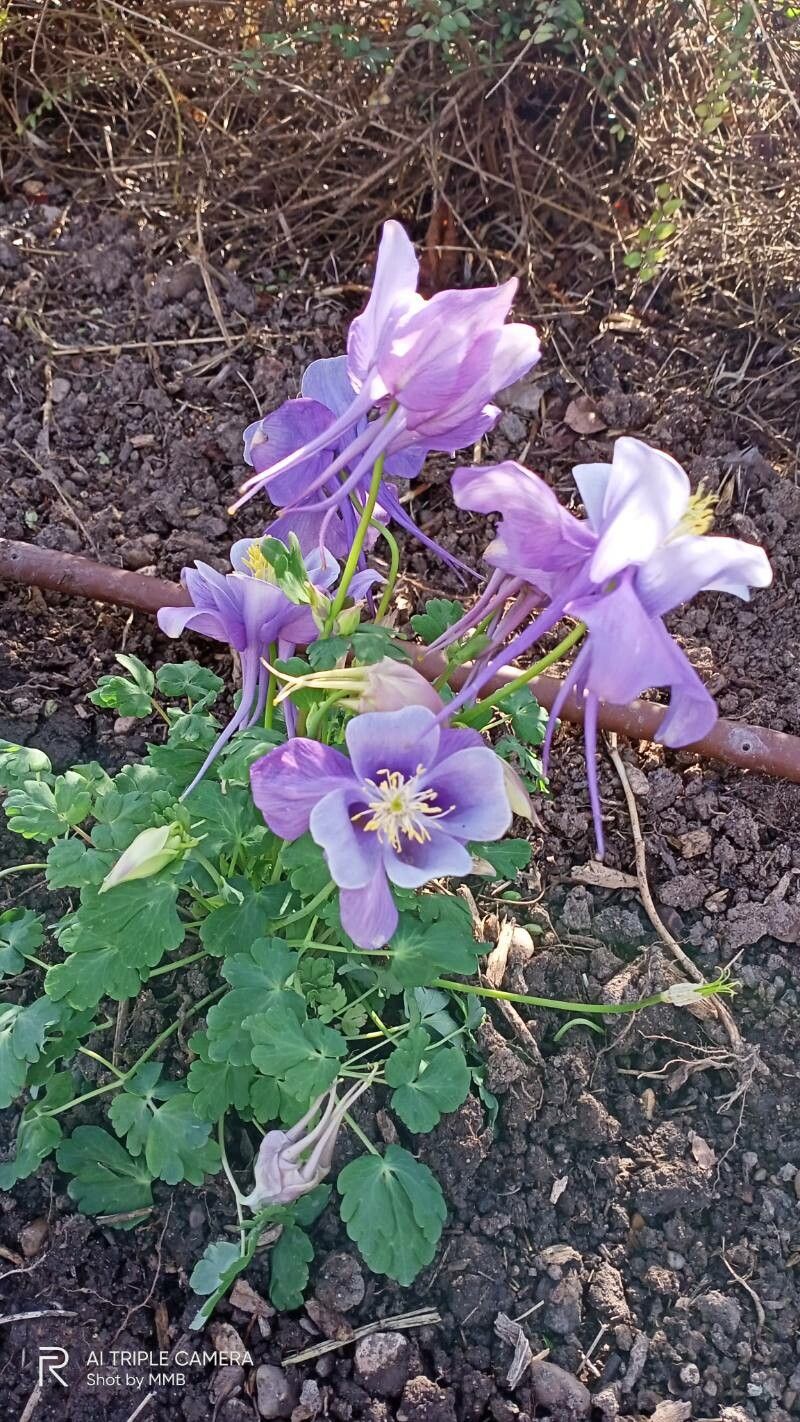
Propagating Aquilegia bernardii: A Gardener’s Challenge and Triumph
Aquilegia bernardii, also known as Bernard’s Columbine, is a captivating member of the Aquilegia genus, prized for its delicate, spurred flowers and often striking, bicolor coloration. Native to a specific, often restricted, part of its range, this columbine holds a special place in the hearts of many gardeners, sought after for its unique characteristics and the rewarding challenge of cultivating it. While its beauty is undeniable, propagating Aquilegia bernardii presents unique hurdles, making success all the more satisfying.
Seed Germination:
Seed germination is a viable method for propagating Aquilegia bernardii, but it presents several challenges. The seeds possess dormancy, necessitating stratification – a period of cold, moist treatment to break dormancy. This can be achieved by sowing seeds outdoors in the fall, allowing nature to mimic this process, or artificially by placing seeds in moist vermiculite or peat moss in a refrigerator for 6-8 weeks at temperatures between 35-40°F (1-4°C).
Sowing should be done in a well-draining seed-starting mix in a shallow container. Cover the seeds lightly, as they need light to germinate. Maintain consistent moisture but avoid overwatering, which can lead to damping-off. Germination can be slow, taking several weeks to several months, and success rates are often variable.
Rewards: Seed germination offers the opportunity to obtain genetically diverse plants, increasing the resilience and adaptability of your population. It also allows for large-scale propagation, making it a cost-effective method if successful.
Cuttings:
Currently, there are no known reliable methods for propagation of Aquilegia bernardii from cuttings. Columbines generally do not root readily from stem or leaf cuttings.
Division:
Division is a potentially viable propagation method for Aquilegia bernardii, but its success depends heavily on the age and health of the parent plant. Established plants can be carefully divided in early spring or autumn, separating the root crown into sections, each with its own set of roots and buds. Ensure each division has a good root system before replanting.
Challenges: Over-division can weaken plants, and improper handling could damage the delicate roots. The success rate of division depends significantly on the skill of the propagator and the health of the parent plant.
Rewards: Division can be faster and more reliable than seed germination, resulting in a quicker increase in the number of plants, provided the existing plant is large and healthy enough.
Tissue Culture:
While not commonly employed by home gardeners, tissue culture offers a potential method for the large-scale propagation of Aquilegia bernardii. This involves sterile culturing of plant tissues in a laboratory setting, promoting rapid multiplication.
Challenges: Tissue culture necessitates specialized equipment, a sterile environment, and expertise in laboratory techniques. It’s a complex and expensive method, generally unsuitable for the home propagator.
Rewards: Tissue culture provides the potential for rapid and large-scale propagation while retaining genetic uniformity. This method could be extremely valuable for conservation efforts or commercial propagation of rare cultivars.
Conclusion:
Propagating Aquilegia bernardii presents unique challenges across all methods. While seed germination offers genetic diversity but low initial success rate, division is quicker but constrained by plant health. Cuttings appear unviable, and tissue culture, although potentially effective for large-scale cloning, is generally inaccessible to home gardeners.
The satisfaction derived from successfully propagating Aquilegia bernardii, however, is immense. Overcoming the hurdles of germination or mastering the delicate art of division offers a deep sense of accomplishment. For those eager to tackle this challenge, patience, close attention to detail, and a bit of horticultural intuition are essential. Don’t be discouraged by initial setbacks; the beauty of Bernard’s Columbine waiting to reward your efforts makes the journey incredibly worthwhile.